
How To Mow A Large Lawn?
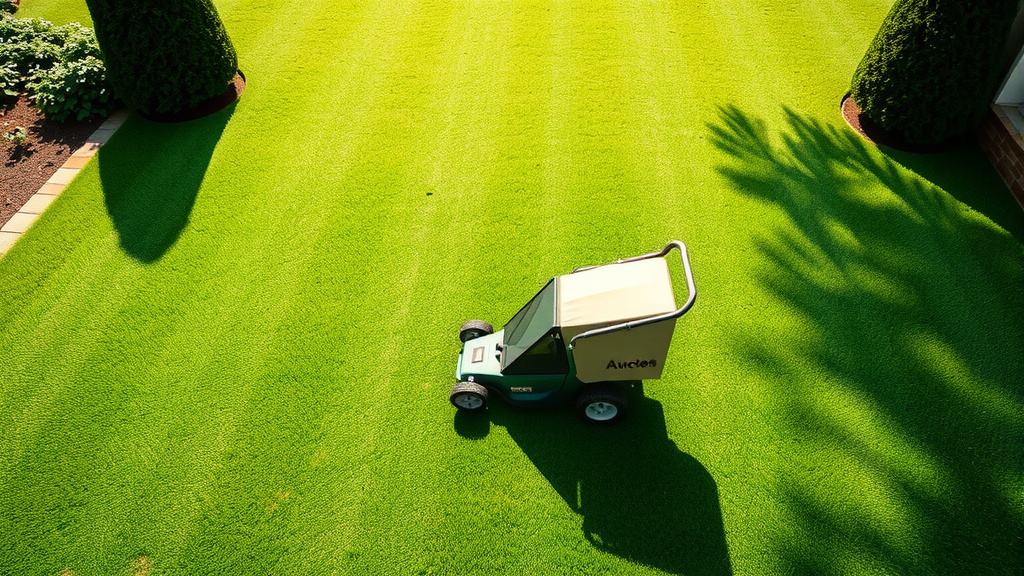
To efficiently mow a large lawn, begin by planning your route and selecting the right mower for the job, often a riding or zero-turn model.
Always clear debris first, set your cutting height appropriately, and use overlapping patterns for a uniform and healthy finish on your large lawn.
- Choose the right mower: riding, zero-turn, or even robotic for extensive areas.
- Plan your mowing pattern strategically to save time and fuel.
- Always prepare your lawn by clearing obstacles before starting.
- Adjust your mower’s cutting height to promote healthier grass growth.
- Maintain your equipment for peak performance and safety.
How To Mow A Large Lawn?
Mowing a large lawn efficiently means choosing the right equipment and adopting smart strategies to save time and effort. It’s about working smarter, not harder, to achieve a beautiful yard.
Defining Your “Large” Lawn
What makes a lawn “large” anyway? For most, it’s anything over half an acre, extending up to several acres. This size means a walk-behind mower might turn into an all-day chore, making efficiency crucial.
Understanding your lawn’s specific characteristics, like its shape, terrain, and obstacles, helps you choose the best approach. Every big lawn is unique, demanding a tailored plan for optimal mowing success.
Selecting the Best Mower for Big Yards
Choosing the right mower is your first, and perhaps most important, decision. Think of it as picking the perfect tool for a big project; the wrong one makes everything harder. Your choice affects both your time and energy levels.
We found that many homeowners with larger properties invest in equipment designed for scale. This might involve stepping up from a standard push mower to something more substantial. Consider your lawn’s size, budget, and personal comfort when deciding.
Comparing Mower Types
Different mowers offer distinct advantages for large lawns. Here’s a quick overview of popular choices that can help you mow a large lawn with greater ease and effectiveness.
| Mower Type | Best For | Pros | Cons |
|---|---|---|---|
| Riding Mower | 1/2 acre to 3+ acres | Comfortable, covers ground quickly | Less agile, larger turning radius |
| Zero-Turn Mower | 1 acre to 5+ acres | Highly agile, fast, precise cuts | Higher cost, takes practice to master |
| Robotic Mower | Up to 1-2 acres (specific models) | Autonomous, quiet, continuous mulching | Initial setup, battery limits, not for all terrain |
Crucial Pre-Mowing Steps
Before you even start the engine, a few simple steps can prevent headaches and save time later. Think of it as preparing your stage for a seamless performance. This preparation is key to safety and efficiency.
Clear the Deck First
Walk your entire lawn and remove any debris that could damage your mower or become a dangerous projectile. Sticks, toys, pet waste, or even garden hoses are common culprits. This quick scan is essential.
- [ ] Clear all debris: sticks, toys, rocks.
- [ ] Check your fuel or battery charge level.
- [ ] Inspect blades for sharpness and damage.
- [ ] Adjust mower deck to desired height setting.
- [ ] Wear appropriate safety gear (gloves, eyewear).
Mower Tune-Up Quick Check
A well-maintained mower works better and lasts longer. Before each mow, check fuel levels, tire pressure, and ensure your blades are sharp. Dull blades tear grass, inviting disease (University Extension Offices).
Sharp blades create a clean cut, promoting healthier grass growth. This small check makes a big difference in lawn health and your mower’s performance.
Mastering Efficient Mowing Patterns
When you have a vast expanse of grass, a random approach wastes time and fuel. A planned pattern helps you cover every inch systematically. It’s like drawing a map before a long journey.
Many experts say that strategic patterns drastically reduce the passes you need to make. This efficiency translates directly into less time spent on the tractor and more time enjoying your beautiful yard.
The Perimeter and Strip Method
Start by mowing one or two passes around the perimeter of your lawn. This creates a clear boundary and makes turning easier. Then, work your way up and down in parallel lines, slightly overlapping each pass.
This method ensures you don’t miss any spots and creates those satisfying, neat stripes. It’s a classic for a reason: it just works efficiently (Lawn Care Institute).
Why Vary Your Direction?
Resist the urge to mow the exact same pattern every time. Varying your mowing direction from week to week prevents your grass blades from leaning in one direction. It also prevents soil compaction in repetitive wheel tracks.
Changing it up helps your grass stand tall and promotes a more even, lush appearance. Plus, it gives your lawn a fresh look each time you mow.
Finding the Ideal Cutting Height
Cutting your grass too short can stress it, especially a large lawn that takes longer to mow. The “one-third rule” is your best friend here: never remove more than one-third of the grass blade’s height in a single cut.
Taller grass shades the soil, retaining moisture and suppressing weeds. We found that this practice leads to a healthier, more resilient lawn that looks great even in challenging conditions.
Optimal Time to Mow a Large Lawn
When is the best time to mow? Early to mid-morning, after the dew has dried, is ideal. The grass is dry, and the sun isn’t at its peak intensity yet. This timing protects both your lawn and you.
Mowing in the evening is another good option, once temperatures cool down. Avoid mowing in the heat of the day, as this can stress the grass and yourself. Also, never cut wet grass; it clogs your mower and leads to an uneven cut.
Essential Safety Tips
Working with powerful machinery demands respect and caution. Always wear appropriate safety gear, including closed-toe shoes, long pants, eye protection, and hearing protection. Large lawns mean more exposure to potential hazards.
Be aware of children and pets, ensuring they are safely indoors or away from the mowing area. Always turn off your mower before inspecting or clearing any clogs. Your safety is paramount; a few extra seconds of caution are always worth it.
Post-Mow Routine: Cleanup and Maintenance
Once your large lawn is beautifully mowed, a few finishing touches can keep your equipment in top shape. Clean grass clippings from your mower deck to prevent rust and maintain efficiency. This also makes the next mow easier.
Refuel your mower for the next session, or charge your battery. Storing your mower clean and ready ensures it performs reliably every time you need it. This small habit prolongs your mower’s lifespan.
Conclusion
Mowing a large lawn doesn’t have to be a daunting task. By choosing the right mower, preparing your area, adopting smart patterns, and practicing good maintenance, you transform a chore into a manageable and even satisfying endeavor. Remember, efficiency and safety go hand in hand.
With these practical strategies, you’re well-equipped to tackle even the biggest lawns, achieving a pristine finish every time. Embrace the process, and enjoy the satisfaction of a beautifully maintained outdoor space.
How often should I mow a large lawn?
For most healthy lawns, mowing once a week during peak growing season is ideal. However, adjust frequency based on grass growth rate and desired height, sometimes less often in drier periods or more often for a golf-course look.
What’s the best way to deal with uneven terrain on a large lawn?
For uneven terrain, consider a riding mower with good suspension and a floating deck that follows contours. Always mow slopes up and down, not across, to prevent tipping. Some robotic mowers can also handle gentle slopes effectively.
Should I bag or mulch grass clippings on a large lawn?
Mulching clippings is often recommended, especially for large lawns. It returns nutrients to the soil, acting as a natural fertilizer and saving you the effort of bagging and disposing of clippings. Ensure your mower has a mulching option.
Is it worth hiring a professional for a very large lawn?
For lawns over 3-5 acres, or if you simply lack the time or physical ability, hiring a professional service can be very cost-effective. They have commercial-grade equipment and expertise, often achieving better results in less time.
How can I make mowing a large lawn less tiring?
To reduce fatigue, ensure your mower is well-maintained and comfortable (e.g., a good seat on a riding mower). Break up the mowing into smaller sections if needed, stay hydrated, and plan your route to minimize turns and backtracking.
