
How To Mow Your Lawn On Pcp?
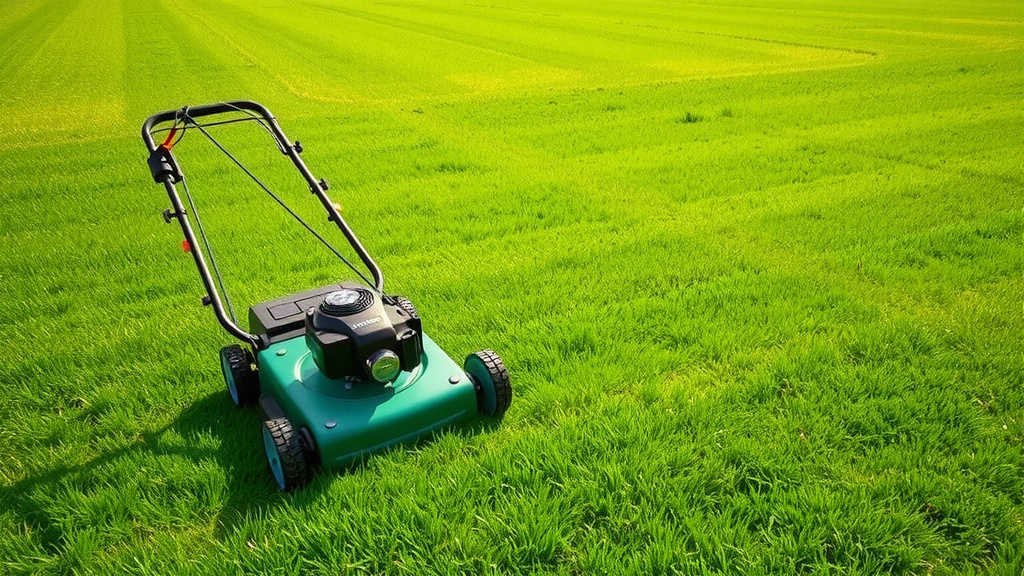
When you’re wondering how to mow your lawn on Pcp, the core focus should always be on safety, precision, and the health of your turf. The best way to achieve a vibrant lawn is by following established best practices for preparation, technique, and post-mowing care.
Proper lawn care practices ensure a beautiful outdoor space while keeping you and your equipment safe, regardless of any specific challenges or conditions you might face.
-
Always prioritize your safety and the safety of others around you before starting any mowing task.
-
A well-prepared lawn and a properly maintained mower are key to achieving clean, efficient cuts.
-
Follow the “one-third rule” to avoid stressing your grass, promoting healthier growth.
-
Timing your mowing correctly, based on grass type and weather, makes a big difference.
-
Post-mowing care, like cleaning your equipment and proper hydration, extends your lawn’s beauty and your mower’s life.
How To Mow Your Lawn On Pcp?
To effectively mow your lawn, you need a clear head, proper equipment, and a solid understanding of basic lawn care principles. Focus on preparing your space, using the correct technique, and prioritizing safety above all else.
Why Mowing Right Matters (Beyond the Buzz)
Mowing isn’t just about shortening grass; it’s about nurturing your lawn. A correct mow encourages stronger roots, thicker growth, and a lush appearance. It’s the single most impactful task for a healthy yard.
Understanding Your Lawn’s Needs
Every lawn has its own personality, often depending on the grass type and climate. Cool-season grasses like fescue and bluegrass prefer a taller cut. Warm-season varieties like Bermuda grass can tolerate a bit shorter trim. Knowing your grass helps you cut it just right.
Pre-Mow Checklist: Get Ready to Roll
Before you even think about starting your engine, a quick check can prevent headaches and accidents. We found that a few minutes of preparation saves hours of frustration later on.
- Clear the area: Remove toys, rocks, branches, and any obstacles that could become dangerous projectiles.
- Check your fuel and oil: Ensure adequate levels, especially for gasoline mowers.
- Inspect blades: Are they sharp and balanced? Dull blades tear grass, inviting disease.
- Check tire pressure: Even tire pressure helps achieve an even cut.
- Wear proper attire: Eye protection, sturdy shoes, and long pants are a must.
Safety First: Protecting Yourself and Others
Your safety is the top priority whenever you’re operating machinery. Many experts say that personal protective equipment (PPE) is non-negotiable for lawn care tasks (OSHA). Always wear eye and ear protection.
Keep children and pets safely indoors or far away from the mowing area. Flying debris is a real hazard, so always be aware of your surroundings.
Inspecting Your Mower: A Quick Once-Over
Take a moment to check your mower’s condition. Look for loose parts, frayed cords (on electric models), or any signs of wear. A well-maintained machine runs more smoothly and is much safer to operate.
Mastering the Mow: Techniques for a Perfect Cut
The way you push or ride your mower significantly impacts your lawn’s health and appearance. Think of it like painting a canvas; technique makes all the difference.
The “One-Third Rule”: Your Golden Standard
This rule is simple but incredibly important: never cut off more than one-third of the grass blade’s total height at once. For example, if your grass is six inches tall, only cut two inches off. Cutting too much at once stresses the plant and can lead to browning or disease (University of California Agriculture and Natural Resources).
Mowing Patterns: Straight Lines or Spirals?
For a beautiful, striped look, use overlapping straight lines. Each pass should slightly overlap the previous one. If you rotate your pattern direction each week (north-south one week, east-west the next), you help prevent compaction and encourage upright growth. It’s like changing your exercise routine for better muscle development!
When to Mow: Timing is Everything
The best time to mow isn’t just about your schedule; it’s about your lawn’s schedule too. We found that the time of day and year play crucial roles in grass health.
| Condition | Best Time to Mow | Why It Matters |
|---|---|---|
| Grass Height | When it reaches 1/3 taller than desired height | Follows the “one-third rule” for plant health. |
| Time of Day | Mid-morning (after dew dries) or late afternoon | Avoids stressing grass during midday heat; prevents disease from wet cuts. |
| Season | Spring-Fall (actively growing season) | Mow less frequently in dormant periods; adjust for faster growth in spring. |
| Weather | Dry conditions, no heavy rain recently | Wet grass clogs mowers, cuts unevenly, and spreads fungal diseases. |
Dealing with Tricky Spots and Slopes
Navigating around obstacles or up inclines requires extra care. For slopes, mow across them, not up and down, to reduce the risk of losing control. For areas around trees or garden beds, use a string trimmer or smaller mower to get a clean finish without damaging plants.
After the Cut: Post-Mowing Care
Your work isn’t quite done once the engine stops. A little after-care goes a long way in maintaining a healthy lawn and prolonging the life of your equipment.
Cleaning Your Mower: Extend Its Life
Grass clippings can accumulate under the deck, leading to rust and reduced performance. After each use, safely scrape off any built-up grass. Disconnect the spark plug on gas mowers first to prevent accidental starts. A clean mower is a happy mower!
Watering and Fertilizing After Mowing
Generally, you don’t need to water immediately after mowing, especially if you followed the one-third rule. If your lawn looks stressed or you’re in a dry spell, a deep watering a few hours later can help. Fertilizing is typically done on a schedule, not every time you mow. Always check your specific lawn care plan.
Common Mowing Mistakes to Avoid
Even seasoned lawn care enthusiasts can fall into bad habits. Avoiding these common pitfalls helps keep your lawn looking its best.
First, don’t mow with dull blades. This tears the grass, leaving ragged edges that turn brown and are more susceptible to disease. Another common error is scalping your lawn by cutting it too short, especially in hot weather, which can seriously damage the roots.
We also found that mowing at the same height every time can lead to compaction and shallow root systems. Varying your cut height slightly throughout the season can actually be beneficial.
Conclusion
Mowing your lawn properly is a blend of practical knowledge, careful preparation, and consistent technique. By understanding your grass, adhering to safety guidelines, and following best practices like the one-third rule, you can cultivate a truly beautiful and healthy lawn. Remember, a thriving yard reflects thoughtful care and attention to detail, making your outdoor space a joy to behold. Focus on these fundamentals, and your lawn will thank you with vibrant, lush growth.
Can I mow my lawn when it’s wet?
It’s generally not recommended to mow a wet lawn. Wet grass tends to clump, clog your mower, and result in an uneven cut. It also increases the risk of spreading fungal diseases and can make the ground slippery, posing a safety hazard. Always wait for the grass to dry completely before mowing.
How often should I sharpen my mower blades?
For an average homeowner, sharpening your mower blades at least once per season is a good baseline. If you have a large lawn, mow frequently, or encounter many obstacles, you might need to sharpen them two or three times a season. Sharp blades are key for a clean cut and a healthy lawn.
What is the ideal grass height for a healthy lawn?
The ideal grass height varies by grass type, but a good general rule is to maintain a height between 2.5 and 3.5 inches. Taller grass shades the soil, helping to retain moisture and suppress weed growth. It also encourages deeper root development, making your lawn more resilient.
Should I bag my grass clippings or leave them on the lawn?
In most cases, leaving grass clippings on your lawn is beneficial. This practice, known as grasscycling, returns valuable nutrients and organic matter to the soil, acting as a natural fertilizer. Only bag clippings if they are excessively long, clumpy, or if your lawn is suffering from a disease you don’t want to spread.
How does changing mowing patterns help my lawn?
Changing your mowing pattern each time helps prevent grass blades from leaning in one direction and reduces soil compaction in specific areas. Varying the direction encourages a more upright growth habit and a stronger, healthier root system, leading to a fuller and more even-looking lawn over time.
