
How To Use Honda Gcv160 Lawn Mower?
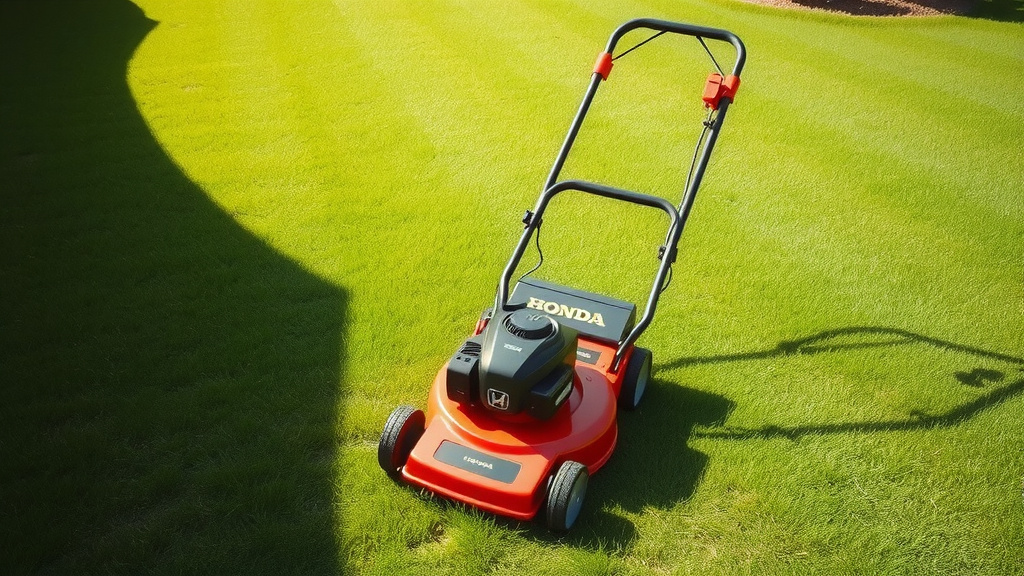
To use your Honda GCV160 lawn mower, first ensure you have fresh fuel and the oil level is correct. Then, prime the engine if needed, pull the starter cord firmly, and guide it carefully across your lawn.
Regular checks before each use, proper starting techniques, and maintaining a consistent mowing pattern are key to effectively operating your Honda GCV160 lawn mower.
Need a quick overview? Here’s the gist of how to use your Honda GCV160 lawn mower:
- Always check fuel and oil before starting.
- Learn the correct prime and pull method for easy starts.
- Use a consistent mowing pattern for a beautiful lawn.
- Prioritize safety with every use, wearing proper gear.
- Keep it clean and perform basic maintenance for longevity.
How To Use Honda Gcv160 Lawn Mower?
Using your Honda GCV160 lawn mower involves understanding its controls and following a few simple steps for starting, operating, and maintaining it.
It’s designed for straightforward use, making lawn care a less daunting task for you.
Getting Your Mower Ready
Before you even think about starting your mower, a few simple checks are always a good idea. Think of it like checking your car’s tires before a trip.
We found that proper preparation makes all the difference in performance and safety (Ohio State University Extension).
Fueling Up Safely
Your Honda GCV160 runs on regular unleaded gasoline. Always use fresh fuel, meaning gas less than 30 days old.
Older fuel can gum up the carburetor, causing starting issues. Many experts suggest using a fuel stabilizer if you store gas for longer periods.
Checking the Oil Level
Before each use, check the engine oil. It’s a simple dipstick check, usually yellow or orange.
Your mower needs the right amount of oil to prevent engine damage. We found that low oil is a common reason for engine failures, so please don’t skip this step.
Starting Your Honda GCV160
Once fueled and oiled, you’re ready to start. This engine is known for its easy starting, but a little technique helps.
Do you know the difference between choking and priming? Let’s dive in.
Understanding the Controls
Look for the fuel shut-off valve, usually near the fuel tank. Make sure it’s in the “on” position.
The throttle lever, if your model has one, should be set to “fast” or “start.”
The Primer Bulb (If Applicable)
Some GCV160 engines have a red or black primer bulb. If yours does, push it three to five times before pulling the cord.
This sends a small amount of fuel into the carburetor, helping a cold engine start quickly. Don’t over-prime, as that can flood the engine.
Pulling the Starter Cord
Hold the mower’s safety bar (bail lever) against the handle. This engages the engine’s kill switch, allowing it to start.
Then, grasp the starter cord handle firmly. Give it a slow, steady pull until you feel resistance, then a quick, strong pull.
Don’t let the cord snap back; guide it gently as it retracts.
Mowing Your Lawn Effectively
Congratulations, your mower is running! Now, let’s talk about giving your lawn that professional look.
Proper mowing technique not only looks better but also keeps your grass healthier (Purdue Extension).
Setting the Cutting Height
Most experts recommend cutting off no more than one-third of the grass blade at a time. This keeps your lawn green and robust.
Adjust your mower’s wheels to the desired height. Taller grass often leads to a more resilient lawn.
Choosing a Mowing Pattern
Overlap your passes slightly, about 2-3 inches, to ensure you don’t miss any spots. Think of it like painting a wall.
Many people prefer mowing in straight lines, alternating directions each time to prevent ruts and help grass stand upright.
Safety First: Always!
Lawn mowers are powerful tools. Treating them with respect is key to avoiding accidents.
We found that most mower injuries are preventable by following basic safety rules (Consumer Product Safety Commission).
- Never allow children near an operating mower.
- Remove rocks, sticks, and debris from the lawn before mowing.
- Wear sturdy shoes, long pants, and eye protection.
- Refuel only when the engine is off and cool.
- Mow across slopes, not up and down, if using a push mower.
Essential Maintenance Tips
Your Honda GCV160 is a reliable engine, but it thrives on a little care. Regular maintenance ensures longevity and efficiency.
It’s like giving your car an oil change; it keeps everything running smoothly.
Cleaning After Each Use
After each mow, allow the engine to cool, then disconnect the spark plug wire for safety. Tip the mower carefully on its side (carburetor side up).
Scrape off any grass clippings from beneath the deck. Accumulated grass can hinder airflow and promote rust.
Air Filter Check
The air filter protects your engine from dust and debris. Check it periodically; a dirty filter can reduce engine power.
Many models have foam filters you can clean with soap and water, or paper filters that need replacement.
Spark Plug Inspection
The spark plug is vital for starting. Check it annually or if your mower is hard to start.
Look for corrosion or excessive carbon buildup. A clean, properly gapped spark plug ensures a strong spark.
Troubleshooting Common Issues
Even the best mowers can have a hiccup. Here’s a quick guide to common issues you might face.
It’s usually something simple, so don’t panic just yet!
| Issue | Possible Cause | Solution |
|---|---|---|
| Won’t Start | No fuel, old fuel, spark plug issue | Add fresh fuel, clean/replace spark plug |
| Starts, then Dies | Clogged fuel filter, dirty carburetor | Replace fuel filter, clean carburetor |
| Lack of Power | Dirty air filter, dull blade | Clean/replace air filter, sharpen blade |
Preparing for Storage
When the mowing season ends, proper storage is vital for a smooth start next spring. Don’t just park it in the corner!
Many experts advise these steps to protect your investment over the winter (Briggs & Stratton).
Fuel Storage Considerations
You have two main options: run the fuel tank dry, or add a fuel stabilizer and fill the tank.
Running it dry prevents old fuel from causing issues. Filling it with stabilizer protects the fuel system from corrosion.
Oil Change and Cleaning
It’s a great idea to change the oil before storage. This removes dirty oil that could cause corrosion over time.
Give the entire mower a good cleaning, especially under the deck, to prevent rust and mildew.
Your Seasonal Mower Checklist
Keeping track of maintenance can feel like a chore, but this checklist makes it easy.
A few minutes now saves you headaches later, trust us!
-
Check oil level before each use.
-
Inspect air filter monthly or every 25 hours.
-
Clean under deck after every mow.
-
Sharpen blade once or twice a season.
-
Change spark plug annually.
-
Replace engine oil annually or every 50 hours.
Conclusion
Using your Honda GCV160 lawn mower is a straightforward process once you understand the basic steps and proper care. From fueling it up to seasonal storage, each step contributes to a healthier lawn and a longer-lasting mower.
By following these guidelines, you’re not just cutting grass; you’re ensuring your equipment stays reliable and your lawn looks its best. Happy mowing!
How often should I change the oil in my Honda GCV160?
Many manufacturers, including Honda, recommend changing the engine oil at least once per mowing season or every 50 operating hours, whichever comes first. This ensures optimal engine performance and longevity.
Can I use regular car gasoline in my Honda GCV160?
Yes, your Honda GCV160 lawn mower is designed to run on regular unleaded gasoline. However, it’s crucial to use fresh gasoline, preferably less than 30 days old, to prevent carburetor issues and ensure easy starting.
What if my Honda GCV160 won’t start after priming?
If your mower won’t start after priming, check a few common culprits. Ensure the fuel tank has fresh gas, the spark plug wire is connected, and the safety bar is held down. Also, check the spark plug for fouling or wear. Sometimes, you might have over-primed, in which case waiting a few minutes can help.
How do I adjust the cutting height on my Honda GCV160?
Most Honda GCV160 mowers have individual levers on each wheel or a single central lever to adjust the cutting height. Locate these levers near the wheels and move them to raise or lower the deck to your desired grass height.
Is it better to bag or mulch grass clippings?
Both bagging and mulching have benefits. Bagging removes clippings, preventing thatch buildup and giving a very clean look. Mulching, however, returns valuable nutrients to your lawn as the finely chopped clippings decompose, acting as a natural fertilizer. Many experts suggest mulching for a healthier lawn if conditions allow.
