
Are Honda Lawn Mower Engines Good?
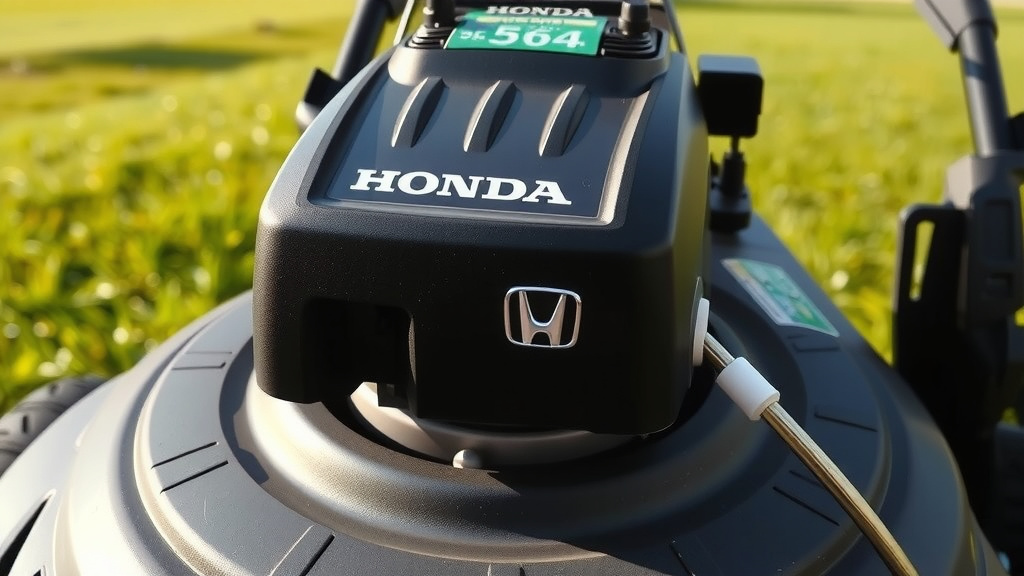
Yes, Honda lawn mower engines are widely considered among the best, renowned for their exceptional reliability and consistent performance.
Many lawn care experts and homeowners trust Honda engines for their powerful yet quiet operation, along with their impressive fuel efficiency.
- Honda engines are known for top-tier reliability and performance.
- They offer excellent fuel efficiency and operate quietly.
- Starting them is generally easy and consistent.
- While the initial cost may be higher, their durability often justifies it.
- Regular maintenance is key to maximizing their lifespan.
Are Honda Lawn Mower Engines Good?
Yes, Honda lawn mower engines are widely considered excellent for reliability and performance.
They are a top choice for durability and smooth operation among many lawn care professionals.
Thinking about a new lawn mower? The engine is the heart of the machine, right?
When you hear “Honda,” certain words probably come to mind: reliable, efficient, and well-built. This reputation isn’t by accident.
What Makes Honda Engines Stand Out?
Honda has spent decades perfecting small engines. They apply the same engineering principles from their cars to their lawn equipment.
You’re not just buying an engine; you’re investing in years of proven technology.
Built for the Long Haul
One of the biggest reasons people praise Honda engines is their incredible durability. We found that many users report these engines running for years.
Proper maintenance helps, of course, but the core design uses high-quality components that simply last.
Fuel Efficiency You’ll Appreciate
Who doesn’t want to save a bit on fuel? Honda engines are known for their excellent fuel economy.
This means fewer trips to the gas station and less money spent over the mowing season.
Quiet Operation is a Plus
Imagine mowing your lawn without a deafening roar. Honda engines are designed to run noticeably quieter than many competitors.
Your neighbors will thank you, and your ears will too. It makes the whole mowing experience much more pleasant.
Starting Up is a Breeze
Nothing is more frustrating than a mower that won’t start. Honda engines often feature easy-start technology.
A few pulls, or sometimes just one, and you’re ready to go. Many experts say this consistency is a major selling point.
Common Engine Series from Honda
Honda offers a couple of main engine series that you’ll encounter on lawn mowers. Each is tailored for different user needs.
Understanding the difference helps you choose the right engine for your yard.
GXV Series: Power for Pros
The GXV series engines are typically found on commercial-grade mowers. These are vertical shaft engines built for heavy-duty use.
If you have a large property or mow professionally, the GXV offers robust power and endurance (Honda Power Equipment).
GCV Series: Great for Homeowners
For most homeowners, the GCV series is what you’ll find. These engines are designed for residential lawn mowers.
They balance performance, fuel efficiency, and ease of use perfectly for average yard work.
Maintaining Your Honda Engine: Key Steps
Even the best engine needs some love. Regular maintenance ensures your Honda engine runs beautifully for many years to come.
It’s simpler than you might think, and it pays off big time in reliability.
Regular Oil Changes
Think of engine oil as the blood of your mower. Changing it regularly keeps components lubricated and prevents premature wear.
Consult your owner’s manual for the recommended intervals, typically after 25-50 hours of use.
Spark Plug Checks
The spark plug ignites the fuel mixture. A clean, properly gapped spark plug ensures easy starting and smooth running.
Inspect it annually and replace it if it looks worn or fouled. This is a small part with a big impact.
Air Filter Cleanliness
Your engine needs clean air to breathe. A clogged air filter can reduce power and increase fuel consumption.
Check and clean or replace your air filter regularly, especially if you mow in dusty conditions.
Fuel System Care
Stale fuel is an engine killer. Use fresh gasoline and consider a fuel stabilizer, especially if storing your mower for more than a month.
Emptying the fuel tank before winter storage is a smart practice to avoid carburetor issues.
Comparing Honda to Other Brands
How do Honda engines stack up against the competition? While many brands make good engines, Honda often comes out ahead in specific categories.
Here’s a quick look at some general comparisons based on common user experiences:
| Feature | Honda Engines | Other Popular Brands (e.g., Briggs & Stratton, Kohler) |
|---|---|---|
| Reliability | Very High; often cited as top-tier | High; some models perform very well |
| Noise Level | Generally Quieter | Can vary; some models are louder |
| Fuel Efficiency | Excellent; a key advantage | Good; but often not as efficient as Honda |
| Starting Ease | Consistently Easy Start | Generally good; can be more variable |
| Initial Cost | Often Higher | Typically more budget-friendly |
| Durability | Exceptional Longevity | Good lifespan with proper care |
We found that while other brands offer strong performance, Honda often leads in the overall package of refinement and efficiency.
Are There Any Downsides to Honda Engines?
No product is absolutely perfect for everyone, and Honda engines are no exception. It’s good to consider all angles before making a decision.
Understanding these points helps you decide if a Honda is the best fit for you.
Initial Cost Can Be Higher
You might notice that mowers with Honda engines often carry a higher price tag. This is usually justified by their quality and features.
It’s an investment, but one that often pays off over time due to fewer repairs and longer life.
Parts Availability Considerations
While Honda parts are available, they might not be as universally stocked as some other brands in every single hardware store.
Online retailers and authorized dealers are your best bet for genuine Honda parts (Honda Power Equipment).
Is a Honda Engine Right for Your Lawn?
So, should your next mower have a Honda engine? It really depends on your specific needs and priorities.
Think about how often you mow, the size of your lawn, and what you value most in a lawn mower engine.
Here’s a quick checklist to help you decide:
- Do you prioritize long-term reliability and durability?
- Is fuel efficiency important for your budget?
- Do you appreciate a quieter mowing experience?
- Are you willing to pay a bit more for proven quality?
- Do you perform regular maintenance to extend engine life?
Conclusion
When it comes to lawn mower engines, Honda has built a powerful reputation for a reason. Their engines are consistently praised for their reliability, fuel efficiency, and ease of use.
While the initial cost may be higher, the investment often translates into years of trouble-free operation. For many, a Honda engine is a stamp of quality that promises a smoother, more effective mowing experience.
Are Honda Lawn Mower Engines a Reliable Choice?
Yes, Honda lawn mower engines are considered an extremely reliable choice. Their engineering and construction focus on durability, leading to a long lifespan and consistent performance, as many independent reports confirm.
How Long Do Honda Lawn Mower Engines Last?
With proper maintenance, a Honda lawn mower engine can last 10 to 15 years, or even longer. Factors like regular oil changes, air filter cleaning, and using fresh fuel significantly extend their operational life.
What Fuel is Best for a Honda Lawn Mower Engine?
Most Honda lawn mower engines run best on unleaded gasoline with an octane rating of 86 or higher, containing no more than 10% ethanol (E10). Always avoid E85 fuel as it can damage your engine over time.
Where Are Honda Lawn Mower Engines Made?
Honda lawn mower engines are manufactured in various locations globally, including factories in the United States, Japan, Thailand, and China. Honda maintains strict quality control standards across all its manufacturing facilities.
Can You Put a Honda Engine on Any Mower Deck?
Generally, swapping engines requires careful consideration of compatibility, including shaft size, mounting bolt patterns, and engine dimensions. While possible, it’s not always a straightforward process and often requires professional installation to ensure safety and proper function.
