How Often Should You Sharpen a Chainsaw Chain?
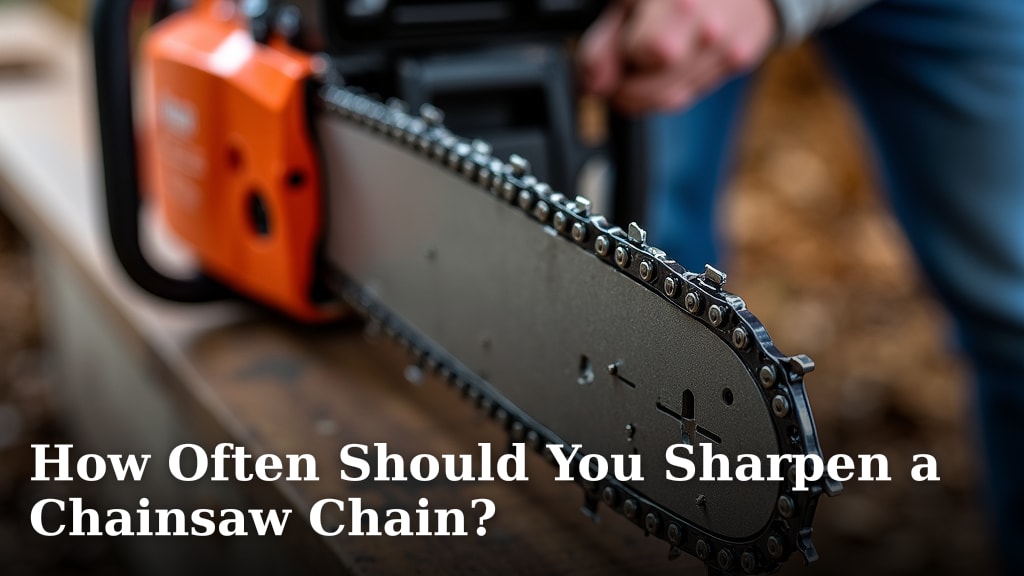
You should sharpen a chainsaw chain whenever it starts to cut poorly, which can be as often as every few hours of use. Many experts say you should sharpen your chain at least once a day if you’re using it regularly. Dull chains are dangerous and make your work harder.
A sharp chain cuts smoothly and safely. A dull chain can lead to kickback and poor cutting performance. We found that most homeowners don’t sharpen their chains often enough. Keeping your chain sharp is crucial for safety and efficiency.
- Sharpen your chainsaw chain often.
- A dull chain is unsafe and inefficient.
- Listen for a “dusty” cut instead of clean chips.
- Inspect your chain regularly for damage.
- Proper sharpening extends chain life.
Let’s dive deeper into recognizing a dull chain, why it matters, and how often you should really be sharpening it for optimal performance and safety.
Maintaining Your Chainsaw Chain’s Sharpness
You should sharpen your chainsaw chain frequently to keep it working well and safely. Think of it like a chef sharpening a knife; they don’t wait for it to be completely dull.
Many experts recommend sharpening your chain after every few hours of use, or at least once a day if you’re using it consistently. This keeps your cutting smooth and efficient.
Why a Sharp Chain Matters So Much
Why bother with all this sharpening? Well, a sharp chain is about more than just cutting speed. It’s about safety and the life of your chainsaw itself.
When your chain is sharp, it slices through wood with minimal effort. This means less strain on you and less strain on your chainsaw’s engine.
The Dangers of a Dull Chainsaw Chain
A dull chain is a hazard waiting to happen. It forces you to push harder, increasing your chance of losing control. This can lead to serious injuries.
We found that a dull chain also increases the risk of kickback. This is when the chainsaw suddenly and violently jumps back toward you. It’s incredibly dangerous.
A dull chain also creates more vibration. More vibration means more fatigue for you and extra stress on the saw’s components, which can shorten its lifespan.
Impact on Chainsaw Performance and Lifespan
Imagine trying to cut steak with a butter knife. That’s what your chainsaw is doing with a dull chain. It rips and tears the wood instead of cutting cleanly.
This poor cutting puts a huge burden on your chainsaw’s engine. It has to work much harder, burning more fuel and wearing out parts faster.
A sharp chain, on the other hand, makes clean, precise cuts. This reduces the load on your engine, saving fuel and extending the life of your saw.
Signs Your Chainsaw Chain Needs Sharpening
How do you know when it’s time to sharpen? Your chainsaw will tell you, if you know what to look for. Don’t wait until it stops cutting entirely.
Paying attention to these signs will help you keep your saw in top condition and you safe.
Visual Clues: What to Look For
Take a good look at the wood chips your saw is producing. Are they large, uniform chips? Or are they fine, powdery sawdust?
A sharp chain produces nice, consistent wood chips. A dull chain makes fine sawdust, like your saw is grinding the wood instead of cutting it.
Also, observe the cutting edge of the teeth. Are they shiny and clean? Or do they look rounded, flattened, or even have small nicks?
Any visible damage or dullness on the tooth edge is a clear sign it’s time for sharpening.
Performance Clues: How Your Saw Behaves
Does your saw pull itself into the wood effortlessly? Or do you have to push down hard to make it cut? A sharp chain does most of the work for you.
If you’re finding yourself applying a lot of pressure, or if the saw is bouncing and vibrating excessively, your chain is probably dull.
Another big clue is if the saw cuts crooked. Instead of a straight cut, it might wander or follow a curve. This often happens when some teeth are sharper than others.
Finally, listen to your saw. Does it sound like it’s struggling? A sharp chain will have a consistent, powerful hum as it cuts.
Factors Influencing Sharpening Frequency
There isn’t one magic number for sharpening frequency. Several things affect how often your chain gets dull. Let’s look at what those are.
Type of Wood You’re Cutting
Hardwoods like oak and maple are much tougher on your chain than softwoods like pine. Cutting hardwoods will dull your chain faster.
If you’re primarily cutting soft, green wood, you might go a bit longer between sharpenings. But hard, dry wood means more frequent touch-ups.
Cleanliness of the Wood and Environment
Are you cutting logs that have been sitting on the ground? Did they get dirty or sandy? Dirt, sand, and even small bits of gravel are the enemy of a sharp chain.
Even a single contact with dirt can significantly dull your chain. We found this is a common cause for rapid dulling, especially for firewood cutters.
Try to keep your cutting area clean. Elevate logs off the ground if possible to avoid hitting soil or rocks.
Your Cutting Technique
Believe it or not, how you cut matters. Forcing the saw or letting it bounce can dull the chain faster than a smooth, consistent technique.
Let the saw do the work. Don’t press down too hard. A light, steady hand will help preserve your chain’s edge longer.
Sharpening Methods: Manual vs. Electric
Once you know it’s time to sharpen, what’s the best way to do it? You have a couple of main options.
Manual Sharpening with a File
This is the classic method and the one many experienced users prefer. You’ll use a round file, a flat file, and a filing guide. It takes practice, but it offers precision.
Manual sharpening allows you to address individual teeth and is great for touch-ups in the field. It’s also generally gentler on the chain, potentially extending its life.
Many find manual sharpening to be more forgiving for minor dullness. It gives you direct control over each tooth.
Electric Sharpeners and Their Role
Electric sharpeners, often bench-mounted, use a grinding wheel to sharpen the chain. They are faster and can be very precise once set up correctly.
These are great for when your chain is very dull, or for doing a complete overhaul. They can also be a good option if you sharpen many chains frequently.
However, electric sharpeners can remove more material from the teeth if not used carefully. This means your chain might wear out faster over time. We found they are best for significant sharpening, not just quick touch-ups (Consumer Reports).
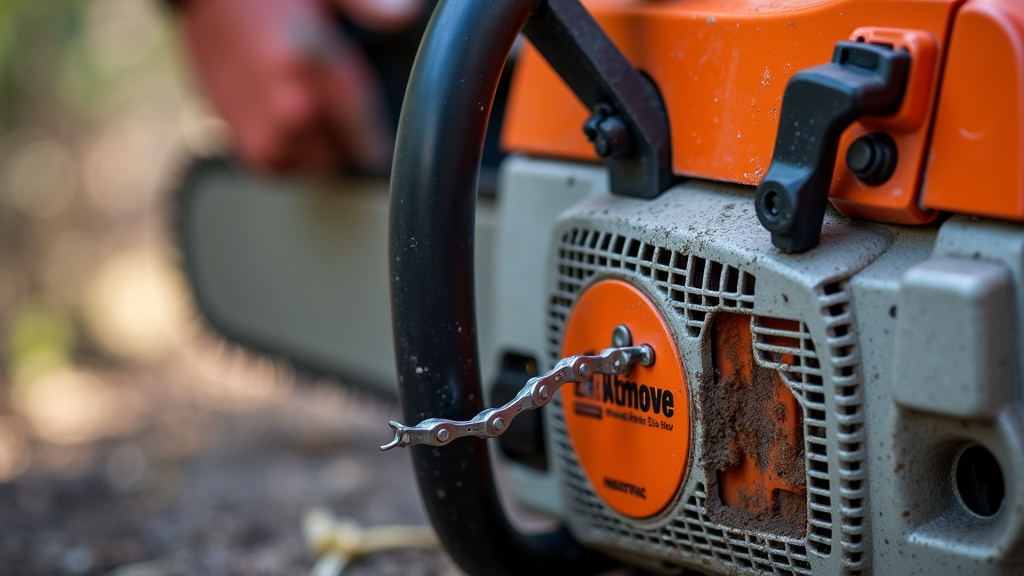
A Practical Sharpening Schedule Checklist
Here’s a quick guide to help you remember when to sharpen your chainsaw chain. Follow these steps to maintain optimal performance.
- Before each use: Briefly inspect the chain for visible damage or dullness.
- Every fuel tank: Take a moment to file each tooth lightly. This is a good habit.
- After hitting dirt or rocks: Stop immediately and sharpen the affected teeth.
- When producing sawdust: If you see fine powder instead of chips, it’s time to sharpen.
- When cutting takes extra effort: If you’re pushing hard, your chain is dull.
- Before long-term storage: A sharp chain stores better and is ready for next time.
Maximizing Your Chain’s Life and Sharpness
Beyond just sharpening, there are things you can do to make your chain last longer and stay sharp between uses. Think of it as preventative care for your tool.
Using proper cutting techniques and maintaining your saw in general contributes greatly to chain longevity. It’s all connected.
Proper Chain Tension and Lubrication
Always make sure your chain has the correct tension. A loose chain can cause accelerated wear, jump off the bar, and be very dangerous.
Too tight, and it puts stress on the engine and bar. Check your chainsaw manual for the right tension. You should be able to pull the chain freely around the bar, but not so loose that the drive links come out of the bar groove.
Adequate lubrication is also key. Your chainsaw uses bar and chain oil to keep things moving smoothly. A dry chain will heat up, stretch, and dull much faster.
Always check your oil reservoir before starting work and refill as needed. We found that insufficient oil is a common cause of premature chain wear (USDA Forest Service).
Keeping Spare Chains Handy
Don’t let a dull chain stop your work. It’s always a good idea to have at least one or two spare, sharpened chains on hand. If your chain is beyond sharpening, learn how to replace a chainsaw chain safely and efficiently.
When your active chain gets dull, you can quickly swap it out for a sharp one. Then, you can take your time sharpening the dull chain later, back in your workshop.
This approach saves you time and reduces the temptation to keep cutting with a dull, dangerous chain. It’s a simple trick that improves efficiency and safety.
Common Sharpening Mistakes to Avoid
Sharpening a chainsaw chain isn’t hard, but there are a few common pitfalls. Knowing these can help you avoid frustration and keep your chain in better shape.
Incorrect File Size or Angle
Using the wrong file size is a big one. Each chain has a specific file size it needs. Check your chain’s packaging or your chainsaw manual for this information.
Also, maintaining the correct filing angle is crucial. Most chains require a specific angle, usually around 25-35 degrees. Guides can help you with this.
An incorrect angle won’t cut well and can damage the tooth. It’s like trying to carve with a blunt edge, even if it feels sharp.
Neglecting Depth Gauges
The depth gauge, or raker, is the little hump in front of each cutting tooth. It controls how deep the tooth bites into the wood.
If your depth gauges are too high, the teeth won’t cut effectively. If they’re too low, the chain will bite too aggressively, leading to kickback and poor control.
Always check and file your depth gauges when sharpening the cutting teeth. This is often overlooked, but it’s essential for safe and efficient cutting.
Conclusion
Sharpening your chainsaw chain often is not just about getting the job done faster; it’s about your safety and the longevity of your tool. You’ve learned the clear signs of a dull chain and how various factors influence sharpening frequency. By making regular sharpening a habit and using the correct techniques, you prevent dangerous kickback, reduce strain on your body, and extend your chainsaw’s life. Don’t wait for your chain to be completely dull. Stay safe by keeping it sharp.
Frequently Asked Questions
What happens if I don’t sharpen my chainsaw chain regularly?
If you neglect sharpening, your chainsaw will become less efficient and more dangerous. You’ll have to push harder, increasing fatigue and the risk of kickback. The saw’s engine will also work overtime, leading to premature wear and higher fuel consumption.
Can I over-sharpen my chainsaw chain?
Yes, it’s possible to over-sharpen. Each time you sharpen, you remove a small amount of metal from the teeth. Sharpening too frequently or aggressively, especially with electric sharpeners, can shorten the chain’s overall lifespan by making the teeth too small or weak.
How can I tell the difference between a dull chain and a poorly tensioned chain?
A dull chain will produce fine sawdust and require excessive force to cut, often bouncing. A poorly tensioned chain might sag off the bar, wobble during cuts, or even come off the bar completely. Always check tension first if you suspect a problem, as it’s easier to fix.
Is it better to sharpen by hand or use an electric sharpener?
Both methods have their place. Manual filing offers precise control for touch-ups and can be gentler on the chain. Electric sharpeners are faster for very dull chains or when you need a consistent grind, but they can remove more material if not used carefully. Many professionals use both.
How often should I replace my chainsaw chain completely?
You should replace your chainsaw chain when the cutting teeth become too small to sharpen effectively, or if they have significant damage like large cracks or missing cutters. Most chains can withstand many sharpenings before needing replacement, depending on how well they are maintained and protected from damage.