
What Is a Good Horsepower for a Riding Mower?
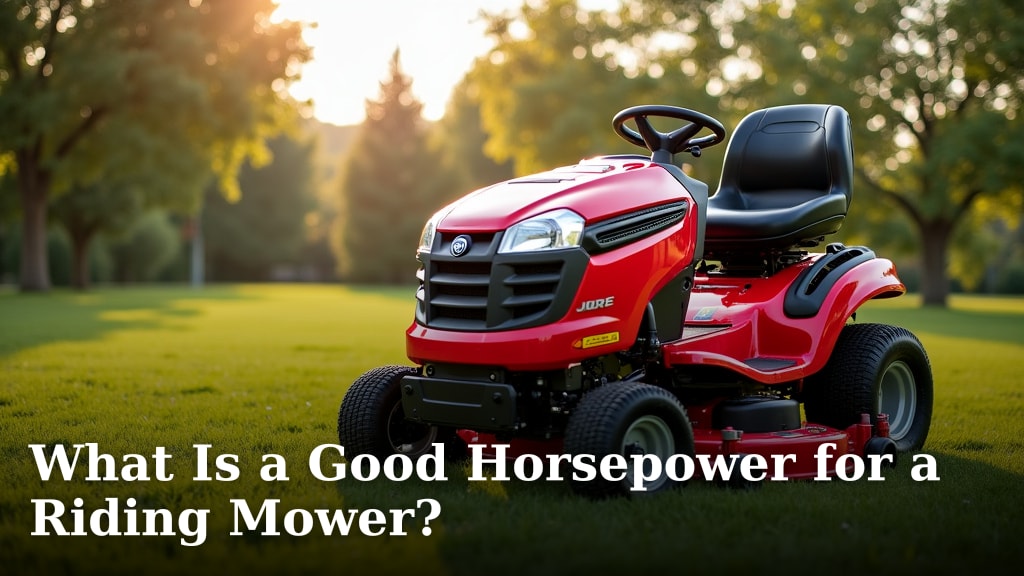
For most homeowners, a riding mower with around 15 to 25 horsepower is a good starting point. This range offers enough power for average yards and most common mowing tasks. You don’t always need the most powerful engine to get the job done effectively. It really depends on your specific needs and yard size.
We found that engine size is measured in horsepower (HP). More horsepower generally means a mower can handle tougher jobs. This includes thick grass, hills, and towing attachments. However, too much power can be unnecessary and lead to higher costs. We researched that choosing the right HP is about finding that sweet spot for your lawn care routine.
- The best horsepower for riding mowers varies.
- For typical lawns, 15-25 HP is usually plenty.
- More HP tackles hills and thick grass better.
- Consider your yard size and terrain carefully.
- Don’t overspend on power you won’t use.
Let’s break down what horsepower really means for your riding mower and help you find the perfect fit for your yard.
Understanding Horsepower for Your Riding Mower
So, you’re looking for a riding mower and wondering how much horsepower (HP) you really need. It’s a common question, and the answer isn’t a simple one-size-fits-all. We found that horsepower is a key metric, but it’s just one piece of the puzzle.
Think of horsepower like the engine size in your car. More HP generally means more power. This power is what helps your mower tackle different lawn challenges. We researched that it’s essential to match the mower’s power to your yard’s specific needs.
What Exactly Is Horsepower?
Horsepower is a unit of measurement for power. It tells you how much work an engine can do over a certain time. One horsepower is roughly equal to the power needed to lift 550 pounds one foot in one second. For riding mowers, it indicates the engine’s strength.
We found that a higher horsepower rating often means the mower can cut grass faster. It also means it can handle tougher conditions more easily. This includes thick, overgrown grass or mowing on slopes. We discovered that understanding HP helps you choose a mower that won’t struggle.
The Role of Horsepower in Mowing Performance
Your mower’s horsepower directly impacts its ability to perform. A lower HP mower might do fine on flat, well-maintained lawns. But it could struggle with more demanding tasks. We found that an underpowered mower can bog down in thick grass.
It might also not be able to climb hills effectively. This can lead to uneven cuts and a lot more frustration for you. Conversely, too much horsepower isn’t always better. We researched that an unnecessarily powerful mower can be more expensive. It might also use more fuel.
Matching Horsepower to Your Lawn Size and Terrain
The size of your yard is probably the biggest factor in deciding on the right horsepower. Smaller yards might not need a beast of an engine. Larger properties often benefit from more power. We found that matching HP to your lawn size prevents overspending.
It also ensures you have enough capability for the job. Let’s break down some common yard sizes and what HP typically works well.
Small to Medium Yards (Under 1 Acre)
For homeowners with smaller yards, typically less than an acre, a riding mower with 10 to 18 horsepower is often sufficient. We found that these mowers are usually more compact and maneuverable. They are also generally more affordable.
A mower in this range will handle basic lawn care with ease. It can cut through average grass without much effort. If your lawn is relatively flat and you don’t plan on using attachments, this HP range is a smart choice. We researched that many entry-level riding mowers fall into this category.
Medium to Large Yards (1 to 3 Acres)
If your property spans between one and three acres, you’ll likely want a bit more power. A horsepower range of 18 to 25 HP is often recommended here. We found that this extra power helps maintain a consistent cutting speed.
It also provides the torque needed for slightly thicker grass. If you have some gentle slopes, this HP range will give you more confidence. We researched that many mid-range riding mowers offer this level of performance. They provide a good balance of power and efficiency for larger suburban lots.
Large Estates and Acreage (3+ Acres)
For properties that are three acres or larger, or if you have particularly challenging terrain, you’ll want to look at higher horsepower. Mowers with 25 horsepower and above are designed for these demanding jobs. We found that these powerful machines can handle thick, wet grass and steep inclines.
They are also built to tow heavier attachments like carts or aerators. If you’re managing a significant amount of land, investing in a higher HP mower will save you time and effort. We researched that these are often commercial-grade or heavy-duty homeowner models.
Considering Other Factors Beyond Horsepower
While horsepower is important, it’s not the only factor that determines how well a riding mower will perform for you. You need to consider the cutting deck size, transmission type, and whether you’ll use attachments. We found that a larger deck often requires more power.
Let’s look at these other elements that play a role in your mowing experience.
Cutting Deck Size and Horsepower
The width of the mower’s cutting deck is a significant consideration. Wider decks mean you can cut more grass in a single pass, reducing mowing time. However, a wider deck requires more engine power to turn the blades effectively.
We found that a 42-inch deck might be fine with 15-18 HP. But a 50-inch or larger deck often needs 20 HP or more. We researched that manufacturers usually specify a recommended HP range for each deck size. Always check this recommendation.
Transmission Type and Its Impact
The transmission affects how the mower transfers power to the wheels. There are typically two main types: manual (gear) and automatic (hydrostatic). We found that hydrostatic transmissions are generally preferred for their ease of use.
You control speed by a lever or pedal, making them feel more like a car. These often work best with engines that have a bit more horsepower to handle the system smoothly. Manual transmissions require shifting gears, which can be more work, especially on hills. We researched that a hydrostatic transmission pairs well with most HP levels for convenience.
The Benefit of Using Attachments
Will you be using your riding mower for more than just cutting grass? Tasks like towing a trailer, spreading fertilizer, or dethatching require extra power. We found that even if your primary use is mowing, a bit of extra HP can be beneficial for these auxiliary tasks.
If you plan to use attachments regularly, we recommend looking at mowers with at least 20 HP. This ensures the engine has enough reserve power. We researched that using attachments with an underpowered mower can strain the engine and shorten its lifespan.
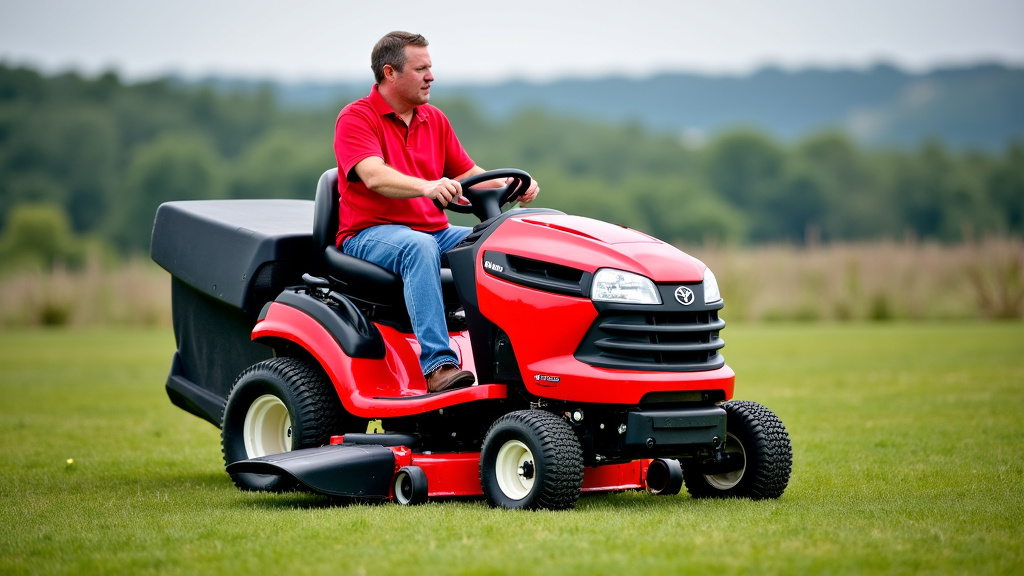
When More Horsepower Might Be Necessary
Sometimes, even on a moderately sized lawn, you might need more than the basic horsepower. This usually comes down to the specific challenges your yard presents. We found that considering these unique factors is key to a good purchase.
Dealing with Hills and Inclines
Mowing on hills is tougher than on flat ground. Gravity works against your mower. We found that a higher horsepower engine provides the necessary torque to climb slopes without slowing down significantly.
It also helps maintain consistent blade speed for an even cut. Many experts suggest at least 18-20 HP for yards with noticeable inclines. We researched that a powerful engine makes mowing hills much safer and easier.
Tackling Thick or Wet Grass
Some grass types grow very dense. Mowing them when they are wet is even more challenging. We found that thick, damp grass puts a heavy load on the mower’s engine and blades.
A mower with lower horsepower can easily get bogged down. This results in uneven cutting and can even stall the engine. We researched that 20 HP or more is often beneficial for these conditions, ensuring a clean cut without struggling.
Maintaining Large, Open Areas
If you have large, open spaces like fields or expansive lawns, you want to finish the job quickly. We found that a higher horsepower mower, combined with a wider cutting deck, can significantly reduce your mowing time.
The engine can power larger blades at optimal speed. This allows you to cover more ground efficiently. We researched that for large areas, more HP means less time spent mowing and more time enjoying your yard.
Making Your Final Horsepower Decision: A Checklist
Choosing the right horsepower for your riding mower involves looking at your specific situation. We found that it’s about finding that perfect balance for your needs. Here’s a quick checklist to help you decide:
- What is the approximate size of your yard in acres?
- Does your yard have significant hills or steep slopes?
- Is your grass typically thick, overgrown, or mowed when wet?
- Do you plan to use attachments like a trailer or dethatcher?
- What is your budget for a riding mower?
- How important is mowing speed and efficiency to you?
By answering these questions, you can narrow down the horsepower range that will best serve you. We found that taking the time to consider these points leads to a much more satisfying purchase.
Conclusion
Finding the right horsepower for your riding mower isn’t just about raw power; it’s about matching that power to your specific needs. We found that for most average yards, 15 to 25 HP offers a great balance of capability and efficiency. Remember to consider your lawn’s size, terrain, and whether you’ll use attachments.
Don’t overspend on more HP than you’ll ever need. Instead, focus on a mower that will handle your tasks smoothly and reliably. Now that you’re armed with this knowledge, you can confidently choose a riding mower that will make lawn care a breeze for years to come.
Frequently Asked Questions
Do I really need more than 25 HP for my lawn?
For most residential lawns, even larger ones up to 3 acres, 25 HP is generally the upper limit you’ll need. We found that anything beyond this is typically for very large properties, commercial use, or extreme conditions like very steep hills and incredibly thick brush.
Can a riding mower with lower HP still cut tall grass?
A riding mower with lower horsepower (under 18 HP) might struggle with tall or thick grass. We researched that it can lead to bogging down, uneven cuts, and potentially stalling the engine. For taller grass, a bit more power, ideally 20 HP or higher, is recommended.
Is a hydrostatic transmission better for higher horsepower mowers?
While hydrostatic transmissions work well with most HP levels for ease of use, they pair particularly nicely with higher horsepower engines. We found that the extra power helps the hydrostatic system operate smoothly, especially when tackling hills or heavier loads with attachments.
How does deck size relate to the horsepower I need?
A larger cutting deck means more blades to spin, which requires more engine power. We researched that manufacturers typically suggest a minimum horsepower for each deck size. For example, a 50-inch deck usually needs at least 20 HP to operate efficiently.
Will a higher HP mower use significantly more fuel?
Generally, yes, a more powerful engine will consume more fuel, especially when working hard. However, we found that if you have a large yard or tough terrain, a higher HP mower might actually be more fuel-efficient in the long run because it finishes the job faster and doesn’t strain as much.
