
Can You Use a Push Mower on a Hill?
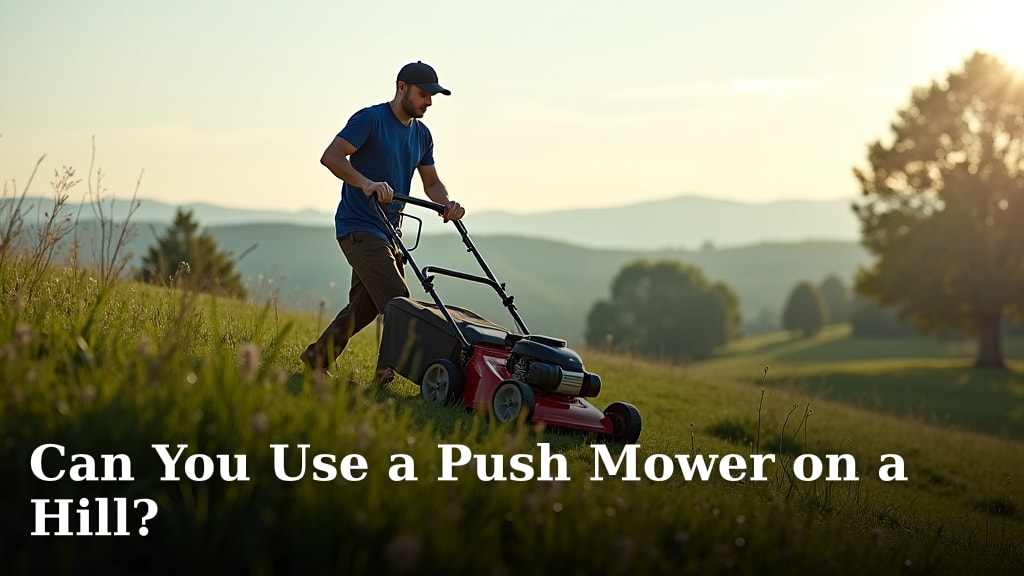
Yes, you can use a push mower on a hill, but it’s not always the easiest or safest option. You’ll need to be extra careful and consider the steepness of the slope. Many homeowners find that mowing across a hill is safer than going straight up and down, which can lead to slips and falls. Always prioritize your safety.
When tackling sloped lawns, understanding the limitations of your mower and your own capabilities is key. We’ve found that the angle of the hill and the type of mower you’re using play a big role in how manageable the job will be. Wet grass can also make mowing on a hill significantly more dangerous, so it’s wise to avoid it.
- Push mowers *can* be used on hills.
- Safety is your top priority.
- Mowing across slopes is often safer.
- Consider the hill’s steepness.
- Avoid mowing wet, sloped grass.
Let’s walk through exactly how to approach mowing on a hill safely, so you can make the best decision for your yard.
Mowing Your Yard on Sloped Terrain
Yes, you can use a push mower on a hill. But let’s be honest, it’s not always the most enjoyable task. Safety should always be your number one priority when dealing with any kind of incline. We’ve seen folks tackle some pretty steep slopes, and it can get dicey fast.
The key is understanding how steep your hill is and what your limits are. We’ve found that going across a slope is generally safer than going straight up and down. This helps prevent the mower from sliding sideways unexpectedly. Always consider the conditions, like if the grass is wet. Wet grass is incredibly slippery, making any slope much more hazardous.
Assessing Your Hill’s Steepness
Before you even think about starting the mower, you need to gauge your hill. How steep is it, really? Most push mowers are designed for relatively flat surfaces. If your hill feels like you’re climbing a mountain, it’s probably too steep for a standard push mower. Many manufacturers suggest avoiding slopes steeper than 15 degrees.
How can you figure out the angle? You can use a simple inclinometer app on your smartphone. Just place it on a long, flat object like a level or a straight plank against the hill. This gives you a more accurate reading than just eyeballing it. If you don’t have an app, you can estimate. If you feel like you’re really struggling to walk up the hill without feeling unstable, your mower will feel the same way, if not more so.
The Dangers of Mowing Too Steeply
Pushing a mower uphill requires a lot of effort. But the real danger isn’t just the workout you get. It’s what happens when you’re mowing downhill or sideways. We found that loss of control is a major concern.
When going downhill, gravity is working against you and the mower. It can easily get away from you, leading to potential accidents. If the mower slides sideways on a slope, you could lose your footing. This is how injuries happen. The Consumer Product Safety Commission (CPSC) has reports highlighting the risks associated with mowing on slopes, especially if the equipment isn’t designed for it or if the operator isn’t careful.
Understanding Your Mower’s Capabilities
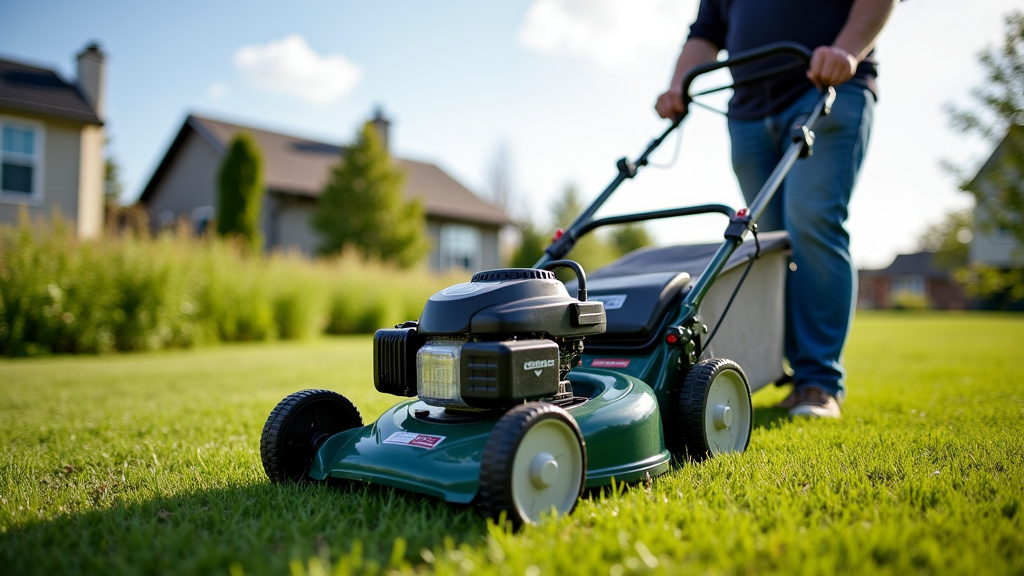
Not all push mowers are created equal when it comes to hills. Some are more robust than others. A self-propelled mower can make a huge difference, especially going uphill. It uses its engine to help drive the wheels, taking some of the physical strain off you.
However, even a self-propelled mower has its limits. Check your owner’s manual. It usually specifies the maximum recommended slope. Overloading the mower or using it on terrain it wasn’t designed for can damage the engine, transmission, or other components. We’ve heard stories of overheating engines and broken drive belts from people pushing their mowers too hard on hills.
Self-Propelled vs. Manual Push Mowers on Hills
A manual push mower requires you to do all the work. Pushing it uphill is like climbing a small mountain. Coming downhill, you have to fight gravity to keep it under control. It’s a significant physical challenge and increases the risk of a slip or fall.
A self-propelled mower eases the burden, especially on inclines. The mower assists with forward motion. This makes it easier to maintain control and reduces fatigue. However, you still need to be vigilant, especially when mowing downhill or across uneven terrain. The self-propel feature doesn’t negate the need for caution.
Strategies for Safer Slope Mowing
If you’ve assessed your hill and your mower and decided you’re going to give it a go, you need a plan. The way you approach the slope matters a lot. We’ve researched the best practices for this very scenario.
The “Across the Hill” Method
This is perhaps the most recommended technique for mowing slopes. Instead of going straight up and down, mow in a series of swaths across the incline. Imagine you’re mowing the side of the hill in horizontal strips.
Why is this better? If you’re mowing straight up or down and the mower slips, it can run away from you. When you mow across the hill, if the mower starts to slide, it will likely slide sideways parallel to your path. This gives you a much better chance to regain control. It also prevents you from tumbling down the hill with the mower.
Why Going Up and Down Can Be Risky
Mowing straight up and down a hill is tempting because it seems more direct. However, it presents several dangers. As we mentioned, if the mower loses traction while going downhill, it can accelerate rapidly. You might not be able to stop it. This puts you in a precarious position, and a fall is likely.
When you push uphill, you’re fighting gravity with every step. This can lead to fatigue. Tiredness increases the chances of making a mistake. We found that many mower-related accidents happen when the operator is tired or distracted. So, while it might seem efficient, going straight up and down is often less safe.
Managing Obstacles and Uneven Terrain
Hills often come with extra challenges. Tree roots, rocks, dips, and bumps can all be hidden hazards. Hitting one of these while on a slope can easily cause the mower to lurch or tip. This is especially true if you’re mowing across the hill.
If you encounter an obstacle, stop the mower completely. Assess the situation. Can you mow around it safely? If not, it might be better to use a string trimmer or weed whacker for that specific spot. Trying to force the mower over a large obstacle on a slope is a recipe for disaster. Always look ahead for potential tripping hazards or things that could snag the mower’s blades.
The Importance of Proper Footwear and Gear
What you wear on your feet can make a big difference. You need good traction. Slip-resistant boots or sturdy shoes with deep treads are essential. Avoid sandals, flip-flops, or any open-toed shoes. You need your feet to be protected and firmly planted.
Wear long pants and long sleeves. This protects your skin from scratches, insects, and the mower’s hot engine parts. Safety glasses are also a must. Grass clippings, dirt, or small stones can fly up unexpectedly. We found that wearing appropriate gear helps prevent minor injuries and makes you feel more secure.
When to Call It Quits (or Get Help)
There comes a point when mowing a sloped lawn with a push mower just isn’t practical or safe. It’s important to know your limits and the limits of your equipment. We think it’s better to be safe than sorry.
Recognizing When a Hill is Too Steep
If your smartphone inclinometer reads above 15-20 degrees, it’s likely too steep for safe push mower operation. Trust your gut feeling. If it feels unstable or too challenging to walk on, it’s too steep to mow with a standard push mower. You don’t want to find yourself fighting for balance.
Consider the wetness factor too. Even a gentle slope can become treacherous when wet. We found that many experts strongly advise against mowing any slope when the grass is damp or after rain. The risk of slipping increases dramatically. Wait for the grass to dry completely.
Alternatives to Pushing on Steep Slopes
What if your lawn is just too hilly for your push mower? Don’t despair! There are other options. You might consider a robot mower if your budget allows. These are designed to handle slopes and operate autonomously. They can be a lifesaver for difficult terrain.
Another option is a zero-turn mower, which is generally better suited for navigating slopes than traditional riding mowers, although still requires caution. For extremely steep or difficult areas, a string trimmer or weed whacker can be your best friend. You can also hire a professional lawn care service. They have the right equipment and expertise to handle challenging landscapes safely.
Here’s a quick checklist to help you decide if mowing your hill is a good idea:
- Check your mower’s manual for slope limitations.
- Use an inclinometer to measure the hill’s angle.
- Assess the grass for wetness or slipperiness.
- Wear sturdy, slip-resistant footwear.
- Plan to mow across the slope, not up and down.
- Know when to stop and consider alternative solutions.
Conclusion
So, can you use a push mower on a hill? Yes, you can, but it requires careful consideration. We’ve found that safety is paramount. Always assess your hill’s steepness, preferably with an inclinometer, and never mow wet grass on any slope. Remember, mowing across the hill is typically safer than going straight up and down. If your hill feels too steep or your mower isn’t designed for inclines, don’t push it. Prioritize your safety and consider alternatives like a string trimmer or professional help. Your next step should be to grab your smartphone and measure that hill!
Frequently Asked Questions
How steep is too steep for a push mower?
Most experts and manufacturers suggest avoiding slopes steeper than 15 degrees. If your hill feels challenging to walk up, it’s likely too steep for safe push mower operation. Trust your physical assessment, as it’s a good indicator of the mower’s limitations too.
Is it safer to mow a hill up and down or sideways?
Mowing sideways (across the slope) is generally much safer. If the mower slips sideways, you have a better chance of maintaining control. Going up and down increases the risk of the mower running away from you downhill or losing your footing.
What’s the difference between a self-propelled and manual push mower on a hill?
A self-propelled mower helps push itself, reducing your physical strain, especially uphill. A manual push mower requires you to do all the work, making it a much tougher and potentially riskier task on inclines. Even with self-propel, caution is still needed.
What kind of footwear is best for mowing on a hill?
You absolutely need good traction. We highly recommend slip-resistant boots or sturdy shoes with deep treads. Avoid sandals or open-toed shoes entirely to protect your feet and ensure you have a firm grip on the ground.
Can I mow my lawn on a hill if the grass is a little wet?
No, it’s best to avoid mowing any slope when the grass is wet. Damp grass drastically increases the risk of slipping and losing control of the mower. Wait for the grass and the ground to dry out completely before you begin mowing.
