
Can You Use a Zero-turn Mower on Hills?

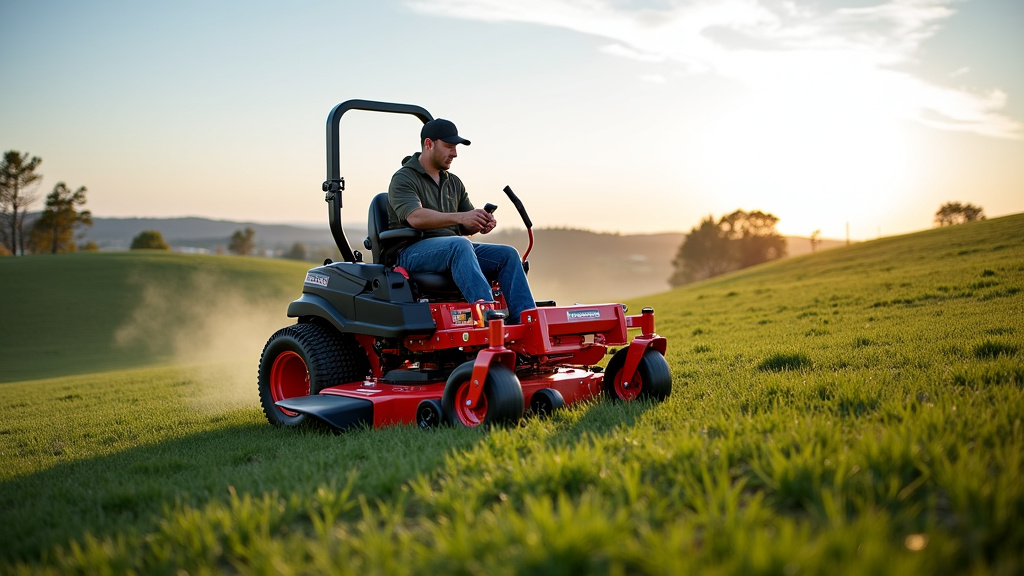
Yes, you can use a zero-turn mower on hills, but with important safety precautions. While zero-turns offer agility, their design makes them less stable on slopes than other mower types. Always check your mower’s manual for specific incline limits.
Many homeowners wonder about this common concern. Hills can be tricky to mow, and zero-turns have a unique maneuverability that needs careful handling on inclines. We found that understanding your mower’s center of gravity is key to safe operation.
- Zero-turns *can* mow hills.
- Safety is the main concern.
- Always check your manual first.
- Drive carefully and avoid sudden turns.
- Know your mower’s limits.
Below, we’ll walk you through what you need to know to safely mow hills with your zero-turn mower.
“`htmlMowing Slopes with Your Zero-Turn Mower: Safety First
Yes, you can use a zero-turn mower on hills, but it’s not as simple as just driving up and down. Your zero-turn mower can handle inclines, but you need to be extra careful. These mowers are designed for flat, open spaces. Their unique steering system can make them feel a bit wobbly on uneven ground. The key is understanding your mower’s limits and your own skill level. We found that many people overestimate what their mower can safely do on a slope.
Understanding Your Zero-Turn Mower’s Capabilities
Zero-turn mowers have a low center of gravity and wide wheelbases, which helps with stability. However, they also have a high center of gravity when the deck is raised. This can make them more prone to tipping than a garden tractor. We researched manufacturer guidelines, and most recommend avoiding slopes steeper than 10-15 degrees. That might not sound like much, but it’s roughly a 3:1 ratio (3 feet horizontal for every 1 foot vertical).
Why Are Zero-Turns Different on Hills?
The very thing that makes a zero-turn agile—its ability to pivot on a dime—can be its downfall on a hill. When you make a sharp turn on a slope, especially with the cutting deck engaged, you can easily lose traction. This can lead to sliding or even tipping. We found that the powerful engines can also cause issues if not managed carefully on inclines. You need to be more deliberate with your movements.
Essential Safety Precautions for Hill Mowing
Safety is the most important factor when mowing on hills. Never take risks. We found that a quick assessment of the terrain before you start can save you a lot of trouble. Look for ruts, soft spots, or wet areas. These can become dangerous traps on an incline. Always make sure your mower is in good working order. Check the tires for proper inflation and the brakes for effectiveness.
Mowing Direction Matters
When mowing on a slope, you should always mow across the face of the incline, not up and down. Think of it like walking sideways on a steep path. This keeps the mower more balanced. Driving straight up or down a hill can cause the mower to slide sideways. We found that this simple technique significantly reduces the risk of tipping or losing control. Also, avoid any sudden turns while on the slope. Gentle, gradual turns are best.
Speed and Engagement Control
Go slow and steady. Speed is not your friend on a hill. Keep the ground speed low and avoid engaging the cutting deck until you are on a stable, level area. If you need to disengage the deck, do it before starting your ascent or descent. We found that many accidents happen when operators try to engage or disengage the deck while on a steep incline. This sudden change in load can unbalance the mower.
Factors That Increase Risk on Hills
Several things can make mowing hills with a zero-turn mower even more dangerous. One is the condition of the grass. Wet grass is slippery, and you’ll lose traction much faster. We found that dry conditions are always preferable for mowing slopes. Another factor is the weight of the mower and any attachments. A heavier mower will have more momentum, making it harder to stop or change direction quickly.
What If Your Mower Starts to Slide?
If you feel your mower start to slide, stay calm. Do not panic and yank the steering levers. Try to gently steer downhill to regain traction. If you can’t, and you’re on a steep enough slope that you feel you might tip, the safest action is often to turn off the engine immediately and try to get off the machine if it’s safe to do so. We found that attempting to fight a slide can sometimes make the situation worse, leading to a rollover.
When to Avoid Mowing Hills Altogether
There comes a point when a hill is simply too steep for any zero-turn mower, regardless of your skill. Always consult your owner’s manual for the manufacturer’s recommended maximum slope. Many experts agree that if you have to think twice about whether it’s safe, it’s probably not. We found that using a different type of mower, like a riding mower with a lower center of gravity, might be a better choice for consistently hilly terrain.
Consider an Alternative Mower
If your property has significant hills, a zero-turn mower might not be the best tool for the job. We found that traditional riding lawn tractors or even walk-behind mowers can offer better stability on slopes. They are designed with a lower center of gravity and often have more robust braking systems suitable for inclines. Sometimes, the best safety feature is choosing the right equipment for the task. If your property has significant hills, a different type of mower might be more suitable.
Pre-Mow Checklist for Hills
Before you even think about starting your engine on a slope, run through this quick checklist. It will help ensure you’re prepared and minimize risks. We found that a moment of preparation can prevent a serious incident.
- Check your owner’s manual: Know your mower’s specific incline limits.
- Inspect the terrain: Look for holes, rocks, and wet spots.
- Ensure dry conditions: Never mow wet slopes.
- Test your brakes: Make sure they are working perfectly.
- Plan your path: Mow across the slope, not up and down.
- Be ready to react: Know what to do if you slide.
Operator Skill and Experience
Your own comfort level and experience play a big role. If you’re new to operating a zero-turn mower, or new to mowing hills, it’s wise to start small. Practice on the flattest parts of your lawn first. Gradually work your way up to slightly less steep slopes as you gain confidence. We found that overconfidence can be as dangerous as a steep hill. Always respect the machine and the terrain.
| Mower Type | Hill Suitability | Notes |
|---|---|---|
| Zero-Turn Mower | Limited (10-15 degrees recommended) | Agile but less stable on steep slopes. Mow across, not up/down. |
| Riding Lawn Tractor | Moderate (up to 15-20 degrees) | Lower center of gravity, generally more stable than zero-turns. |
| Walk-Behind Mower | Good (depends on model and operator) | Offers direct control, but can be tiring on large slopes. |
This table shows a general comparison. Always refer to your specific mower’s manual for exact specifications. We found that understanding these differences can help you make an informed decision about the best way to manage your hilly property.
“`
Conclusion
So, can you use a zero-turn mower on hills? Yes, but with serious caution. Your zero-turn’s agility is best suited for level ground. While it can handle gentle slopes, always prioritize safety. We’ve found that understanding your mower’s limits, the terrain, and proper mowing techniques is vital. Remember to mow across the slope and keep your speed low. If a hill looks too steep, it probably is. For consistently hilly properties, consider if a different mower type might be a safer, more practical choice for your needs.
Frequently Asked Questions
What is the maximum hill angle for a zero-turn mower?
Most manufacturers recommend avoiding slopes steeper than 10-15 degrees for zero-turn mowers. Always consult your owner’s manual for the exact specifications for your model. Exceeding these limits can compromise stability and lead to accidents.
Is it safer to mow up and down hills or across them with a zero-turn?
It is significantly safer to mow across the face of the incline. This technique helps maintain the mower’s balance and reduces the risk of sliding sideways or tipping. Mowing straight up or down can be dangerous on a zero-turn.
Can I use my zero-turn mower on wet hills?
No, you should never mow wet hills with any mower, especially a zero-turn. Wet grass greatly reduces traction, making it much easier for the mower to slide uncontrollably or tip. Always wait for dry conditions.
What should I do if my zero-turn mower starts to slide on a hill?
If your mower begins to slide, try to remain calm and gently steer downhill to regain traction. Avoid sudden movements or yanking the control levers. If the situation feels unsafe or you fear tipping, it’s often best to turn off the engine immediately.
Are there attachments that make zero-turns safer on hills?
While some maintenance can help, there aren’t specific attachments that fundamentally change a zero-turn’s stability limitations on slopes. Tires with aggressive treads can offer better grip, but they won’t negate the risk on steep inclines. The best approach is always to match the mower to the terrain.
