How To Fix Toro Personal Pace Lawn Mower?
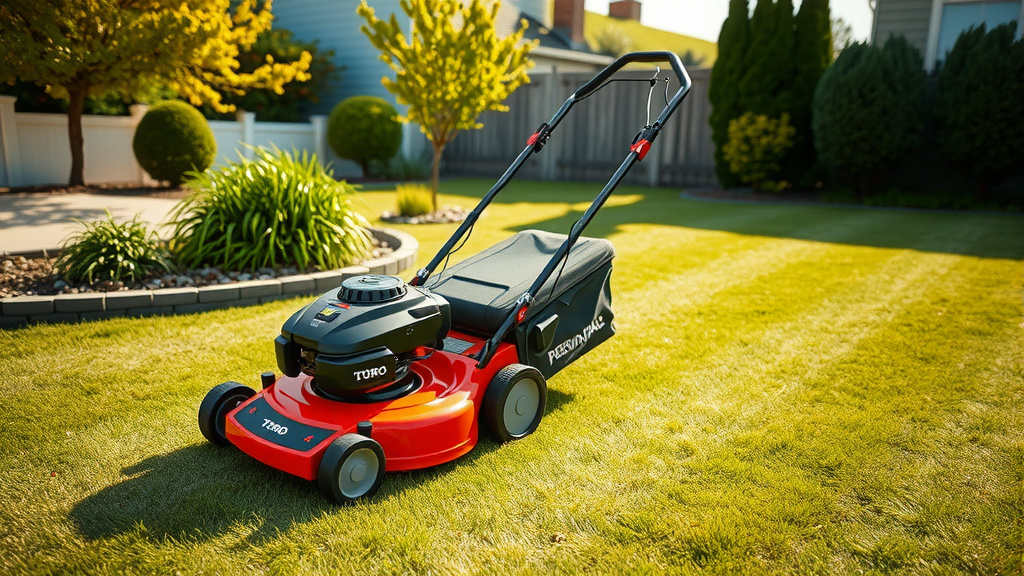
If your Toro Personal Pace lawn mower isn’t working, first check the drive cable for proper tension and connection. Often, issues with the self-propel system stem from a loose or damaged cable, preventing the mower from moving forward.
Next, inspect the drive belt for wear or breakage, as a compromised belt can prevent the Personal Pace system from engaging effectively, causing your Toro Personal Pace lawn mower to lose its vital self-propel function.
- The Toro Personal Pace system relies on a well-adjusted drive cable and an intact drive belt for smooth operation.
- Loss of self-propel usually points to problems with the drive belt, the tensioning cable, or sometimes the transmission itself.
- Engine starting issues commonly involve the spark plug, air filter, or stale fuel that can prevent your mower from running.
- Regular cleaning and maintenance, including checking oil and fuel, can prevent many common mower breakdowns before they start.
How To Fix Toro Personal Pace Lawn Mower?
Fixing your Toro Personal Pace lawn mower often involves straightforward troubleshooting. You’ll typically find the root cause by examining the drive system, engine components, and cutting deck for common issues that affect performance.
Understanding Your Personal Pace System
The Toro Personal Pace system is a fantastic feature, adapting to your walking speed. It makes mowing less strenuous! But like any mechanical system, it can encounter hiccups. When your mower isn’t moving as it should, it’s usually an issue with the drive system components.
Diagnosing Self-Propel Issues
Does your mower feel sluggish, or has it stopped pulling itself forward? This is a clear sign that the Personal Pace system needs attention. Many owners experience this, and it’s often a simple fix you can handle at home.
Checking the Drive Cable
The drive cable is like the communication line for your Personal Pace. It connects the handle to the transmission. If it’s too loose or damaged, your mower won’t engage properly. We found that this is a frequent culprit for self-propel problems that many users face.
Adjusting Cable Tension
You can usually find an adjuster on the cable near the handle. Try tightening it slightly. A good rule of thumb is to have just a little slack, but not so much that the system doesn’t engage. Be careful not to overtighten, or the drive system might engage even when you don’t want it to.
Inspecting for Cable Damage
Look along the entire length of the cable. Are there any kinks, frays, or breaks? A damaged cable needs replacing. Research shows that neglecting a frayed cable can lead to complete system failure (Consumer Reports), halting your mowing progress.
Examining the Drive Belt
Underneath your mower deck, a drive belt transmits power from the engine to the wheels. Over time, these belts can wear out, stretch, or even break. This is another primary suspect for Personal Pace troubles, impacting the mower’s ability to move.
Checking for Wear and Tear
Turn off your mower, disconnect the spark plug, and tilt it onto its side (carburetor side up to avoid fuel spills). Locate the drive belt. Look for cracks, glazing, or missing chunks. A glazed belt appears shiny and smooth and often slips under load, reducing traction.
Replacing a Worn Belt
If the belt is worn or broken, it’s time for a new one. This is a moderate DIY task. Many experts suggest taking a photo before removal to remember the routing. Using the correct replacement belt is essential for proper operation (Toro service manuals) and longevity.
Investigating the Transmission
While less common, sometimes the transmission itself can fail. This usually presents as a complete loss of drive, even with a good cable and belt. It’s often a more involved repair that requires careful attention.
Signs of Transmission Issues
If your belt and cable are fine, but there’s still no drive, or you hear grinding noises, it might be the transmission. Many experts recommend consulting a qualified service technician for transmission issues, as they can be complex and require specialized tools.
Addressing Engine Starting Problems
Sometimes, the mower’s engine simply won’t start, preventing any movement at all. This isn’t strictly a Personal Pace issue, but it stops your mowing in its tracks! Let’s cover some quick engine checks to get you back on track.
Spark Plug Check
A dirty or faulty spark plug is a common reason for a non-starting engine. Remove the plug, inspect its condition, and clean or replace it. A clean, properly gapped spark plug ensures a strong, consistent spark, vital for ignition.
Air Filter Inspection
A clogged air filter starves the engine of air, leading to poor performance or preventing it from starting. Remove and clean or replace your air filter. We found that a clean air filter improves fuel efficiency and contributes to a longer engine life.
Fuel System Cleanliness
Stale fuel or a clogged carburetor jet can also prevent starting. Always use fresh fuel, and consider a fuel stabilizer. If your mower has been sitting, draining old fuel and adding new can often revive a sluggish engine effectively.
Troubleshooting Common Mower Symptoms
Here’s a quick guide to common issues and where to look first. This table helps you quickly narrow down the possibilities. Remember to always turn off the mower and disconnect the spark plug before inspecting any components to ensure your safety.
| Symptom | Possible Cause | First Step |
|---|---|---|
| Mower won’t self-propel | Loose/broken drive cable, worn/broken drive belt | Check cable tension, inspect belt for damage |
| Engine starts but dies quickly | Clogged air filter, stale fuel, dirty spark plug | Clean/replace air filter, add fresh fuel |
| Mower cuts unevenly | Dull blade, incorrect deck height, bent blade | Sharpen/replace blade, adjust deck height |
| Excessive vibration | Bent blade, loose blade bolts, unbalanced engine | Inspect blade, tighten bolts, consult a professional |
Essential Pre-Mow Checklist
Before you even pull the start cord, a quick check can prevent many headaches. Think of it as your mower’s daily health check! This small routine can save you time and frustration in the long run.
- Check Oil Level: Ensure it’s between the “add” and “full” marks on the dipstick.
- Inspect Fuel: Make sure it’s fresh and there’s enough fuel in the tank.
- Examine Blades: Look for dullness or damage that might affect cutting quality.
- Clear Deck: Remove any grass clippings or debris from underneath the deck.
- Verify Safety Features: Ensure the bail lever or any safety switches work correctly.
Conclusion
Troubleshooting your Toro Personal Pace lawn mower doesn’t have to be daunting. By systematically checking the drive cable, belt, and key engine components, you can often identify and resolve common issues yourself. Remember, regular maintenance is your best friend in keeping your mower running smoothly and reliably. If you’re ever unsure or facing complex issues, a professional technician is always a phone call away. You’ve got this!
What causes a Toro Personal Pace to stop working?
A Toro Personal Pace mower typically stops working due to issues with its self-propel system, such as a loose or damaged drive cable, a worn or broken drive belt, or less commonly, a transmission problem. Engine-related issues like a fouled spark plug, a clogged air filter, or old fuel can also prevent it from starting or running.
How do I adjust the drive cable on a Toro Personal Pace mower?
To adjust the drive cable, locate the adjuster near the mower’s handle or where the cable connects to the transmission. Turn the adjustment nut to increase or decrease tension. You want enough tension for proper engagement but not so much that the drive is always active. Always consult your owner’s manual for specific adjustment procedures.
Can I replace the drive belt on my Toro Personal Pace myself?
Yes, replacing the drive belt is a common DIY repair for many Toro Personal Pace owners. You’ll need to safely tilt the mower on its side (carburetor up), disconnect the spark plug, and often remove the blade and sometimes a cover to access the belt. Proper belt routing is crucial for the system to operate correctly after replacement.
Why is my Toro mower engine sputtering or dying?
Engine sputtering or dying often points to fuel or air delivery problems. This could be due to a clogged air filter, stale or contaminated fuel, a dirty spark plug, or a partially clogged carburetor jet. Ensuring fresh fuel, a clean air filter, and a healthy spark plug often resolves these performance issues.
When should I call a professional for my Toro mower repair?
You should call a professional if you’ve tried common troubleshooting steps without success, suspect a major engine problem, or believe there’s a transmission issue that you’re uncomfortable tackling. Repairs involving intricate engine components, advanced electrical diagnostics, or complex parts replacement are often best left to experienced service technicians.