
How Much Money Does A Lawn Mower Make?
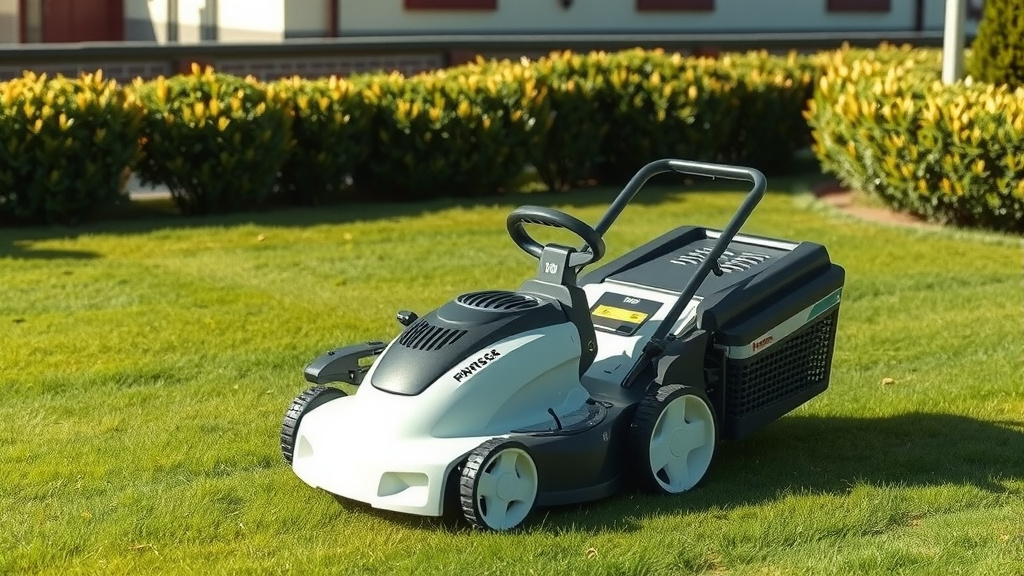
A lawn mower, operating as a small business owner, can typically make anywhere from $30,000 to over $70,000 annually, depending on various business factors.
Your income as a lawn mower is largely determined by your pricing strategy, the range of services you offer, and the size of your client base.
Thinking about starting a lawn care business or wondering about its earning potential? It’s a great question, isn’t it? Many people look at the green grass and see dollar signs, but how much can you truly make? Let’s cut through the fluff and get right to the real numbers.
Here’s a quick overview of what you will learn:
- Solo lawn care operators often begin earning between $30,000 and $50,000 per year.
- Well-established businesses, with employees, can reach $70,000 to $100,000+ annually.
- Your location, service menu, and pricing models greatly influence your take-home pay.
- Initial investment in quality equipment impacts early profit margins.
- Growing your client list and service offerings directly leads to higher income potential.
How Much Money Does A Lawn Mower Make?
You can make a significant income as a lawn mower, with average earnings varying widely based on your business model and dedication.
Understanding the Income Spectrum
The money a lawn mower makes isn’t a fixed amount. It’s a spectrum. On one end, you have the part-time individual. They might mow a few yards on weekends. This could bring in an extra few hundred dollars a month. Think of it as a nice side hustle, a way to boost your savings or pay for fun things.
Then, we move towards the full-time solo operator. This person is dedicated. They have a route, a consistent client list, and perhaps a small trailer. Research often shows these individuals can earn between $30,000 and $50,000 per year (Industry Surveys).
At the top of the spectrum are the owners of established lawn care companies. These businesses have multiple crews, offer a range of services, and manage many clients. They might employ several people. For these larger operations, annual revenue can easily exceed $100,000. Much of that revenue, of course, goes towards expenses. Your net profit is what truly matters.
Factors Shaping Your Earnings
Many things influence how much you can make. It’s not just about how many lawns you mow. Think of your business like a growing garden; many elements contribute to its health. Let’s look at what matters most.
Your Service Area and Location
Where you operate plays a big part. A bustling city with smaller yards might mean more clients in a compact area. A suburban neighborhood with larger properties might mean higher individual job prices. We found that urban areas often support higher hourly rates (Small Business Administration data).
Do people in your area value professional lawn care? Are they willing to pay a premium for convenience or expertise? A community with higher disposable income can often translate to better pricing power for you. It’s about finding your ideal customer base.
Experience and Skill Level
Just like any profession, experience matters. A seasoned lawn care professional brings more than just a mower. They bring knowledge of different grass types, pest control, and proper trimming techniques. This expertise allows you to charge more. Newcomers often start with competitive pricing to build a portfolio.
Think of it this way: would you rather hire someone who’s done it for years or a complete beginner? Your confidence and ability to deliver quality work will reflect in your rates. Many experts say a strong reputation can command 10-20% higher prices.
Types of Services You Offer
Mowing is just the start. The more services you add, the more income streams you create. Think beyond cutting grass. Do you offer seasonal cleanups? How about fertilization, aeration, or hedge trimming? These additions can turn a single client into a much larger source of revenue. It’s about being a one-stop shop for outdoor needs.
- Lawn Mowing and Edging
- Weed Control and Fertilization
- Aeration and Dethatching
- Shrub and Hedge Trimming
- Leaf Removal
- Seasonal Cleanups
- Small Landscaping Projects
Expanding your services can differentiate you from competitors. It also helps stabilize your income throughout the year. For instance, leaf removal is popular in fall, while aeration peaks in spring and fall. Diverse services mean consistent work.
Setting Your Pricing Strategy
How do you charge for your work? Hourly? Per job? By square footage? Each method has pros and cons. Hourly rates seem simple, but can you accurately estimate time? Per-job pricing offers clarity to the customer but requires good estimation skills. Many successful lawn care providers use a blend.
Consider your costs: fuel, equipment wear, insurance, and your time. Don’t undersell yourself. We found that successful businesses always factor in a healthy profit margin (Business Development Centers). Your prices need to cover expenses and provide you a living wage.
| Service Type | Average Price Range (Per Service) | Potential for Recurring Revenue |
|---|---|---|
| Standard Mowing | $40 – $70 | High (Weekly/Bi-weekly) |
| Fertilization Application | $50 – $100 | Medium (Seasonal) |
| Leaf Removal | $150 – $400+ | Low (Seasonal, per job) |
| Hedge Trimming | $75 – $250+ | Medium (Monthly/Quarterly) |
This table shows a general idea. Your local market rates will be important to confirm. Always research what competitors are charging in your specific area. This helps you stay competitive while also ensuring you’re not leaving money on the table. Finding the sweet spot for pricing is key.
Equipment Investment and Maintenance
You need good tools to do good work, right? Investing in reliable, professional-grade equipment is crucial. This includes mowers, trimmers, edgers, blowers, and perhaps a trailer. While costly upfront, quality equipment lasts longer and performs better. This means less downtime for repairs and more efficient work.
Factor in maintenance costs too. Blades need sharpening, oil changes are a must, and general wear and tear happens. Neglecting maintenance can lead to expensive breakdowns. Smart operators budget for these ongoing costs. It’s about protecting your business assets.
Marketing Your Lawn Mowing Business
How will people find you? A great service won’t bring clients if nobody knows about it. Simple marketing goes a long way. Think about local flyers, social media posts, or even a basic website. Word-of-mouth referrals are often your best advertising. Ask happy clients to spread the word.
Consider a small ad in local community groups online. Display your business name clearly on your truck or trailer. Make it easy for potential customers to contact you. A consistent presence helps build trust and recognition.
Checklist for Starting Strong:
- Define your services and target area.
- Research local competitor pricing.
- Invest in reliable, quality equipment.
- Obtain necessary insurance and licenses.
- Create a simple marketing plan.
- Set clear, competitive pricing.
Scaling Your Lawn Care Operation
If you’re making good money as a solo operator, you might wonder, “What’s next?” Scaling your business means growing. This could involve hiring help, buying more equipment, or expanding your service area. It means moving from being a “lawn mower” to a “lawn care business owner.”
Scaling can significantly increase your earnings, but it also introduces new challenges. You’ll manage employees, oversee more logistics, and potentially take on more debt for larger investments. It’s a bigger leap, but the rewards can be substantial.
Challenges and Solutions
No business is without its hurdles. Weather can be unpredictable, affecting your schedule and income. Equipment breaks down. Sometimes clients cancel. How do you handle these bumps? Plan for bad weather days, have a backup equipment strategy, and build good client relationships. Being proactive helps.
Another challenge is competition. What makes you different? Focus on excellent customer service, reliability, and quality work. These traits will always help you stand out from the crowd. Happy clients are loyal clients.
Seasonal Considerations for Income
Lawn care is often seasonal. In many regions, winter means slow business, or no business at all. How do you manage this? Diversify! Consider offering snow removal in colder months. Or offer indoor plant care, or other off-season services. This helps smooth out your annual income. Smart planning keeps your business healthy year-round.
Conclusion
So, how much money does a lawn mower make? As you can see, the answer isn’t a single number. It truly depends on your ambition, how you structure your business, and the effort you put in. Whether you aim for a solid side income or a thriving enterprise, the lawn care industry offers significant earning potential for those willing to learn, adapt, and work hard. With careful planning and a customer-first approach, you can certainly carve out a very successful and rewarding career.
Can I make a full-time living from lawn mowing?
Yes, absolutely. Many individuals operate full-time lawn care businesses and support themselves and their families. Success often comes from building a consistent client base, offering varied services, and managing your finances wisely.
What are the typical startup costs for a lawn care business?
Startup costs can range from a few hundred dollars for basic equipment (mower, trimmer, blower) to several thousand for professional-grade machinery, a truck, and a trailer. Budgeting for insurance and initial marketing is also smart.
Is a lawn mowing business profitable year-round?
In many regions, lawn mowing is seasonal. To maintain year-round profitability, consider offering winter services like snow removal, holiday light installation, or even indoor plant care. Diversifying your services helps stabilize your income.
How do I get my first lawn care clients?
Start with friends, family, and neighbors. Use local social media groups, post flyers in community areas, and offer an introductory discount. Excellent service for your first clients will also lead to valuable word-of-mouth referrals.
What insurance do I need for a lawn mowing business?
You will typically need general liability insurance. This protects you if you accidentally damage a client’s property or if someone is injured on the job. Many experts also suggest considering equipment insurance to protect your investment.
