
What You Need For A Lawn Mowing Business?
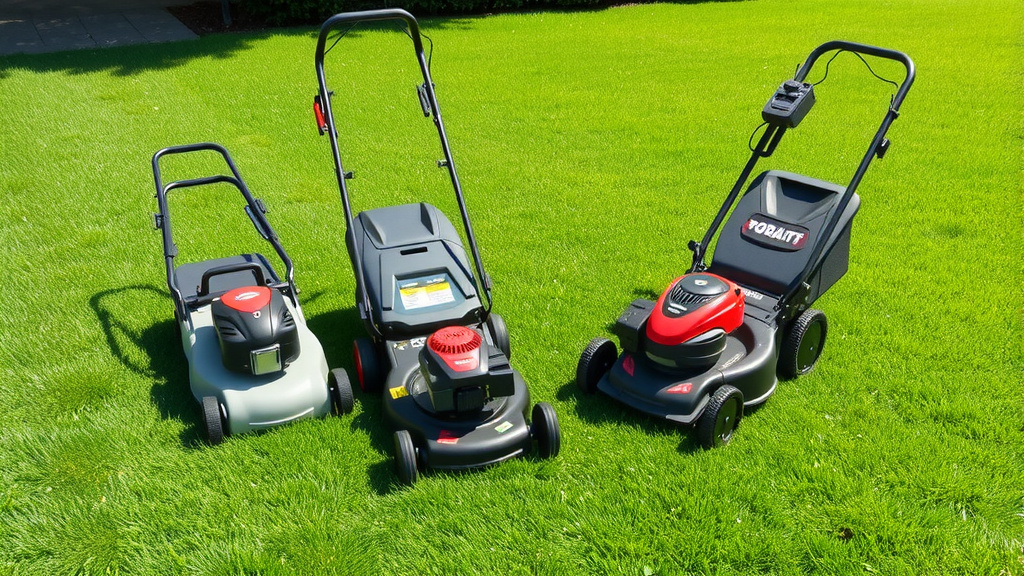
To launch a successful lawn mowing business, you primarily need commercial-grade equipment, proper legal setup, and a solid business plan.
This includes durable mowers, trimmers, blowers, along with essential insurance, business registration, and effective marketing strategies to attract clients.
Thinking about starting your own lawn care venture? It is a rewarding path, offering flexibility and direct customer interaction. Here’s a quick overview of what you will discover in this guide:
- Understand the core equipment needed for various yard sizes.
- Learn about the legal and financial steps to formalize your business.
- Explore how to effectively price your services and find your first clients.
- Get tips on managing growth and scaling your operations.
What You Need For A Lawn Mowing Business?
Starting a lawn mowing business requires a blend of physical tools, legal groundwork, and smart business practices. You will need more than just a mower; think about safety, efficiency, and professionalism from day one.
Getting Started: The Right Mindset
Before buying any equipment, consider your passion for outdoor work and serving others. A strong work ethic and a desire to deliver excellent service are your most valuable assets. You will be working in all kinds of weather, so resilience helps.
Do you enjoy seeing a well-kept lawn? That enjoyment can fuel your dedication. Many successful business owners share this love for their craft (Small Business Administration).
Essential Equipment: Your Mower Fleet
Your mowers are the heart of your operation. Choosing the right types depends on the properties you plan to service. Think about both small residential lawns and larger commercial spaces.
Push Mowers for Small Yards
For smaller lawns or tight spaces, a good quality push mower is essential. You might start with a self-propelled model to save energy. These are great for detail work or areas a larger mower cannot reach.
They are also a cost-effective starting point for any new business. Maintenance is generally straightforward, too.
Ride-On Mowers for Larger Areas
As your business grows and you take on bigger properties, ride-on mowers become a necessity. Zero-turn mowers are particularly popular for their speed and maneuverability. They can significantly cut down on mowing time.
Lawn tractors also work well, especially if you plan to offer additional services like towing small carts. Consider durability for commercial-grade use.
Here is a quick look at common mower types and their best uses:
| Mower Type | Best For | Key Benefit | Consideration |
|---|---|---|---|
| Push Mower (Self-Propelled) | Small to medium yards, tight spots | Cost-effective, good for detail | Slower for large areas |
| Zero-Turn Mower | Medium to large properties | Fast, highly maneuverable | Higher upfront cost |
| Lawn Tractor | Large yards, varied terrain | Versatile, can tow attachments | Less agile than zero-turns |
Beyond the Mower: Other Crucial Tools
A pristine lawn is more than just cut grass. You will need other tools to complete the job and leave clients impressed. These additions create a professional finish.
- String Trimmers (Weed Wackers): Essential for trimming around fences, garden beds, and obstacles. Choose a commercial model for reliability.
- Leaf Blowers: To clear clippings from driveways, patios, and sidewalks. Both handheld and backpack blowers are popular options.
- Edgers: For creating crisp, clean lines along sidewalks and driveways. This really elevates the look of a lawn.
- Hand Tools: Rakes, shovels, and hedge shears are always useful for cleanup and small tasks.
- Safety Gear: Eye protection, ear protection, gloves, and sturdy boots are non-negotiable for your well-being.
Transportation: Getting Your Gear Around
How will you move all your equipment from job to job? This is a practical question needing a clear answer. A reliable vehicle is vital.
Many new businesses start with a pickup truck. As you grow, a utility trailer becomes incredibly useful. It allows you to transport multiple mowers and tools efficiently (Entrepreneur magazine).
Business Basics: The Legal Side
Operating a legitimate business protects both you and your clients. Do not skip these important steps. They build trust and confidence.
First, register your business name. Next, obtain necessary licenses and permits for your area. Many experts recommend consulting with a local business advisor early on.
Crucially, secure adequate business insurance. This covers liability in case of accidents on client property or damage to equipment. It provides a vital safety net.
Financial Foundations: Pricing and Funding
Understanding your costs and how to price your services correctly is key to profitability. How much will your startup cost? How much should you charge?
Research local market rates for lawn care services. Consider your expenses, desired hourly wage, and the time each job will take. Many business guides point to transparent pricing as a good first step (Forbes).
Here is a basic startup cost checklist to consider:
- Mowers (push, ride-on)
- Trimmers, blowers, edgers
- Fuel cans and fuel
- Vehicle maintenance
- Trailer (if needed)
- Business registration fees
- Insurance premiums
- Marketing materials (cards, website)
- Initial safety gear
Marketing Your Mowing Service
Once you are set up, how will clients find you? You need a plan to spread the word about your excellent service. Start locally and expand.
Word-of-mouth is powerful in this industry. Offer a great service, and your happy clients will become your best advertisers. Consider flyers, social media, and a simple website. A professional appearance also helps build credibility.
Building Your Team (Eventually)
As demand grows, you might consider hiring help. This is a significant step that requires careful planning. You will need to think about payroll, training, and employee management.
Many successful businesses expand their team when they are consistently turning down work (Small Business Administration). Remember to maintain your high standards as you grow.
Conclusion
Starting a lawn mowing business offers a path to independence and connection with your community. It requires reliable equipment, diligent legal steps, and a passion for creating beautiful outdoor spaces. By focusing on quality work and smart business practices, you can cultivate a thriving service that keeps clients smiling. You have the tools and the guide; now, go make those lawns pristine!
What kind of insurance do I need for a lawn mowing business?
You will primarily need general liability insurance. This covers costs if you accidentally damage a client’s property or if someone gets hurt because of your business operations. Some regions might also require specific commercial auto insurance if you use a vehicle for work.
How do I set competitive prices for my lawn mowing services?
Start by researching what other lawn care businesses charge in your local area for similar services. Consider your operating costs, the time each job takes, and your desired profit margin. You might offer different pricing tiers or package deals to appeal to a wider range of clients.
Is it better to buy new or used lawn care equipment when starting out?
Buying used equipment can significantly lower your initial startup costs, making it a popular choice for new businesses. However, ensure any used equipment is in good working condition and budget for potential repairs. New equipment offers reliability and warranties, but at a higher price.
How can I find my first customers for a new lawn mowing business?
Begin with friends, family, and neighbors. Offer introductory discounts to gain initial clients and reviews. Use local marketing like flyers, social media groups, and community bulletin boards. A simple website or online listing can also make you discoverable.
What are common challenges for new lawn mowing businesses?
New lawn mowing businesses often face challenges like securing enough clients, managing equipment maintenance and repairs, and dealing with unpredictable weather. Learning efficient routing and time management are also common hurdles, but with persistence, they can be overcome.
