
How To Lower A Push Lawn Mower?
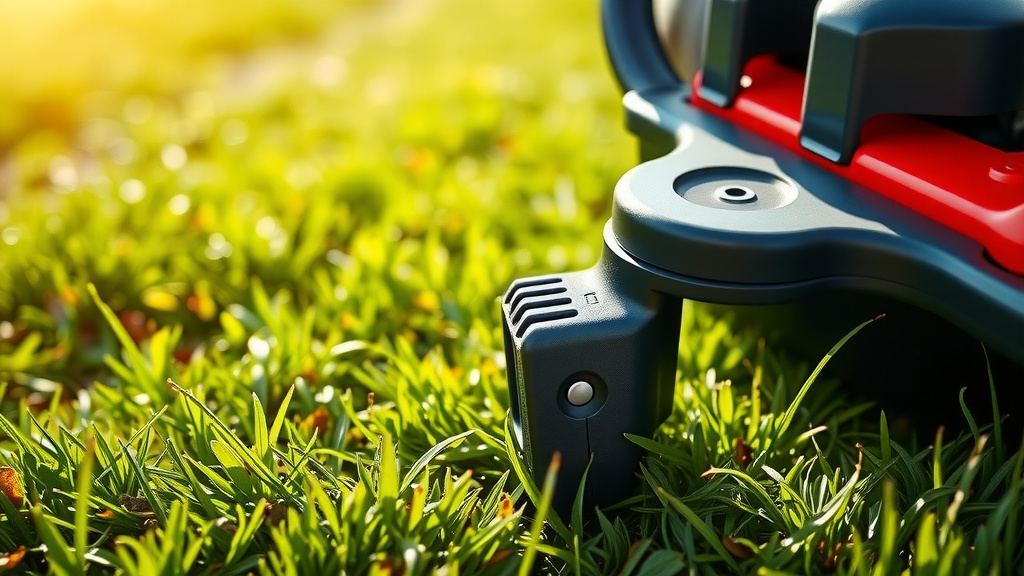
To lower a push lawn mower, you generally locate the height adjustment levers, typically found near each wheel or as a single central lever, and move them to a lower notch or setting. Always disconnect the spark plug for safety before making any adjustments.
Finding the right cutting height for your lawn can significantly impact its health and appearance, so learning to adjust your mower deck is a fundamental skill for any homeowner.
- To adjust your mower, always prioritize safety first by disconnecting the spark plug.
- Locate the height adjustment mechanism, which might be a single lever or individual wheel levers.
- Move the levers or pins to a lower cutting position, ensuring all wheels are set evenly.
- Verify the new height and then reconnect the spark plug before testing your mower.
- The ideal cutting height varies by grass type and season, usually between 2 to 3 inches.
How To Lower A Push Lawn Mower?
Lowering a push lawn mower involves adjusting the cutting deck or individual wheel heights to achieve a shorter grass cut. This simple process can **transform your lawn’s look**, but remember to always put safety first.
Why Even Think About Lowering Your Mower?
You might wonder, “Why would I want to cut my grass shorter?” Sometimes, you need a cleaner, more manicured look. Maybe your grass is growing too fast, or you are trying to **tackle stubborn weeds** more effectively. We found that a slightly lower cut can help promote a denser lawn, as long as it’s not too short (University of California Agriculture and Natural Resources).
Understanding Your Mower’s Height Adjustment System
Push mowers come with different ways to adjust their height. Knowing your mower’s specific system makes the job much easier. Do you know which type your mower uses?
Single Lever Adjustment
Many modern mowers feature a **single, central lever**. This lever connects to all four wheels or the entire deck. When you move it, all wheels adjust simultaneously, making height changes very quick and simple.
Individual Wheel Levers
Older or more basic models often have **separate levers at each wheel**. You need to adjust each wheel individually. This takes a little more time but gives you precise control over each corner of the mower.
Deck Adjustment Bolts/Pins
Some mowers, especially older walk-behind types, use **bolts or pins** to hold the deck at a certain height. You might need a wrench to loosen bolts or pull out pins, then reposition the deck, and secure it again. This is less common on newer push mowers.
Safety First: Your Essential Pre-Lowering Checklist
Before you even touch your mower, safety is paramount. We found that most lawn mower accidents happen during maintenance or fueling. So, let’s take a moment for safety.
-
Park your mower on a **flat, stable surface**.
-
Ensure the **engine is off and cool**.
-
**Disconnect the spark plug wire**. This prevents accidental starts.
-
Wear **sturdy gloves** to protect your hands.
-
Have your **owner’s manual handy** for specific instructions.
-
Check the **blade for sharpness** while you are down there.
Step-by-Step Guide to Adjusting Mower Height
Ready to lower that deck? It’s straightforward once you know the steps. Let’s walk through it together.
Park on a Flat Surface
Always start on a level surface. This helps ensure you get an **accurate height measurement** and keeps the mower stable while you work.
Engage the Brake and Disconnect Spark Plug
If your mower has a parking brake, engage it. Then, the most important safety step: **pull the spark plug wire** away from the spark plug. This stops the engine from accidentally starting while you are working near the blades.
Locate the Adjustment Mechanism
Look for the height adjustment levers or pins. As we discussed, these could be **near each wheel or a single central lever**. Your owner’s manual will show you exactly where they are.
Adjust Each Wheel or Lever
If you have individual levers, carefully pull each one outwards to release it, then move it to a lower notch. For a central lever, simply pull it and slide it down. Many experts say to **adjust one side first**, then the other, ensuring they match.
Verify the New Height
Once adjusted, take a step back and visually check if all sides are even. A small ruler can help you measure the **distance from the blade tip** to the ground, ensuring consistent cutting. Make sure the deck is level.
Reconnect and Test
After adjusting, reconnect the spark plug wire. Start your mower and test it on a small patch of grass. Does it **cut at the desired height**? Is the cut even? If not, simply repeat the process.
The Goldilocks Zone: Finding Your Ideal Mowing Height
Just like Goldilocks, you want a height that’s “just right.” Too short, and you stress the grass; too long, and it can look messy. Many experts agree that cutting no more than **one-third of the grass blade** at a time is ideal (Clemson University Extension). Here’s a quick guide for common grasses:
| Grass Type | Recommended Height Range | Notes |
|---|---|---|
| Kentucky Bluegrass | 2.0 – 3.0 inches | Prefers consistent height. |
| Tall Fescue | 2.5 – 3.5 inches | Drought tolerant, benefits from height. |
| Perennial Ryegrass | 2.0 – 3.0 inches | Fine texture, needs regular cuts. |
| Bermudagrass | 1.0 – 2.0 inches | Can handle lower cuts. |
| Zoysiagrass | 1.0 – 2.5 inches | Slow growing, tough blades. |
Common Mistakes to Avoid When Lowering Your Deck
It’s easy to make small errors, especially when you are new to this. Don’t worry, we all learn! A common mistake is **forgetting to adjust all wheels evenly**. This leads to an uneven cut, which no one wants.
Another pitfall is lowering the deck too much in a single go. We found that **sudden drastic changes** can shock your lawn, especially in hot weather. Aim for gradual adjustments if you need a significantly lower cut.
When NOT to Lower Your Mower Too Much
Sometimes, a lower cut isn’t the answer. If your lawn looks stressed, yellowing, or has thin patches, a very low cut will make it worse. Also, during **hot summer months**, a slightly taller blade provides shade for the soil, helping it retain moisture (Purdue University Extension). Don’t scalp your lawn, especially when it’s hot!
Maintaining Your Mower for Consistent Cuts
A well-maintained mower always performs better. Regularly check that your **mower blades are sharp**. Dull blades rip and tear the grass, leading to a ragged, unhealthy look, no matter your height setting. Also, keep the underside of your deck clean. Built-up grass clippings can affect cutting quality and even cause rust.
Conclusion
Adjusting your push lawn mower’s height is a simple yet impactful task for any homeowner. By following these clear steps and prioritizing safety, you can easily lower your mower to achieve the perfect cut for your lawn. Remember to always **disconnect the spark plug**, know your mower’s adjustment system, and find that “Goldilocks Zone” for grass health. A little care and attention go a long way in keeping your lawn looking its best all season long!
How low can I cut my grass?
The lowest you should cut your grass depends entirely on the grass type and the season. While some warm-season grasses like Bermudagrass can handle cuts as low as 1 inch, most cool-season grasses (like Kentucky Bluegrass) prefer to stay between 2 to 3 inches. Cutting too low can stress the grass, making it more susceptible to weeds and disease.
What are the signs I cut my grass too short?
If you’ve cut your grass too short, you might notice the lawn looking yellow or brown shortly after mowing, especially in patches. The grass blades might appear shredded or torn rather than cleanly cut. This “scalping” exposes the soil to more sunlight, leading to moisture loss and potentially encouraging weed growth.
Should I lower my mower height for the first cut of the season?
Many experts suggest gradually lowering your mower for the first cut, rather than going to your lowest setting immediately. Aim to cut at a moderate height initially. This allows the grass to adjust. You can then progressively lower it over subsequent mowings if a shorter cut is desired, always observing the “one-third rule.”
Does lowering the mower height affect its engine performance?
Yes, lowering your mower height can sometimes affect engine performance. When you cut grass shorter, the blades encounter more resistance if the grass is thick. This extra strain can make the engine work harder, potentially leading to bogging down or reduced fuel efficiency. Ensuring your blade is sharp helps mitigate this.
How often should I check my mower’s cutting height?
You should check your mower’s cutting height each time you mow, or at least before the first cut of a new season. Different seasons might call for different heights – taller in summer for drought protection, slightly shorter in spring or fall. It’s a quick check that ensures consistent lawn health and appearance.
