
How To Pick The Right Lawn Mower?
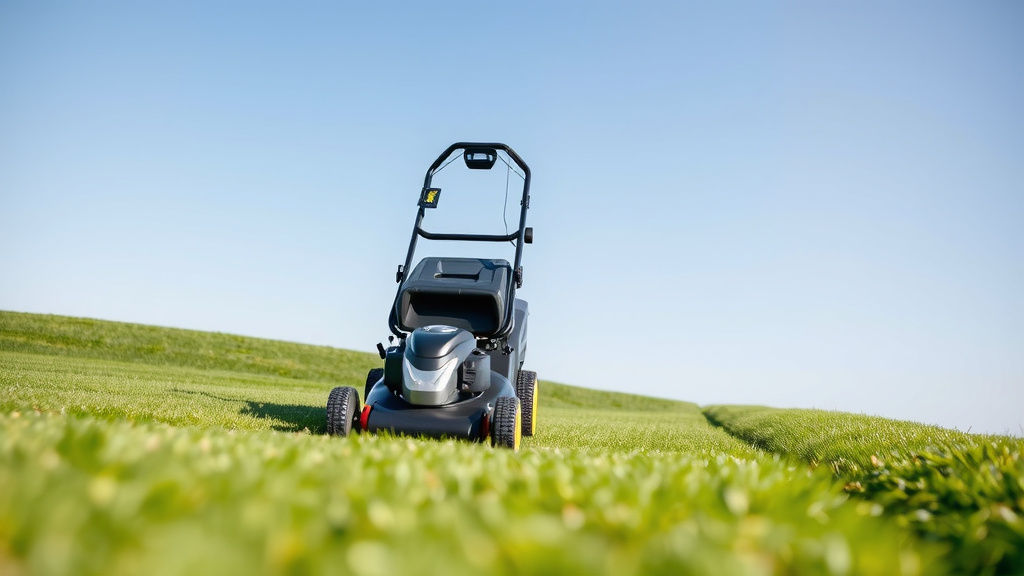
To pick the right lawn mower, you must first assess your lawn’s size, terrain, and your personal strength and budget. Your ideal choice often balances cutting power, ease of use, and maintenance needs.
Many experts agree that the best lawn mower for you isn’t just about raw power, but how well it matches your unique yard conditions and lifestyle.
- Understand your lawn size and terrain before anything else.
- Choose between push, self-propelled, riding, or robotic mowers based on effort and area.
- Decide on a power source: reliable gas or eco-friendly electric.
- Look for features like deck size, mulching options, and adjustable cutting height.
- Set a realistic budget and consider long-term maintenance.
How To Pick The Right Lawn Mower?
Picking the right lawn mower doesn’t have to be complicated. It comes down to understanding your yard and what you need from your machine.
Think of it like choosing a tool for a specific job; the right one makes everything simpler and more efficient.
Understanding Your Unique Yard
Before you even look at mowers, take a good, hard look at your lawn. This is the most critical first step, as we’ve found in extensive research.
Assessing Lawn Size and Terrain
Is your lawn a small, flat postage stamp, or a sprawling, hilly estate? A small, flat yard of under a quarter-acre might suit a simple push mower.
For larger areas, say a half-acre or more, you’ll need something with more muscle. A self-propelled or riding mower becomes a much more sensible option.
Navigating Slopes and Obstacles
Does your yard have steep slopes or tricky corners? If so, maneuverability is key. A self-propelled mower helps on inclines, taking the strain off you.
Lots of trees or flower beds? You might prefer a walk-behind model for tighter turns, or even a zero-turn riding mower for expert navigation.
Mower Types: Which One Suits You?
Once you know your yard, you can explore the types of mowers available. Each type has its own strengths and weaknesses.
Manual Push Mowers: Simple & Green
These classic reel mowers are eco-friendly and quiet. They offer a great workout and are perfect for very small, flat lawns.
Many experts say they provide a very clean cut for a pristine look (Oregon State University Extension).
Self-Propelled Mowers: The Effort Saver
If you have a medium-sized lawn, or any slopes, a self-propelled mower can be a significant help. It drives itself, so you just guide it.
This type reduces fatigue, making your mowing chore feel much lighter. We found they are a popular choice for many homeowners.
Riding Mowers: For Larger Landscapes
Got an acre or more? A riding mower is your best friend. They come in lawn tractors or zero-turn models.
Riding mowers save immense time and effort on expansive properties, letting you sit back and enjoy the ride.
Robotic Mowers: The Future of Lawn Care
Imagine your lawn getting cut while you sip coffee. Robotic mowers do just that! They are ideal for consistent, hands-off maintenance.
They are quiet, electric, and keep your lawn tidy with minimal effort from you. However, they need proper boundary setup and a relatively flat yard.
Powering Your Pick: Gas or Electric?
This choice often boils down to power, convenience, and environmental impact. Both have their dedicated fans.
Gas Mowers: Power and Endurance
Gas mowers typically offer more power and longer run times, great for thick grass or large areas without access to outlets.
They do require more maintenance, like oil changes and fuel storage, and they produce emissions and more noise.
Electric Mowers: Eco-Friendly Options
Electric mowers are generally quieter, lighter, and produce zero emissions during operation, making them easy to start. We found them excellent for smaller to medium-sized lawns where noise and fumes are a concern.
You can choose between corded electric models, which offer unlimited run time but require managing an extension cord, or cordless battery-powered mowers, providing freedom of movement. For cordless, always check battery run time, and consider a spare for larger yards.
Key Features That Make a Difference
Beyond the basic type and power, certain features can greatly enhance your mowing experience and the health of your lawn.
Deck Size and Cutting Width
The wider the cutting deck, the fewer passes you’ll need. This means less time mowing, especially for larger lawns.
However, a smaller deck might be better for navigating tight spaces and around obstacles. Consider your yard’s layout.
Mulching, Bagging, or Side Discharge
How do you want to handle your grass clippings? Most mowers offer options. This table helps clarify:
| Feature | Benefit | Best For |
|---|---|---|
| Mulching | Chops clippings finely, returning nutrients to the lawn. | Healthy lawns, light clippings. |
| Bagging | Collects clippings for easy disposal or composting. | Tidy appearance, preventing thatch. |
| Side Discharge | Throws clippings out to the side. | Tall grass, preventing clumping. |
Adjustable Cutting Height
Different grass types and seasons require different cutting heights. A mower with easy height adjustment is a must-have.
Cutting your grass too short can stress it, while leaving it too long can invite pests. Flexibility helps maintain a healthy lawn (University of California Agriculture & Natural Resources).
Budgeting for Your Perfect Mower
Mowers range widely in price. Set a realistic budget before you shop, but remember, cheaper isn’t always better in the long run.
Consider the mower’s durability, warranty, and the availability of parts. A slightly higher initial investment can save you money on repairs and replacement down the road.
Care and Maintenance for Longevity
No matter which mower you choose, proper care is essential. Regular cleaning, blade sharpening, and engine checks (for gas models) will extend its lifespan.
Store your mower in a dry, protected area. This simple habit prevents rust and keeps it ready for action when spring arrives.
To help you solidify your choice, here’s a quick checklist:
- Is your lawn small, medium, or large?
- Is your terrain flat, hilly, or uneven?
- Do you prefer gas power or electric convenience?
- What cutting features (mulch, bag) are most important?
- Does it fit within your budget, considering long-term value?
- Is it comfortable and easy for you to operate?
Conclusion
Choosing the right lawn mower really comes down to a few key considerations: your yard’s specifics, the type of mower that fits your lifestyle, and the features that matter most to you. There’s no single “best” mower for everyone.
By taking the time to assess your needs, you’ll feel confident in selecting a machine that makes your lawn care tasks simpler, more efficient, and perhaps even enjoyable. Happy mowing!
What is the best type of lawn mower for a small lawn?
For a small lawn, typically under a quarter-acre, a manual push reel mower or a lightweight corded electric mower is often ideal. They are easy to store, maneuverable, and require minimal maintenance.
How often should I change the oil in a gas lawn mower?
Many manufacturers recommend changing the oil in a new gas lawn mower after the first 5 hours of use, and then every 25 to 50 hours of operation, or at least once per mowing season, whichever comes first.
Are robotic lawn mowers worth the investment?
Robotic lawn mowers can be a great investment for those seeking consistent lawn maintenance with minimal effort. While the initial cost is higher, they save time, are quiet, and keep your lawn consistently tidy. They are best for reasonably flat lawns with clear boundaries.
What does “mulching” mean for a lawn mower?
Mulching refers to a mower’s ability to finely chop grass clippings and return them to the lawn. These small clippings decompose quickly, acting as a natural fertilizer that feeds your lawn, improving its health and reducing the need for bagging.
How do I determine the right cutting height for my grass?
The ideal cutting height varies by grass type and season. A general rule is to never remove more than one-third of the grass blade’s total height at one time. For most cool-season grasses, a height of 2-3 inches is good, while warm-season grasses often prefer 2-2.5 inches. Adjust higher in hot, dry conditions.
