
Will A Lawn Mower Pick Up Acorns?
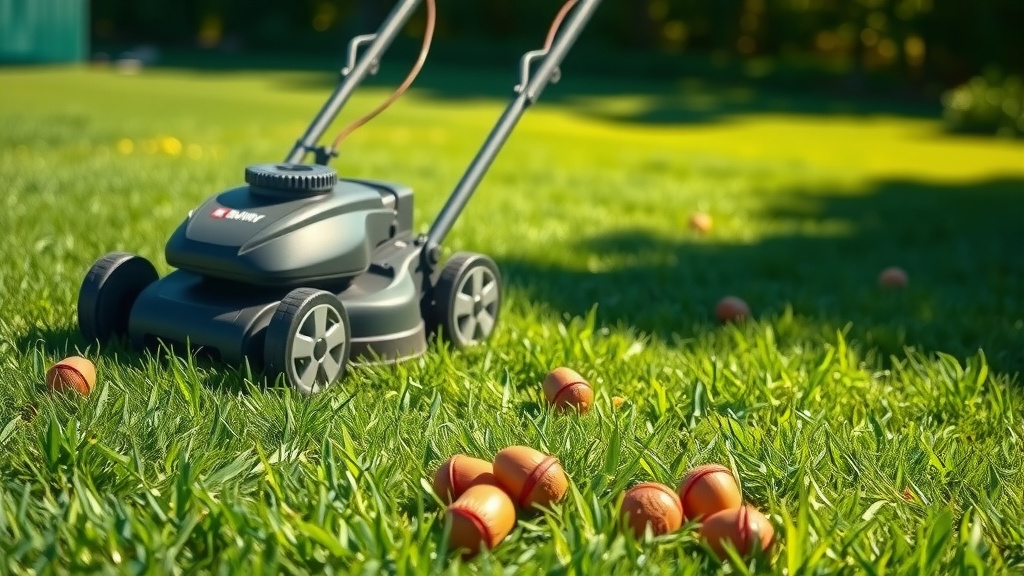
A lawn mower can pick up acorns, but it’s generally not recommended for the health of your machine or the quality of your lawn.
While smaller acorns might be mulched, larger ones can cause significant damage to your mower’s blades, engine, and create dangerous projectiles.
Here’s a quick overview of why mowing over acorns is a practice you might want to avoid:
- Your mower’s blades can become dull and chipped quickly.
- It places unnecessary strain on the engine, leading to wear.
- Acorns can be ejected at high speeds, posing a safety risk.
- They can clog your mower’s discharge chute, causing operational issues.
- Removing acorns first protects your equipment and ensures a cleaner cut.
Will A Lawn Mower Pick Up Acorns?
Yes, your lawn mower can certainly pick up acorns. But the better question is, should it? We found that letting your mower tackle a field of acorns often creates more problems than it solves.
Think of it like trying to chop wood with a butter knife; it might work a little, but it’s not the right tool for the job. You want to keep your lawn looking great and your mower running smoothly, right?
Why Mowing Over Acorns Is Risky Business
You might think, “Oh, it’s just a few nuts!” But even a small number of acorns can pose big problems for your lawn mower and safety. Many experts say it’s a practice best avoided to preserve your equipment.
Consider the impact on your mower’s internal parts and the potential hazards in your yard. It’s more than just a minor inconvenience; it’s about prolonging your mower’s life and keeping you safe.
The Blade Blight: Dullness and Damage
When your mower blades hit hard acorns, they don’t just magically disappear. Instead, the blades can become dull very quickly. A dull blade tears grass instead of cutting it cleanly, which can make your lawn look ragged and unhealthy.
Worse yet, continuous impact can chip or bend the blades. Damaged blades can create an unbalanced spin, leading to vibrations and potentially more serious mechanical issues. Replacing or sharpening blades takes time and money (Consumer Reports).
Engine Strain and Overheating Worries
Pushing your mower through a thick carpet of acorns is like asking it to run a marathon uphill. The engine has to work much harder to chop and eject these hard objects. This extra effort causes significant engine strain.
Over time, this strain can lead to overheating, accelerated wear and tear on engine components, and even premature engine failure. Nobody wants to buy a new engine before its time, do they?
Projectile Peril: Safety First
Perhaps the most concerning risk is safety. Acorns are small, hard projectiles. When struck by a fast-spinning mower blade, they can be launched at extremely high speeds. Imagine a tiny, hard missile flying through your yard.
These projectiles can cause serious injury to you, bystanders, pets, or even damage nearby property like windows or cars. Always prioritize safety in your lawn care routine (OSHA guidelines).
Clogging and Cleanup Headaches
A large volume of acorns can easily overwhelm your mower’s discharge chute. They get jammed, causing your mower to slow down or even stop. This means you have to constantly clear the chute, interrupting your mowing rhythm.
Beyond the chute, acorns can get stuck in other parts of the deck, creating a messy cleanup job after you’re done. It adds unnecessary time and effort to your lawn maintenance schedule.
What Kind of Mower Are You Using?
The type of lawn mower you own plays a big role in how it handles—or rather, mishandles—acorns. Not all mowers are built the same, and their design dictates their reaction to these tiny tree nuts.
Understanding your specific mower’s capabilities helps you make better decisions. It’s about matching the tool to the task, even when that task involves nuisance acorns.
Rotary Mowers vs. Reel Mowers and Acorns
Most homeowners use rotary mowers, which have a horizontal blade that spins rapidly. These are the mowers that typically encounter acorns and, as discussed, can suffer damage or turn acorns into projectiles.
Reel mowers, with their scissor-like cutting action, are generally even less suitable for acorns. Acorns can easily jam the reel mechanism, causing immediate stops and potential damage. We found that reel mowers are best kept on pristine, debris-free lawns.
Bagging vs. Mulching: An Acorn Dilemma
If your mower is set to bag, it might collect some smaller acorns along with the grass clippings. However, this still stresses the blades and engine. Plus, those hard acorns can damage the inside of your bagging chute.
With a mulching mower, the goal is to chop grass into fine pieces. Acorns are much harder and bigger than grass. They either get mulched poorly, clogging the deck, or they cause blade and engine damage as they resist the mulching action.
The Best Ways to Handle Acorns Before Mowing
Prevention is key when dealing with acorns. Clearing them before you mow is the smartest move for your lawn and your equipment. You have several practical options to choose from.
Choosing the right method depends on the size of your yard and the density of the acorn fall. Let’s look at some effective strategies.
Good Old Raking: A Simple Solution
Sometimes, the simplest tools are the most effective. A sturdy rake can clear large areas of acorns quickly and efficiently. It’s a bit of a workout, but it guarantees a clear path for your mower.
Many homeowners find raking to be a satisfying and eco-friendly way to prepare their lawn. Plus, it gets you outside for some fresh air!
Leaf Blowers: Power Through the Pile
For those with larger yards or a heavy acorn drop, a leaf blower can be a real time-saver. You can quickly blast acorns into manageable piles, then scoop them up or direct them to a wooded area. This is a very efficient solution for quick clearance.
Consider using a backpack blower for extended use, as they often offer more power and comfort. Always wear eye and ear protection when operating a leaf blower.
Acorn Sweepers and Nut Gatherers
Did you know there are tools specifically designed for collecting nuts and small fruits? These clever devices, often called acorn sweepers or nut gatherers, roll over your lawn and pick up acorns. They are a fantastic alternative if you have many oak trees.
They save your back from bending and make the task surprisingly enjoyable. We found these tools to be especially helpful for consistent acorn falls.
| Method | Pros | Cons |
|---|---|---|
| Raking | Inexpensive, good exercise, very thorough. | Time-consuming for large areas, labor-intensive. |
| Leaf Blower | Fast for large areas, less physical strain. | Can be noisy, requires fuel/electricity, not good for wet acorns. |
| Acorn Sweeper | Efficient for nuts, easy on the back, enjoyable. | Upfront cost, might miss some tiny acorns or debris. |
What If You Have Just A Few Acorns?
Sometimes, only a handful of acorns drop onto your lawn. You might be tempted to just mow over them. While it’s better to clear them, a very sparse scattering may not cause immediate, severe damage.
However, it’s still a gamble. Even one acorn can cause a blade nick or become a projectile. If you notice even a few, it’s always safer to kick them aside or pick them up by hand before mowing.
Seasonal Acorn Management Tips
Acorns aren’t a year-round problem, but they can be a big seasonal headache. Proactive management during the fall can save you a lot of trouble. We found that consistency is your best friend here.
Here’s a simple checklist to keep your lawn clear during peak acorn season:
- Clear Regularly: Don’t let acorns build up; clear them every few days.
- Target Drop Zones: Focus on areas directly under oak trees.
- Use Proper Tools: Choose the best method for your specific situation.
- Consider Mulching Leaves Separately: If you have leaves and acorns, remove acorns first.
- Safety Gear Always: Wear eye protection even when raking or blowing.
Conclusion
While a lawn mower technically can pick up acorns, it’s a practice best avoided for several important reasons. Doing so puts your mower’s blades and engine at risk, creates potential safety hazards, and can lead to a less-than-perfect lawn finish.
Instead, embrace one of the many effective methods for clearing acorns before you mow. Whether you choose to rake, blow, or sweep, taking those extra steps will protect your equipment, ensure your safety, and help you maintain a truly beautiful and healthy lawn. You’ll thank yourself later for being proactive!
What kind of damage can acorns do to a lawn mower?
Acorns can cause various types of damage, including dulling or chipping your mower blades, straining the engine, and potentially bending the crankshaft. Repeated impact can lead to costly repairs and reduce your mower’s overall lifespan.
Is it safer to use a bagger when mowing over acorns?
Using a bagger might collect some acorns, but it doesn’t eliminate the risk. The acorns still hit the blades with force, causing potential damage, and can clog the bagging chute. Safety risks from projectiles also remain, as some acorns might escape the bagging system.
Can acorns damage my lawn if I mow over them?
Yes, indirectly. When your mower blades become dull from hitting acorns, they tear grass blades instead of cutting them cleanly. This ragged cut can stress the grass, making it more susceptible to diseases and giving your lawn an uneven, unhealthy appearance.
Are there any lawn mowers designed to handle acorns effectively?
Generally, no standard lawn mowers are specifically designed to effectively handle large quantities of acorns without risk of damage. Mowers are built for cutting grass. For heavy acorn falls, specialized nut gatherers or leaf vacuum systems are far more appropriate tools.
How often should I clear acorns during peak season?
During peak acorn season (typically fall), it’s best to clear your lawn every few days, especially before mowing. This prevents a large buildup that can be harder to manage and reduces the temptation to mow over them. Regular clearing keeps your lawn cleaner and safer.
