
How To Attach Trailer To Lawn Mower?
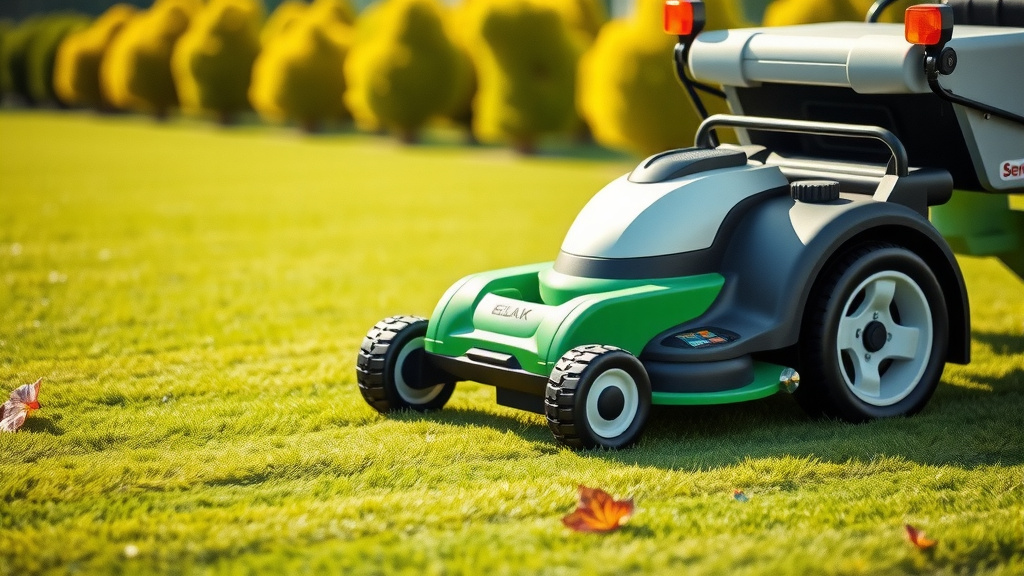
To attach a trailer to your lawn mower, align the trailer’s tongue with the mower’s hitch plate, then insert a hitch pin through the corresponding holes. Secure the pin with a cotter pin or clip to prevent accidental detachment, ensuring a safe connection.
Always check your lawn mower’s owner’s manual for specific weight limits and attachment guidelines before attempting to pull any trailer, keeping safety as your top priority for both your equipment and yourself.
- You can attach a trailer to most riding lawn mowers by using a pin hitch.
- Always verify your mower’s towing capacity and ensure the trailer matches.
- The process involves aligning the trailer tongue, inserting a pin, and securing it.
- Safety is key: check the hitch, balance the load, and drive slowly.
- Regular inspection of your hitch connection helps keep you safe during yard tasks.
How To Attach Trailer To Lawn Mower?
Attaching a trailer to your lawn mower typically involves a straightforward process: you will connect the trailer’s tongue to the mower’s hitch plate using a pin, then secure it.
Why Attach a Trailer? Your Yard Work Game-Changer
Ever wish you had an extra set of hands or a bigger wheelbarrow for yard work? Attaching a trailer to your lawn mower can transform your outdoor tasks. It makes moving heavy or bulky items a breeze.
Hauling Made Easy
Imagine effortlessly moving bags of mulch, gardening tools, or even firewood across your property. A trailer turns your lawn mower into a versatile utility vehicle, saving you time and effort. We found that many homeowners discover a new level of convenience.
Save Your Back
No more straining your back with multiple trips or heavy lifting. Let your mower and trailer do the heavy lifting for you. It’s about working smarter, not harder, and protecting your physical well-being (OSHA guidelines often stress proper lifting techniques).
Before You Begin: The Pre-Attachment Checklist
Before you even think about backing up that trailer, a few checks can save you headaches later. Taking a moment to prepare will ensure a smooth and safe experience. Don’t skip these simple steps.
- Is Your Mower Ready?
- Check your lawn mower’s owner’s manual for towing capacity.
- Locate the hitch plate, usually at the rear of the mower.
- Ensure your tires are properly inflated for stability.
- Trailer Compatibility Check
- Verify the trailer hitch type matches your mower’s connection.
- Inspect the trailer tires and ensure they are in good condition.
- Confirm the trailer’s weight (when loaded) is within your mower’s limits.
- Safety First, Always
- Wear appropriate safety gear like gloves and sturdy shoes.
- Make sure the mower engine is off and the parking brake is engaged.
- Clear the area around the mower and trailer.
Understanding Trailer Hitches: Types You’ll See
Not all trailer hitches are created equal. Knowing the common types helps you pick the right one for your needs. Most lawn mowers use simple, effective hitch designs.
Pin Hitch (Standard)
This is the most common type for lawn mower trailers. It uses a simple metal pin that slides through holes in the trailer tongue and mower hitch plate. It’s easy to use and widely compatible with utility carts.
Ball Hitch (More Secure)
Some heavier-duty lawn tractors or utility vehicles may use a ball hitch, similar to what you see on cars. This offers a more secure connection but requires a specific hitch ball mounted to your mower. Many experts say a ball hitch provides better stability for heavier loads.
Receiver Hitch (Versatile)
Less common for standard lawn mowers, but some advanced garden tractors have a receiver hitch. This square opening allows you to insert various attachments, including ball hitches or specialized tools. It offers flexibility for different tasks.
Step-by-Step Guide: Attaching a Pin-Style Trailer
Let’s walk through the most common method: connecting a pin-style trailer. This process is generally quick and easy. You’ll be ready to haul in just a few moments after following these steps.
Step 1: Park and Prepare Safely
First, park your lawn mower on a flat, level surface. Turn off the engine and engage the parking brake. This ensures the mower won’t roll or accidentally start during the attachment process. Safety is truly a priority here.
Step 2: Align the Trailer Tongue
Carefully back up your lawn mower until the hitch plate is directly aligned with the trailer’s tongue. The tongue is the front bar of the trailer that extends forward. You might need to make small adjustments to get the holes lined up perfectly.
Step 3: Insert the Hitch Pin
Once aligned, take your hitch pin and slide it through the hole in the trailer tongue, and then through the corresponding hole in your mower’s hitch plate. Make sure the pin goes all the way through both pieces. This creates the essential connection.
Step 4: Secure with a Cotter Pin or Clip
After inserting the main hitch pin, use a cotter pin, R-clip, or hair-pin clip to secure it. This small piece goes through a smaller hole at the end of the hitch pin, preventing it from shaking loose during operation. This step is small yet incredibly important for safety.
Step 5: Double-Check Everything
Give the trailer tongue a gentle tug and push to confirm it’s securely attached. Check that the hitch pin and cotter pin are firmly in place. Many experienced users confirm this final check can avoid mishaps later on.
What About a Ball Hitch Trailer?
If your mower or tractor is equipped for a ball hitch, the process is similar but with a different connection point. You’ll back the mower’s ball hitch directly under the trailer’s coupler, then lower the coupler onto the ball. Secure it by latching the coupler down and inserting a safety pin through the latch mechanism. This creates a very firm connection.
Ball Hitch Vs. Pin Hitch: Quick Look
Understanding the differences can help you choose the right setup for your tasks. We’ve compiled a quick comparison to show key features and benefits of each hitch type.
| Feature | Pin Hitch | Ball Hitch |
|---|---|---|
| Ease of Attachment | Very simple, quick pin insertion. | Requires careful alignment, latching mechanism. |
| Security & Stability | Good for light loads, some play possible. | Highly secure, minimal play, ideal for heavier loads. |
| Compatibility | Most standard lawn mower utility trailers. | Heavier garden tractors, specific trailer couplers. |
| Cost | Generally lower cost for pins/trailer. | Higher initial cost for hitch ball and coupler. |
Maintenance and Safety Tips After Attachment
Your work isn’t done just because the trailer is attached! Maintaining your setup and practicing safe driving habits are critical. These tips will help you enjoy your trailer for years and keep you safe.
Regular Inspections
Before each use, quickly check the hitch pin, cotter pin, and trailer tires. Look for any signs of wear, rust, or damage. A quick visual check can spot small problems early, preventing bigger ones.
Load Distribution Matters
When loading your trailer, always distribute the weight evenly. Heavy items placed too far back can cause the front of the trailer to lift, making steering difficult. Too much weight forward can reduce traction on the mower’s front wheels. Aim for a balanced load over the trailer axle.
Driving Smart with a Trailer
Remember, you’re now operating a longer, heavier vehicle. Take turns wider and drive slower than usual. Braking distances increase, so anticipate stops. When backing up, make small steering adjustments; it might feel counterintuitive at first, but practice makes it easier. Many safety guidelines (like those from the Tractor Safety Coalition) stress reduced speeds with attachments.
Conclusion
Attaching a trailer to your lawn mower is a practical way to boost your efficiency in the yard. By understanding your mower’s capabilities, selecting the correct hitch, and following simple attachment steps, you unlock a new level of convenience. Always prioritize safety through careful inspection and smart driving. With these tips, you’re well-equipped to tackle those bigger yard tasks with ease and confidence.
Can my riding mower pull any trailer?
No, not all riding mowers can pull any trailer. Each mower has a specific towing capacity, which is the maximum weight it can safely pull. Always check your mower’s owner’s manual for this information, and ensure the trailer’s total loaded weight does not exceed it. Overloading can damage your mower and cause safety risks.
What if my lawn mower doesn’t have a hitch plate?
If your lawn mower lacks a hitch plate, you might be able to purchase and install an aftermarket hitch kit. These kits are often available for various riding mower models. We found that many manufacturers offer accessory hitches designed to bolt onto the mower’s frame. Always use a kit specifically designed for your mower model to ensure proper fit and safety.
How much weight can my lawn mower trailer pull?
The amount of weight your lawn mower trailer can pull depends on two factors: the trailer’s capacity and your mower’s towing capacity. Never exceed either of these limits. The trailer itself will have a weight rating, and your mower’s manual will state its maximum towing capacity. Always go with the lower of the two ratings for safety.
Do I need special tires for my lawn mower when pulling a trailer?
For most light-duty trailer pulling with a standard lawn mower, special tires are not usually required. However, if you plan to frequently pull heavy loads or operate on challenging terrain, upgrading to heavier-duty tires with a more aggressive tread can offer better traction and stability. Always ensure tires are properly inflated for the load.
How often should I inspect the hitch connection?
You should inspect the hitch connection every single time you attach a trailer and before each use, even if the trailer remains attached. A quick visual check for wear, rust, or loose pins takes only a moment but significantly reduces the risk of accidental detachment during operation. Consistency in these checks helps maintain safety.
