
How To Build A Lawn Mower?
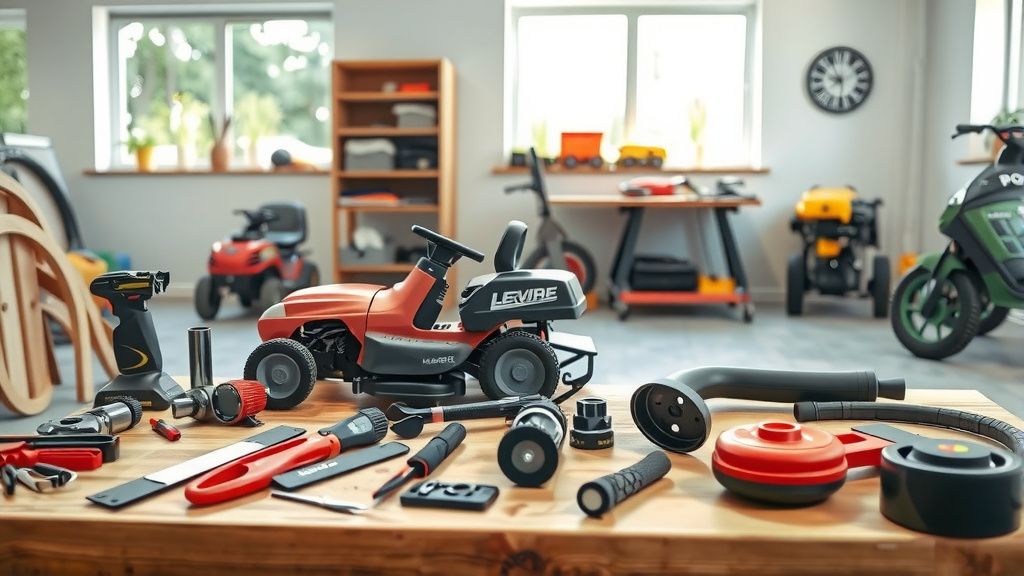
Building a lawn mower involves carefully assembling an engine, a durable cutting deck, sturdy wheels, and precise control mechanisms into a functional machine. This challenging yet rewarding project calls for a good grasp of mechanics and a strong commitment to safety standards.
Here’s a quick look at what you’ll find:
- Crafting your own lawn mower is a project for those with mechanical skills and a passion for DIY.
- You’ll need to select key components like the engine, cutting deck, and wheels.
- Prioritize safety at every stage, from planning to operating your custom machine.
- The process demands precision, patience, and a thoughtful approach to design.
- Expect to gain deep satisfaction from using a mower you’ve built yourself.
How To Build A Lawn Mower?
To build a lawn mower, you generally combine a power source, a cutting mechanism, a chassis for support, and controls for operation, following sound mechanical and safety principles.
Have you ever looked at your lawn mower and thought, “I could build one of those”? It’s a fascinating idea, a project that brings together creativity and mechanical know-how. Creating your own lawn mower isn’t for everyone. It requires planning, specific tools, and a healthy respect for power equipment. But for the right person, it can be a deeply satisfying endeavor.
We’re here to guide you through the essential steps and considerations. Think of this as your practical roadmap, not just a casual read. Building a functional lawn mower means understanding each part and how they connect. Ready to roll up your sleeves?
Why Build Your Own Mower?
You might wonder why someone would undertake such a project. Is it for the thrill of creation, or a practical need? For many, it’s a mix of both. Building your own allows for customization to specific needs, perhaps for an unusual terrain or a unique cutting requirement.
We found that enthusiasts often enjoy the learning process. It deepens their mechanical understanding. Plus, some find joy in the independence of not relying on commercial models. It’s a genuine connection to your tools and your property.
Essential Components You’ll Need
Before any wrench turns, understanding the core parts is crucial. These are the building blocks of your custom machine. Let’s break down the main players you’ll need to gather.
The Engine: Heart of the Machine
The engine powers everything. You’ll need a suitable gasoline engine, often a small internal combustion model. Considerations include horsepower, RPMs, and fuel type. Many experts suggest choosing an engine that balances power with efficiency for your planned cutting width.
Research often shows that a 5-7 horsepower engine is sufficient for most residential push or small riding mower builds (Small Engine Mechanics Handbook).
Crafting the Cutting Deck
This is where the magic happens. The cutting deck houses the blade or blades. You could fabricate one from heavy gauge steel or repurpose an existing one. Remember, the deck needs to be robust and safely contain the spinning blade. Proper blade clearance and balance are paramount.
Wheels and Mobility
Your mower needs to move, right? Wheels, axles, and a sturdy chassis form the mobility system. Depending on whether you’re building a push or riding mower, your wheel selection will differ. Larger wheels can navigate uneven terrain better, a finding often shared by experienced fabricators.
The Chassis: Your Mower’s Skeleton
The chassis provides the structural support for all components. You could weld a frame from steel tubing or angle iron. It must be strong enough to handle the engine’s weight, the cutting deck’s vibrations, and the forces of movement. Rigidity prevents unwanted flex and ensures stability.
Planning Your Build: What to Consider
Planning is half the battle. Before you start cutting or welding, sit down and sketch out your design. What type of mower do you envision? Push, self-propelled, or even a small riding mower?
Design and Blueprints
Having a clear design plan helps immensely. This includes dimensions, component placement, and safety features. Think about how components will mount. Visualize the entire structure. Many successful builders emphasize the value of a detailed schematic before assembly.
Safety First: A Critical Mindset
This cannot be overstated. A lawn mower has moving parts, sharp blades, and a power source. Building one requires a constant focus on safety. Safety organizations stress the need for blade guards, emergency stops, and robust construction to prevent accidents.
Always wear appropriate personal protective equipment (PPE), including safety glasses, gloves, and hearing protection (OSHA guidelines).
Step-by-Step Assembly Guide
Once you have your plan and components, it’s time to build. This is where patience and precision shine.
Step 1: Constructing the Chassis
Start with the frame. Weld or bolt your chosen materials together according to your design. Ensure all joints are secure and square. This foundation needs to be perfectly aligned for stability. Double-check measurements against your blueprint.
Step 2: Mounting the Engine
Secure the engine to the chassis. Use appropriate bolts and vibration-dampening mounts. The engine’s crankshaft needs to align properly with the cutting mechanism. This step demands accuracy to prevent imbalance and wear.
Step 3: Attaching the Deck and Blade
Mount the cutting deck to the chassis. Ensure it’s level and at the desired cutting height. Install the blade, confirming it’s balanced and secured. A wobbly blade can be dangerous and ineffective. Many experts recommend having blades professionally balanced after sharpening.
Step 4: Installing Wheels and Axles
Attach the axles and wheels to the chassis. Make sure they spin freely and are properly aligned. For self-propelled mowers, you’ll need a drive system connected to the engine. This system often uses belts or chains to transfer power to the wheels.
Step 5: Wiring Controls and Safety Features
This includes the throttle, kill switch, and any other controls. Wire them carefully, following safety standards. Incorporate a blade brake or clutch if your design requires it. Test all electrical connections thoroughly before starting the engine.
Checklist Before First Start-Up
Before you even think about turning the key, run through this quick checklist:
- All bolts and fasteners are tight.
- Blade is securely attached and balanced.
- Engine oil and fuel levels are correct.
- Safety guards are in place.
- Kill switch and controls work as expected.
- No loose wires or hoses.
Testing Your Custom Mower
The moment of truth! But approach it cautiously. Start the engine in a clear, open area, away from people and obstacles. Let it idle. Check for any unusual noises or vibrations. Engage the blade carefully. Test the mower’s movement and cutting ability on a small patch of grass. Observe how it handles and if any adjustments are needed.
Sometimes, small tweaks to blade height or engine RPMs can make a big difference in performance. Remember, this is your creation. Take pride in it, but also respect its power.
Table: Key Component Considerations
| Component | What to Consider | Why it Matters |
|---|---|---|
| Engine | Horsepower, fuel type, size | Powers cutting & movement; impacts efficiency |
| Cutting Deck | Material, thickness, blade capacity | Contains blade, determines cutting width & safety |
| Blade | Length, type (mulching/standard), balance | Directly affects cutting quality and safety |
| Chassis | Material strength, design stability | Supports all components; ensures mower integrity |
| Wheels | Size, material, bearing type | Mobility, traction, ease of pushing/riding |
| Controls | Throttle, kill switch, safety interlocks | User control, emergency stops, operational safety |
Conclusion
Building your own lawn mower is a significant undertaking. It blends mechanical skills, careful planning, and a strong sense of personal satisfaction. From selecting the right engine to fine-tuning the controls, each step requires attention to detail and a commitment to safety. You’ve seen the core components, the planning considerations, and the general assembly process. While challenging, the reward of mowing your lawn with a machine you crafted yourself is truly unique. It’s a testament to ingenuity and hands-on skill. So, if you’re ready for the project, go forth, build wisely, and mow safely!
Can I use an old car engine to build a lawn mower?
Using an old car engine for a lawn mower is generally not practical due to its excessive weight, size, and horsepower for typical lawn care tasks. It would require significant modifications to the frame and power transfer system, making it overly complex and potentially unsafe for a garden tool.
What tools are essential for building a lawn mower?
Essential tools for building a lawn mower include a welding machine, an angle grinder, a drill press, various wrenches and sockets, measuring tools, and appropriate personal protective equipment (PPE) like safety glasses and gloves. Specialized tools may be needed depending on your chosen components.
Is it cheaper to build a lawn mower or buy a new one?
In most cases, it is not cheaper to build a lawn mower from scratch than to buy a new entry-level model. The cost of individual components, raw materials, and specialized tools can quickly add up, often exceeding the price of a manufactured mower. Building is usually driven by custom needs or the joy of DIY, not cost savings.
What safety features should a homemade lawn mower include?
A homemade lawn mower should include a kill switch for immediate engine shutdown, a sturdy blade guard, proper shielding for all moving parts (belts, pulleys), and a dead-man switch if it’s a walk-behind or riding model. All components should be securely fastened to reduce vibration and prevent detachment.
How long does it typically take to build a custom lawn mower?
The time it takes to build a custom lawn mower varies widely based on design complexity, builder experience, and available tools. A simple model might take several weekends, while a more elaborate or custom design could span several months of dedicated work.
