
How To Build A Lawn Mower Ramp?
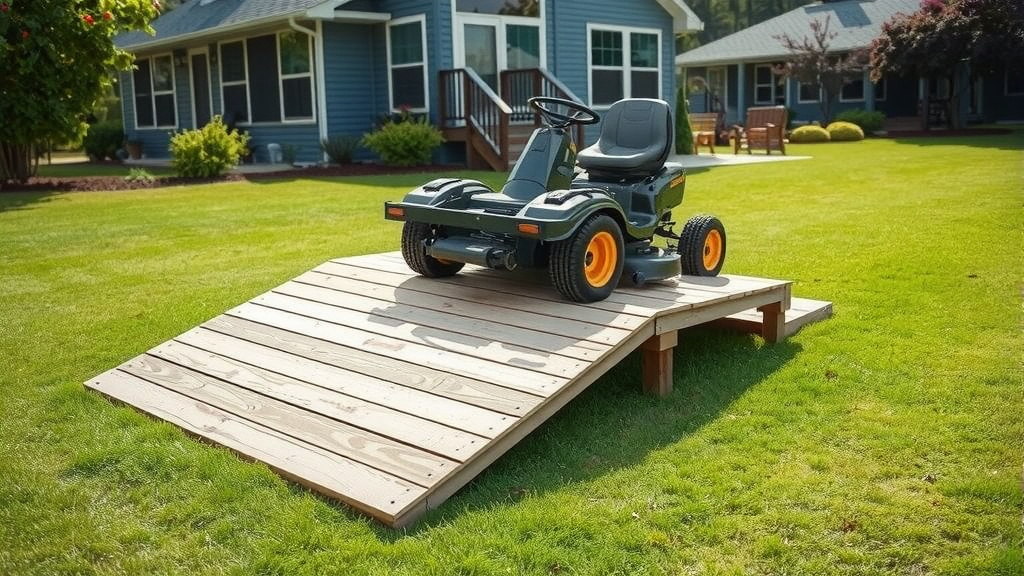
To build a lawn mower ramp, you’ll need sturdy materials like marine-grade plywood or aluminum sheets, focusing on a safe, gradual slope.
Proper construction of a lawn mower ramp involves secure anchoring, good traction, and careful measurement to match your mower’s weight and size.
-
Choose strong, weather-resistant materials for your ramp, such as treated wood or metal.
-
Calculate the ideal ramp length and width based on your mower and storage area height.
-
Always prioritize safety with a gentle incline, non-slip surfaces, and secure attachments.
-
Reinforce your ramp structure to handle the mower’s weight without flexing or breaking.
How To Build A Lawn Mower Ramp?
Building a lawn mower ramp means creating a safe incline to move your machine into a shed or trailer. It requires choosing the right materials and design for stability and ease of use.
You want a ramp that feels secure and makes your lawn care routine smoother. Let’s make this project straightforward and safe.
Why Do You Need a Lawn Mower Ramp?
Dragging your lawn mower up a step or into a truck can be a real struggle, right? It’s not just hard work; it’s also a safety risk.
A well-built ramp lets you roll your mower with ease, protecting your back and your machine. Think of it as a small investment in your comfort and safety (Occupational Safety and Health Administration).
Essential Materials for Your Ramp Project
Choosing the right stuff is half the battle when you’re building a ramp. You need materials that can handle weight and weather.
Many experts recommend using pressure-treated lumber or heavy-duty aluminum for durability. These options stand up well to outdoor conditions.
Wood vs. Aluminum: Which is Best?
You might wonder if wood or aluminum is better. Both have their strong points, and your choice depends on a few things.
Wood ramps are often more affordable and easier to build with basic tools. Aluminum is lighter, more weather-resistant, and typically stronger for its weight.
| Feature | Wood Ramp | Aluminum Ramp |
|---|---|---|
| Cost | Generally lower | Higher initial cost |
| Weight | Heavier | Much lighter, easier to move |
| Durability | Good with treatment, can rot | Excellent, rust-proof |
| Traction | Good with added strips | Often comes with textured surface |
| Maintenance | Requires sealing/painting | Low maintenance |
Designing Your Mower Ramp Safely
Design is where safety really comes into play. You don’t want a ramp that’s too steep or too narrow. It’s all about finding that sweet spot for stability.
We found that a longer ramp with a gentler slope is always safer than a short, steep one (National Institute for Occupational Safety and Health).
Calculating the Ideal Slope Angle
A good rule of thumb for a lawn mower ramp is a slope ratio of 3:1 to 4:1. This means for every foot of height you need to gain, your ramp should be three to four feet long.
So, if your shed entrance is 1 foot high, your ramp should be 3 to 4 feet long. This makes pushing easier and prevents tipping.
Ensuring Sufficient Width and Length
Make sure your ramp is wider than your mower’s widest point, with a little extra room for comfort. Often, we recommend at least 4-6 inches wider than the mower itself.
The length, as mentioned, depends on your desired slope. Measure carefully from the ground to the top edge of where your ramp will rest.
Step-by-Step Ramp Construction Guide
Alright, let’s get down to actually building this thing. Breaking it into steps makes it feel much less daunting, doesn’t it?
Remember to always wear appropriate safety gear, like gloves and eye protection, when working with tools and materials.
Gathering Your Tools and Supplies
Before you start, lay out everything you’ll need. This usually includes a saw, drill, measuring tape, and safety glasses.
For wood ramps, you’ll want lumber, exterior screws, and possibly some non-slip tape. For aluminum, you might use pre-fabricated panels and secure fasteners.
Cutting and Preparing Materials
Cut your chosen material to the calculated length and width. If you’re using wood, make sure all edges are smooth to avoid splinters.
Many builders suggest using a circular saw for straight, clean cuts on lumber. If using aluminum, you might buy pre-cut ramp sections.
Assembling the Ramp Structure
For a wooden ramp, you’ll typically build a frame with side rails and support beams. Then, attach the ramp surface to this frame.
Use plenty of screws or strong bolts to create a solid, wobble-free structure. We found that adequate fastening prevents accidents down the road.
Adding Traction and Safety Features
Traction is vital to prevent slips. You can add grit tape, asphalt shingles, or even small wooden slats spaced out on the ramp surface.
Also, consider side rails if your mower has a tendency to veer off course. These simple additions make a big difference for safety.
Securing the Ramp in Place
Your ramp needs to be firmly attached to the shed, trailer, or whatever you’re rolling your mower onto. This stops it from slipping away.
Many people use brackets or simply cut the top end of the ramp at an angle to fit flush. You might also add a cleat to the ramp’s top edge to hook over your shed’s lip.
Safety Considerations for Using Your Ramp
Even with a well-built ramp, safety during use is paramount. You want to avoid any nasty surprises.
Always take your time and follow these simple steps when loading or unloading your lawn mower.
A Pre-Use Safety Checklist
-
Is the ramp firmly secured and not wobbling?
-
Is the surface clean and free of debris or ice?
-
Are you wearing appropriate footwear with good grip?
-
Is the area around the ramp clear of obstacles?
-
Have you cleared any pets or children from the immediate area?
Maintenance and Longevity of Your Ramp
Like anything outdoors, your ramp will need a little care to last. Regular checks can catch small issues before they become big problems.
We found that a bit of seasonal maintenance can double the lifespan of your ramp, saving you time and effort later.
Regular Inspections and Repairs
Check your ramp periodically for loose screws, cracks, or rot if it’s wood. Tighten fasteners and repair any damage immediately.
If your traction strips wear out, replace them. A little proactive maintenance keeps your ramp in top working order.
Weather Protection Tips
If you have a wooden ramp, consider applying a weather sealant every year or two. This protects it from moisture and UV damage.
Even aluminum ramps benefit from occasional cleaning to remove dirt and grime, keeping their surface traction effective.
Conclusion
Building a lawn mower ramp is a practical project that significantly improves safety and ease in your lawn care routine. By carefully choosing your materials, designing for a safe slope, and assembling with precision, you create a lasting solution.
Remember that a little planning and attention to detail go a long way. Your back (and your mower) will thank you for the effort!
FAQs About Building a Lawn Mower Ramp
How steep can a lawn mower ramp be?
For safe operation, a lawn mower ramp should ideally have a slope ratio of 3:1 or 4:1. This means for every foot of vertical rise, the ramp needs to be three to four feet long. A gentler slope makes it much easier to push or drive your mower without losing control or straining yourself.
What kind of wood is best for a ramp?
Pressure-treated lumber is often recommended for wooden ramps. It’s designed to resist rot, decay, and insect infestation, making it suitable for outdoor use. Using marine-grade plywood for the surface can also add strength and weather resistance to your ramp.
How wide should a ramp be for a riding mower?
For a riding mower, your ramp should be at least as wide as your mower’s widest point, plus an extra 6-12 inches for clearance on each side. This provides a comfortable margin for error and helps prevent driving off the edge, ensuring a safer loading and unloading experience.
Do I need to add anti-slip features to my ramp?
Yes, adding anti-slip features is highly recommended for any lawn mower ramp, regardless of material. Surfaces can become slick from dew, rain, or grass clippings. Non-slip tape, grit paint, or spaced wooden slats can significantly improve traction and prevent dangerous slips.
How do I prevent my ramp from sliding when in use?
To prevent your ramp from sliding, it’s essential to secure it firmly. You can use strong metal brackets to attach the top of the ramp to the edge of your shed or trailer. Another common method is to cut a lip or cleat into the top edge of the ramp that hooks over the structure, keeping it in place during use.
