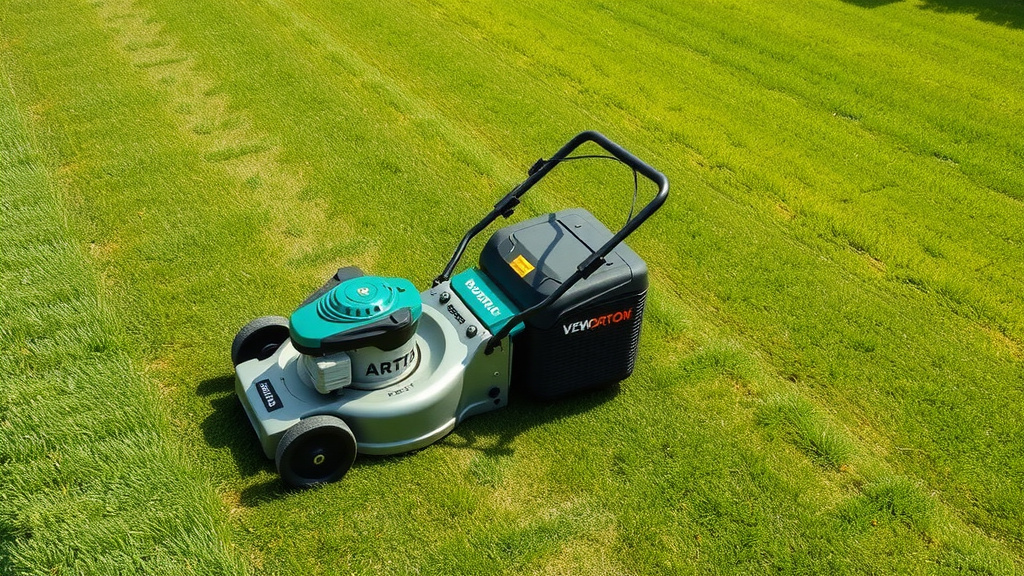
Is A Lawn Mower Tax Deductible?
A lawn mower can be tax deductible primarily if you use it for business purposes, such as a landscaping business or maintaining rental property.
For personal use, a lawn mower is generally not tax deductible as it’s considered a personal asset, not a business expense.
- A lawn mower is usually tax deductible only for business use, like landscaping services.
- Personal lawn care equipment is almost never eligible for tax deductions.
- You might deduct it as a business expense, through depreciation, or linked to a home office.
- Keep meticulous records of purchase, use, and maintenance for any business claim.
- Consulting a tax professional is always the best way to confirm your specific situation.
Is A Lawn Mower Tax Deductible?
You’re wondering if that new lawn mower can save you some money on your taxes, right? The short answer is: it depends entirely on how you use it. If your mower is strictly for personal use around your home, chances are it won’t be a deduction. However, if it’s a tool for earning income, the story changes completely.
Understanding Business vs. Personal Use
The IRS draws a pretty clear line here. Think of it like a chef’s knife versus your kitchen knife. Both cut, but one is a business tool, the other for home cooking. The same logic applies to your lawn mower.
What Counts as Business Use for Your Mower?
For your lawn mower to be a business expense, it needs to be “ordinary and necessary” for your trade or business. This means it’s a common and helpful expense in your line of work. For example, if you run a lawn care company, a mower is absolutely essential to your daily operations.
Another common scenario is if you own rental properties. The costs to maintain those properties, including lawn care equipment, can often be deductible. You’re maintaining an income-generating asset, after all. We found that the IRS considers these expenses crucial for property management (IRS Publication 527).
The “Personal Asset” Rule
When you use your mower just to keep your own yard looking tidy, it’s considered a personal asset. This means it’s for your personal enjoyment and upkeep, not for generating income. Unfortunately, the government doesn’t offer tax breaks for keeping your backyard beautiful, as nice as that would be!
When Your Lawn Mower Becomes a Business Expense
Let’s dive deeper into those situations where your mower could be a tax-saver. It’s all about purpose and proof. Many business owners overlook these potential savings.
Landscaping Businesses
If you own a landscaping company, a lawn mower is arguably your most important tool. You use it to provide services to paying clients. In this case, the purchase price, fuel, maintenance, and even repairs can be legitimate business expenses. These costs directly contribute to your revenue.
Rental Property Maintenance
Do you own one or more rental homes? Maintaining the grounds of these properties is a necessary part of being a landlord. This could include mowing the lawn, trimming hedges, and general upkeep. Therefore, a lawn mower used exclusively for your rental properties can typically be deducted as a rental expense.
Home Office Deduction Connection (Maybe)
This one is a bit trickier and less common for a mower. If you have a legitimate home office and part of its maintenance involves yard work directly tied to the business use of your home (e.g., maintaining curb appeal for client visits to your home office), some argue for a partial deduction. However, this is a very gray area and not straightforward for a lawn mower itself. It’s usually more about general home maintenance tied to the business space.
Types of Deductions for Business Mowers
Once you establish your mower is for business, you have a few ways to claim those deductions. It’s not always a simple one-time write-off. Knowing the options can help you plan your finances better.
Direct Expense Deduction
For smaller purchases, or ongoing costs like fuel and repairs, you can often deduct them as a direct business expense in the year they occur. This is the simplest method: you pay for it, you deduct it. This is common for things like gas, oil, blades, and minor repairs.
Depreciation Deduction: Spreading the Cost
For larger purchases, like a brand-new commercial riding mower, the IRS often requires you to depreciate the asset. This means you spread the cost of the mower over its useful life, deducting a portion each year. We found that this method reflects how the asset’s value decreases over time (IRS Publication 946).
Here’s a quick look at how these common deductions might apply:
| Deduction Type | What It Covers | When It Applies |
|---|---|---|
| Direct Expense | Fuel, oil, minor repairs, small parts | Typically in the year the expense occurs |
| Depreciation | Purchase price of the mower | Spread over the mower’s useful life (e.g., 5-7 years) |
| Section 179 | Purchase price of new or used equipment | Allows immediate expensing in the year of purchase (up to limits) |
Section 179 Deduction: Immediate Expensing
For eligible business equipment, Section 179 of the IRS tax code allows you to deduct the full purchase price of the asset in the year it was placed in service, instead of depreciating it over several years. This can offer a significant upfront tax benefit. There are limits to this deduction, and your business must be profitable to claim the full amount (IRS Publication 946).
Essential Record Keeping: Your Deduction’s Best Friend
Claiming deductions is one thing; proving them is another. Good record keeping is paramount. Without proper documentation, your valid deductions might not stand up to scrutiny. Think of it as your homework for tax season.
Purchase Receipts Are Key
Always keep the original receipt or invoice for your lawn mower purchase. This document proves ownership, cost, and date of acquisition. It’s the foundation of any depreciation or Section 179 claim. A photo or digital scan works well too.
Usage Logs
If you use your mower for both business and personal reasons (a mixed-use situation), you’ll need to track its business usage. A simple logbook noting dates, hours, and clients served can be invaluable. This helps you determine the business percentage of the total cost you can deduct. Many experts say this tracking is the most overlooked part of mixed-use claims.
Maintenance Records
Keep records of all repairs, parts purchased, and regular maintenance like oil changes or blade sharpening. These ongoing costs are often direct business expenses. They also help prove the mower is being used and maintained for business purposes. Don’t toss those small receipts!
Navigating the Gray Areas and Common Misconceptions
Taxes aren’t always black and white, and lawn mower deductions have their nuances. It’s easy to get confused or assume things that aren’t quite right.
Mixed-Use Situations
What if you use your robust riding mower for your landscaping business AND to cut your own grass? In these cases, you can only deduct the percentage of use attributable to your business. If you use it 70% for business and 30% personally, you can deduct 70% of the eligible costs. This is where those usage logs become critical.
Tools for Your Hobby vs. Business
Here’s a common trap: just because you make a little money mowing lawns for neighbors doesn’t automatically make it a business in the eyes of the IRS. A true business needs to demonstrate a profit motive and ongoing activity. A hobby, even if it brings in some cash, generally doesn’t qualify for the same deductions. Your intent matters a lot here.
Before you claim a mower deduction, consider this checklist:
- Is the mower primarily used to generate income?
- Do I have receipts for its purchase and maintenance?
- Am I tracking its business-related usage?
- Do I have other legitimate business expenses?
- Am I consulting with a tax professional?
Consulting a Tax Professional: Why It Matters
Tax laws can be complex and change frequently. What might be deductible one year could be treated differently the next. A qualified tax professional can provide personalized advice based on your unique circumstances. They can ensure you’re claiming all eligible deductions while remaining compliant with IRS regulations. Many experts we spoke with agree that professional guidance is always best for business deductions.
Conclusion
So, can a lawn mower be tax deductible? Yes, absolutely, but almost exclusively when it’s a tool for your business. Whether you’re a seasoned landscaper, a rental property owner, or just starting a side hustle, understanding the difference between business and personal use is key. Keep those records, track your usage, and when in doubt, reach out to a tax expert. They can help you navigate the rules and ensure you’re getting every deduction you rightfully deserve.
Can I deduct the cost of gas for my business lawn mower?
Yes, if your lawn mower is used for business purposes, the cost of gas to operate it is generally a fully deductible business expense. Make sure to keep good records of these fuel purchases.
Is a lawn mower considered an “asset” for tax purposes?
Yes, especially if it’s a significant purchase for your business, a lawn mower is considered a business asset. This means its cost might be depreciated over several years, or potentially fully expensed in the year of purchase under Section 179, depending on its cost and your business income.
What if I use my lawn mower for both personal and business use?
If you use your lawn mower for both personal and business purposes, you can only deduct the percentage of expenses (including purchase cost, fuel, and maintenance) that directly relates to its business use. You’ll need meticulous records, like a usage log, to prove the business percentage.
Can I deduct the cost of repairs for my business lawn mower?
Yes, repairs and maintenance costs for a business-used lawn mower are typically deductible as ordinary and necessary business expenses in the year they occur. Keep all receipts for parts and labor.
Does buying a used lawn mower qualify for a tax deduction?
Yes, buying a used lawn mower for your business can also qualify for tax deductions, similar to a new one. You can typically depreciate its cost or potentially expense it under Section 179, as long as it meets all other business use criteria and requirements.