
What Is the Average Lifespan of a Lawn Mower?
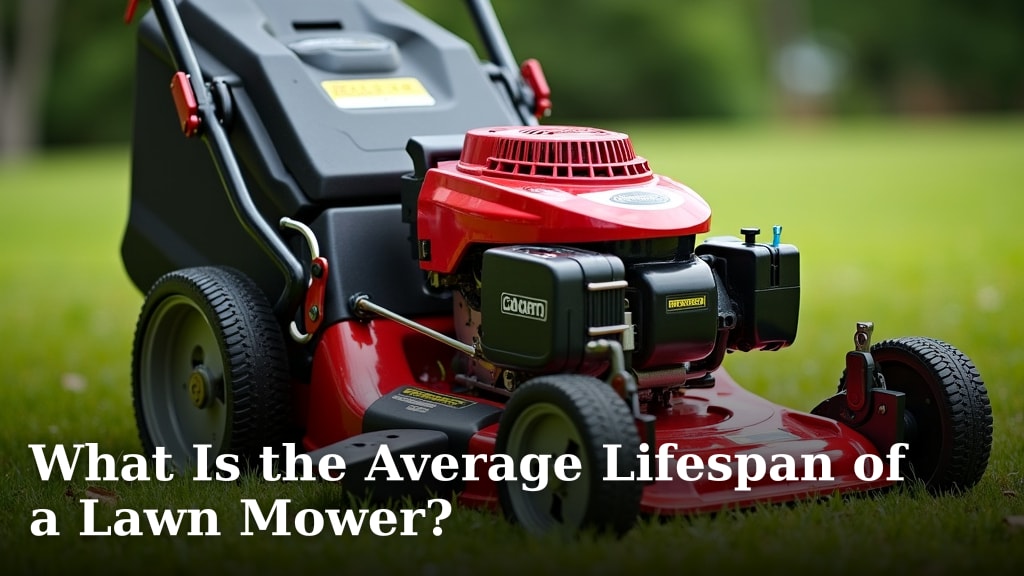
You’re probably wondering: how long does a lawn mower last? Most gas-powered lawn mowers have an average lifespan of about 10 years. Electric mowers often last a bit less, typically around 5 to 8 years. This range depends on several factors, including how well you care for it and how often you use it.
Your trusty mower helps keep your yard looking sharp. Understanding its typical lifespan can help you plan for future replacements. It also helps you appreciate your current mower and give it the care it deserves. We’ve looked into what experts and owners report.
- Gas mowers generally last around 10 years.
- Electric mowers tend to last 5 to 8 years.
- Proper maintenance is key to a longer life.
- Usage frequency also impacts how long it will run.
Let’s dig a little deeper into what affects your lawn mower’s longevity and what you can do to get the most out of it.
How Long Can You Expect Your Lawn Mower to Last?
So, you’re wondering about the lifespan of your lawn mower. It’s a smart question to ask! Knowing this helps you budget and plan. We’ve researched this topic thoroughly.
Most gas-powered lawn mowers typically last around 10 years. Electric mowers often have a shorter life, usually between 5 to 8 years. These are just averages, though. Many things can influence how long your mower keeps running. Think of it like a car; good care means a longer life.
Factors That Determine Your Mower’s Lifespan
Several elements play a role in how long your mower will serve you. It’s not just about the brand or the model. Your personal habits matter a lot.
Maintenance: The Undisputed Champion of Longevity
This is where you have the most control. Regular, proper maintenance is absolutely key to extending your mower’s life. Skipping these steps is like ignoring a check engine light.
Oil Changes: More Than Just a Suggestion
For gas mowers, changing the oil is vital. Old, dirty oil can’t lubricate the engine parts effectively. This causes friction and wear. You should change the oil at least once a year, or more often if you use your mower heavily. Many manufacturers suggest checking your owner’s manual for specific intervals.
Blade Sharpening and Balancing: Keep it Clean and Centered
Dull blades tear grass instead of cutting it cleanly. This stresses the grass and makes it more prone to disease. Sharpening blades regularly ensures a clean cut. Also, ensure the blades are balanced. An unbalanced blade can cause vibrations that damage the mower’s engine and deck over time.
Air Filter Care: Let Your Mower Breathe Easy
A clogged air filter starves the engine of air. This leads to poor performance and can even cause engine damage. Check and clean or replace your air filter according to the manufacturer’s recommendations. For dusty conditions, you might need to do this more often.
Spark Plug Replacement: The Little Thing That Matters Big
A worn-out spark plug can make your mower hard to start and run less efficiently. Replacing it annually is a simple task that can prevent bigger headaches. It’s a small part that makes a big difference in your mower’s power and reliability.
Cleaning After Each Use: Don’t Let Debris Linger
Grass clippings and dirt can build up. This buildup can corrode parts and clog mechanisms. After each mowing session, take a few minutes to clean the mower deck and body. A simple rinse or wipe-down can prevent rust and ensure moving parts function smoothly.
Usage Patterns: How Often and How Much?
The frequency and intensity of your mowing are also important. If you have a large yard or mow very frequently, your mower will experience more wear and tear. Think of it like running; a marathon runner’s shoes wear out faster than a casual walker’s.
Yard Size and Terrain: A Tougher Job Means More Stress
Mowing a sprawling, hilly yard puts more strain on your mower than a small, flat one. Steep inclines require the engine to work harder. Rough terrain can also cause jolts and impacts. If your yard is challenging, you might see a slightly shorter lifespan.
Mowing Conditions: Wet Grass and Obstacles
Mowing wet grass is generally not recommended. It can clog the mower deck and make the engine work harder. Similarly, mowing over hidden rocks or debris can damage the blades and engine. Be mindful of what you’re mowing over.
Storage: Protecting Your Investment When It’s Off-Duty
How you store your mower, especially during the off-season, is critical. Proper storage prevents rust, fuel degradation, and other issues.
Fuel System Care for Gas Mowers: Stabilize and Go
Before storing a gas mower for an extended period, treat the fuel system. Use a fuel stabilizer. This prevents fuel from degrading and gumming up the carburetor. You can also run the engine for a few minutes after adding stabilizer to ensure it circulates.
Battery Care for Electric Mowers: Keep it Charged, But Not Too Much
For battery-powered electric mowers, proper battery storage is key. Follow the manufacturer’s guidelines. Generally, it’s best to store batteries partially charged. Storing them fully charged or completely depleted can shorten their lifespan.
Location, Location, Location: Dry and Safe is Best
Always store your mower in a dry, protected area. A garage or shed is ideal. Avoid storing it directly on the ground, as this can lead to moisture absorption and rust. Covering it can also offer an extra layer of protection.
Gas vs. Electric Mower Lifespans: What’s the Difference?
We’ve seen general averages, but let’s break down the typical lifespans for each type.
Gas Mower Longevity: The Workhorse
Gas mowers are often built with more robust engines designed for power. With consistent maintenance, these engines can last a long time. Many homeowners find their gas mowers serve them faithfully for a decade or more. However, they do require more hands-on maintenance.
Electric Mower Longevity: The Modern Contender
Electric mowers, including corded and battery-powered models, generally have shorter lifespans. This is often due to the battery component, which has a limited number of charge cycles. While they require less mechanical maintenance, the battery is a significant factor in their overall longevity. Many experts estimate battery replacements every 3-5 years for optimal performance.
| Mower Type | Average Lifespan | Key Factors Affecting Life |
|---|---|---|
| Gas-Powered | ~10 Years | Engine maintenance, oil changes, air filters, fuel care |
| Electric (Battery) | 5-8 Years | Battery health, charging habits, motor wear |
| Electric (Corded) | 5-8 Years | Motor wear, cord condition, general use |
Extending Your Mower’s Life: A Simple Checklist
Want to squeeze every last drop of life out of your mower? Here’s a quick checklist:
- Change oil regularly for gas mowers.
- Keep blades sharp and balanced.
- Clean the air filter often.
- Clean your mower after every use.
- Use fuel stabilizer for off-season storage.
- Store your mower in a dry place.
Conclusion
You’ve learned that your lawn mower’s lifespan isn’t set in stone. Gas mowers typically last around 10 years, while electric models are usually good for 5 to 8 years. These numbers are averages, and your mower’s actual life depends heavily on your care. Consistent maintenance, like regular oil changes and clean air filters, is your best friend for extending its life. Storing it properly, especially during the off-season, also makes a big difference.
Ready to get the most out of your current mower? Make a habit of cleaning it after each use and addressing any simple maintenance tasks. This will help ensure it keeps your lawn looking its best for as long as possible.
Frequently Asked Questions
Can I make my lawn mower last longer than the average lifespan?
Yes, you absolutely can! By focusing on regular maintenance, such as cleaning the mower deck, sharpening the blades, and changing the oil for gas models, you can significantly extend its life beyond the average. Proper storage is also key.
What’s the biggest mistake people make that shortens a mower’s life?
The biggest mistake is neglecting regular maintenance. Skipping oil changes, not cleaning air filters, and letting the mower sit dirty after use all contribute to premature wear and tear. Mowing over obstacles can also cause damage.
How often should I change the oil in my gas lawn mower?
Most manufacturers recommend changing the oil at least once a year for gas mowers. If you use your mower very frequently or in dusty conditions, you might consider changing it more often, as detailed in your owner’s manual.
Do electric lawn mowers really have shorter lifespans than gas ones?
Generally, yes. Electric mowers, especially battery-powered ones, often have a shorter lifespan primarily due to the battery. Batteries have a finite number of charge cycles, and their performance degrades over time, typically needing replacement every 3-5 years.
Is it worth repairing an old lawn mower, or should I just buy a new one?
This depends on the repair cost versus the mower’s age and condition. If it’s a minor repair and the mower is still in good shape, fixing it is often more cost-effective. However, if major components like the engine are failing, it might be time to consider a replacement.
