5 Best Lawn Mower Carburetor Cleaner (November 2026)
The best lawn mower carburetor cleaner include the Red Line 60103 SI-1 Complete Fuel System for fuel tank treatment, the Gumout 800002231 Carb/Choke Carburetor Cleaner Spray for direct spray cleaning, and the NORTHWEST ENTERPRISES Ultrasonic Cleaner Solution for Carburetors Parts. for ultrasonic parts cleaning.
On this page (9 sections)
- The best lawn mower carburetor cleaners for gum and varnish
- Side by side: spray, additive and ultrasonic cleaners
- How we compared these carburetor cleaners
- Spray or fuel additive: which fits your mower?
- How do you clean a carburetor without removing it?
- When is an ultrasonic soak worth the setup?
- What size and pack count should you buy?
- How do you prevent varnish from coming back?
- Verdict: which lawn mower carburetor cleaner should you buy?
The best lawn mower carburetor cleaner for most owners is the Red Line 60103 SI-1 for in-tank cleaning, because it treats fuel as it passes through the carburetor. The Gumout spray is a stronger pick when you need to clean the carburetor chamber directly.
The ultrasonic solution is best if you already own an ultrasonic machine and plan to soak removed parts.
Old fuel is the main cause of mower carburetor trouble. Gasoline left in a small tank loses its light fractions over time.
The heavier parts turn into gum and varnish inside the bowl and jets.
That buildup narrows the tiny passages that meter fuel. The mower may crank without starting, idle roughly, or stall under load.
A cleaner helps, but the right type depends on where the deposits sit.
Start with the least work that fits the symptom. A tank additive suits light deposits and prevention.
A spray suits the carburetor throat and outside parts. A soak suits a removed carburetor with blocked jets.
Different products also handle different materials and locations. A fuel additive can reach valves and combustion chamber surfaces that a spray on the throat cannot touch.
A spray can reach linkages and exterior parts that fuel never washes.
Our score weighs specs, features and buyer feedback against what you are shopping for. We compared product types, sizes, and stated uses to match each cleaner to a real mower job.
Keep safety in mind with every option here. Work outdoors, keep cleaners away from heat and sparks, and let the engine cool before you open the fuel system.
Wear eye protection when you spray.
Our picks at a glance
-
1
 Best for fuel tank treatment
Red Line 60103 SI-1 Complete Fuel System
9.7/10 our score
See it on Amazon -
2
 Best for direct spray cleaning
Gumout 800002231 Carb/Choke Carburetor Cleaner Spray
9.6/10 our score
See it on Amazon -
3
 Best for ultrasonic parts cleaning
NORTHWEST ENTERPRISES Ultrasonic Cleaner Solution for Carburetors Parts.
9.4/10 our score
See it on Amazon
- 4
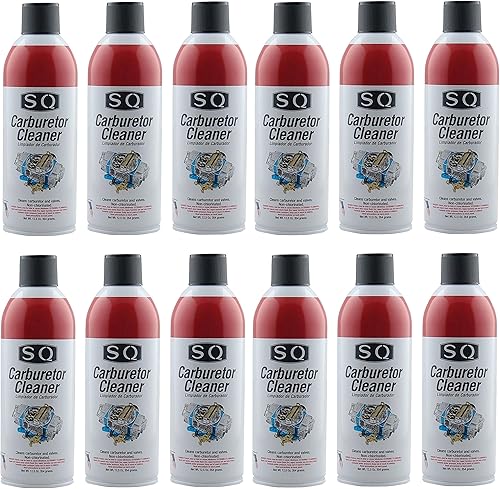 Best for engine starting and degreasingCheck it
- 5
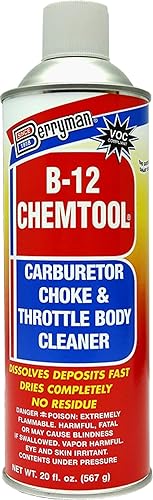 Check it
Berryman B-12 Chemtool Carburetor
Best for linkage and choke cleaning
The best lawn mower carburetor cleaners for gum and varnish
Each cleaner below solves a different part of the same problem. Pick by method first, then by size and format.
Red Line 60103 SI-1 Complete Fuel System: Best for fuel tank treatment
- 15 ounce liquid fuel additive
- Detergent formulation for carburetors and injectors
- Red Line says it reduces gum and varnish formation
- Contains synthetic upper cylinder lubricant
A fuel additive you add to the tank to clean carburetor, valve and combustion chamber deposits while you run the mower.
Pros
- Treats the whole fuel system through the tank
- 15 ounce bottle with detergent formulation
- Red Line says it enhances fuel stability
Cons
- Not a direct spray for a removed carburetor
- Requires a full tank treatment for the stated effect
Red Line suits owners who want cleaning without removing the carburetor. You add the 15 ounce liquid to the fuel tank and run the mower, so deposits in the carburetor are treated as fuel flows through.
Its detergent formulation targets carburetors, injectors, valves and combustion chambers. Red Line says the blend uses high-temp and low-temp detergents to clean deposits across that range of temperatures and conditions.
The bottle is 15 fl oz and unscented, with a synthetic upper cylinder lubricant in the formula. Red Line says one bottle per tank gives the most effective treatment, which means dose depends on tank size rather than a splash amount.
That tank method is the trade-off. It is easy and reaches every part fuel reaches, including the pollution control valves Red Line mentions, but it will not blast out a fully clogged jet the way a spray or a soak can.
Choose it for seasonal maintenance and light deposits on a mower that still runs. Pair it with a spray if the mower already has starting trouble, and read our guide on how to clean a carburetor on a lawn mower before you remove parts.
Gumout 800002231 Carb/Choke Carburetor Cleaner Spray: Best for direct spray cleaning
- 14 oz spray, pack of 6
- Cleans gum, varnish and dirt inside and outside carburetor chamber
- Jet spray aerosol format
- Gumout says it helps with hard starting, rough idling and stalling
A jet spray aimed at gum and varnish inside and outside the carburetor chamber, for cleaning without adding anything to the tank.
Pros
- Direct spray reaches the carburetor throat
- Pack of 6 suits repeat or shared use
- 50 state VOC compliant formulation
Cons
- Aerosol spray has limited reach in blind passages
- Six pack is more than a single mower needs
Gumout suits owners who want a direct spray for the carburetor chamber. The jet spray cleans gum, varnish and dirt inside and outside the carburetor throat, which is where stale fuel first leaves visible deposits.
This pack has six 14 ounce cans, which suits a household with several mowers or a small shop. Gumout says the formula helps with hard starting, rough idling and stalling, symptoms tied to restricted fuel flow at the throat.
The aerosol format is fast for the throat, choke area and outer surfaces. You do not need to drain the tank or remove the carburetor for a first cleaning attempt, and the 50 state VOC compliant formulation simplifies ordering across states.
The trade-off is reach and quantity. A spray can loosen deposits at the surface, but it cannot flush every blind passage inside a removed carburetor, and six cans is more than a single mower needs in one season.
Choose it when the mower has symptoms now and you want to clean the carburetor directly. For tank-based treatment afterward, see how to use Gumout on a lawn mower and our Sea Foam guides below.
NORTHWEST ENTERPRISES Ultrasonic Cleaner Solution for Carburetors Parts.: Best for ultrasonic parts cleaning
- 32 ounce concentrated solution
- Made for use with an ultrasonic machine
- Northwest Enterprises says it removes dirt, varnish and gums from carburetor parts
- Safe on most metals including aluminum, brass and cast iron
A concentrated fluid for an ultrasonic cleaner, aimed at parts you remove from the mower and soak in a tank.
Pros
- Concentrated 32 ounce size
- Reaches crevices and blind holes in a tank
- Safe on most metals
Cons
- Requires a separate ultrasonic machine
- Solution needs changing after 2 to 3 uses per Northwest Enterprises
Northwest Enterprises suits owners who already own an ultrasonic cleaner. This is a 32 ounce concentrated solution for carburetors and small parts in a tank, not a ready to pour fuel additive.
You dilute and use the fluid in the machine, where tiny vacuum bubbles implode against wetted surfaces. Northwest Enterprises says that action removes dirt, varnish and gums from exterior and interior parts without damaging delicate surfaces.
The maker says it is safe on most metals, including aluminum, brass, cast iron, copper, magnesium and zinc. That matters for small mower carburetors, which are often aluminum, and for jets and valves made from brass or steel alloys.
The trade-off is setup and upkeep. You need a machine, a place to heat and run it, and a plan for changing the fluid.
Northwest Enterprises recommends changing it after 2 to 3 uses, or sooner if contaminants are visible and the solution starts to get cloudy.
Choose it for a removed carburetor with stubborn deposits in jets, minute cracks and blind holes. For adjustment after cleaning, see how to adjust a carburetor on a lawn mower.
SQ Carburetor Cleaner: Best for engine starting and degreasing
- 12 pack, 12.5 oz per bottle
- Non-chlorinated formula
- Highly flammable and leaves no residue
- SQ says it can be used as an engine starter for lawn mowers and two stroke engines
A non-chlorinated aerosol for grease, oil, dirt and soot, with an extension tube for reaching valves while the engine runs.
Pros
- Non-chlorinated and fast drying
- Extension tube for targeted spraying
- 12 pack for multi-mower households
Cons
- Highly flammable formula needs care
- Not for sale in several states listed by SQ
SQ suits owners who want a non-chlorinated aerosol for routine cleaning. The 12 pack has twelve 12.5 ounce bottles for several mowers or repeat seasons, so quantity is built for shared or frequent use.
Its non-chlorinated formula removes grease, oil, dirt and soot from carburetors and valves. SQ says it is fast drying, leaves no residue, and can be used as an engine starter for lawn mowers and two stroke engines.
The can includes an extension tube for spraying with the engine running. SQ directs you to remove the air filter, spray while revving in park or neutral, then reinstall the filter, which helps reach throttle and choke valves.
That engine-running method is useful, but the trade-off is flammability and care. SQ labels the product highly flammable and warns to flush it off paint, plastic or bodywork with water to prevent damage, and it lists states where it is not for sale.
Choose it for quick cleaning jobs and starting help in one can. Keep it away from sparks and open flame, and confirm local availability before ordering a full pack.
Berryman B-12 Chemtool Carburetor: Best for linkage and choke cleaning
- 20-ounce aerosol with extension tube
- Berryman says it quickly dissolves gum, varnish, fuel residue and carbon build-up
- Cleans carburetors, linkages, choke, PCV valve and throttle body
- VOC compliant in all 50 states
A larger 20 ounce aerosol with an extension tube for carburetor, linkage and choke parts where deposits collect.
Pros
- Largest single can here at 20 ounces
- Extension tube reaches linkages and choke
- VOC compliant in all 50 states
Cons
- Single can format for one or two mowers
- Aerosol method still needs brush work for heavy deposits
Berryman suits owners who clean linkages and choke parts as well as the carburetor. The can is 20 ounces, the largest single aerosol in this group, so one can stretches across more spot cleaning jobs.
It has an extension tube for hard to reach spots. Berryman says the formula, based on high-energy solvent technology, quickly dissolves gum, varnish, fuel residue and carbon build-up from carburetors and related parts.
Stated uses cover carburetors, linkages, choke, PCV valve, throttle body and distributor shaft. That wider list helps on older mowers where the choke plate and linkage are as gummed as the bowl, and where drivability depends on those moving parts.
The trade-off is format. One 20 ounce can is plenty for one or two mowers, but it is not a bulk pack for a shop.
Like other aerosols, it still needs a brush for heavy deposits that solvent alone cannot lift.
Choose it for a single mower that needs thorough spray cleaning around small parts. If jets stay blocked, read how to unclog lawn mower carburetors before you force anything.
Side by side: spray, additive and ultrasonic cleaners
The table below shows the method and size for each pick. Use it to match the cleaner to the job you plan to do.
| Product | Best for | Size | Item form | Surface recommendation | Our score |
|---|---|---|---|---|---|
| Red Line 60103 SI-1 Complete Fuel System | fuel tank treatment | 15 Fl Oz (Pack of 1) | Liquid | fuel injectors, carburetors, valves, combustion chambers | 9.7 |
| Gumout 800002231 Carb/Choke Carburetor Cleaner Spray | direct spray cleaning | 14 Oz. (Pack of 6) | 9.6 | ||
| NORTHWEST ENTERPRISES Ultrasonic Cleaner Solution for Carburetors Parts. | ultrasonic parts cleaning | 32 Ounce | 9.4 | ||
| SQ Carburetor Cleaner | engine starting and degreasing | 12.5 Oz per bottle | 9.2 | ||
| Berryman B-12 Chemtool Carburetor | linkage and choke cleaning | 20-Ounce aerosol | 9.0 |
How we compared these carburetor cleaners
We checked each product's stated use, size and format against the jobs in a mower carburetor cleaning. Spray, additive and ultrasonic methods were grouped separately because they clean different places.
We looked at can size, pack count and whether an extension tube is included. Those details decide how many mowers one purchase covers and how well it reaches linkages.
We also checked state restrictions and safety notes. Aerosol cleaners are flammable, so the warnings on each can matter as much as the cleaning claim.
Buyer patterns were used only as a check on fit. A cleaner that matches a common mower symptom scored higher than one with a vague promise.
What the specs actually mean
Item volume and pack count tell you how much cleaning the purchase covers, not how strong it is. A 20 ounce single can and a 12 pack of 12.5 ounce bottles serve very different households.
Item form matters for access to parts. A liquid additive goes in the tank, a jet spray goes at the throat, and a concentrated solution goes in a machine tank.
Those placements decide which deposits each method can even reach.
Surface recommendation and stated uses narrow the search further. A product listed for carburetors, valves and combustion chambers does different work from one listed for linkages, choke and PCV valves, even if both say they dissolve varnish.
We also weighed practical limits from the data. One bottle per tank, changing a soak solution after 2 to 3 uses, and flushing spray off paint are not minor details.
They shape time, cost in product, and where you can safely use each cleaner.
Spray or fuel additive: which fits your mower?
A spray is better when the mower already has symptoms. Hard starting, rough idling and stalling point to deposits in the throat, choke or bowl that a direct spray can reach.
Choose a spray if
Choose a spray if you need fast, direct cleaning. The Gumout and Berryman aerosols target gum and varnish inside and outside the carburetor chamber.
Choose an additive if
Choose an additive if the mower runs and you want prevention. The Red Line SI-1 cleans as fuel passes through, which suits seasonal maintenance.
Many owners use both. Spray for the current problem, then add a tank treatment to help keep passages clear.
For a tank additive walkthrough, see how to use Seafoam in a lawn mower.
How do you clean a carburetor without removing it?
You can clean the throat, choke and outer parts with a spray while the carburetor stays on the mower. Remove the air filter, spray the throat, and follow the can directions for engine-running use.
Start with the engine off for outer cleaning. Spray linkages, the choke plate and the area around the bowl.
Use a brush on visible deposits, then wipe with a clean rag.
For engine-running cleaning, follow the directions on your chosen can. SQ describes spraying with the engine running in park or neutral while revving, then reinstalling the filter.
Do not spray near a hot muffler or open flame. Let the engine cool, work outdoors, and keep the can upright as directed.
A spray has limits. If the mower still will not start, the bowl, needle valve or jets may need removal and a soak.
That is when the ultrasonic solution earns its place.
When is an ultrasonic soak worth the setup?
An ultrasonic soak is worth it when a removed carburetor has blocked jets or deposits in blind holes. The bubbles reach places a brush and spray cannot.
What to soak
Soak the carburetor body, bowl and jets after you remove them. Northwest Enterprises lists carburetors, valves and small engine parts as intended uses.
What to skip
Skip plastic and rubber parts unless you confirm they can go in the solution. Drain and dry metal parts well, and change the fluid when it turns cloudy.
The maker says this solution can also work on PCB, electronic components, plastic and vinyl, with a test first and thorough drying with air pressure. For mower parts, test a small area and rinse as directed.
Plan for disposal under your local rules. Northwest Enterprises says cities and states vary, so follow local, regional and national regulations for waste material.
What size and pack count should you buy?
Buy a single can for one mower and a pack for several mowers or a shop. A 14 or 20 ounce aerosol covers a season of spot cleaning for most homes.
The Gumout pack of six and the SQ pack of twelve suit repeat use. Extra cans make sense if you service family mowers or store fuel-treated equipment each fall.
The Red Line bottle is 15 ounces and meant for a tank treatment. One bottle per tank is the stated dose, so count your tank size before you buy.
The ultrasonic solution is 32 ounces concentrated. That size lasts several tank fills, but the fluid needs changing after 2 to 3 uses when it gets dirty.
Check state restrictions before you order aerosols. SQ lists several states where its product is not for sale, and Gumout and Berryman state VOC compliance that differs by product.
How do you prevent varnish from coming back?
Prevention starts with fresh fuel and a tank additive at the end of the season. Varnish forms when fuel sits and loses its light fractions.
Use fresh gasoline and run the mower until the tank is nearly empty before storage. Where you must store fuel, follow your mower manual and local rules for stabilizers and containers.
Add a fuel system cleaner during the last tanks of the season. The Red Line additive is designed to reduce gum and varnish formation while the mower runs.
Clean the carburetor each spring if the mower sits for months at a time. A quick spray on the throat and choke often prevents a full removal.
For a branded tank treatment method, see how to Seafoam a lawn mower. That guide explains dose and timing for that type of additive.
Verdict: which lawn mower carburetor cleaner should you buy?
Pick the Red Line SI-1 for in-tank maintenance, the Gumout spray for direct cleaning, and the ultrasonic solution for a removed carburetor. Those three cover most mower jobs without overlap.
Choose the Berryman can if your mower has gummed linkages and choke parts. Choose the SQ pack if you want a non-chlorinated aerosol for several mowers and starting help.
Match the method to the symptom. Sprays fix surface deposits fast, additives help with prevention, and a soak handles blocked jets.
Start with a spray and a brush for most no-start mowers. Move to a soak only when the carburetor is off and the jets stay blocked.
That order saves time and keeps the best lawn mower carburetor cleaner choice tied to the actual job.
Our top 3 picks at a glance
-
1
Best for fuel tank treatment
Red Line 60103 SI-1 Complete Fuel System
9.7/10 our score
See it on Amazon -
2
Best for direct spray cleaning
Gumout 800002231 Carb/Choke Carburetor Cleaner Spray
9.6/10 our score
See it on Amazon -
3
Best for ultrasonic parts cleaning
NORTHWEST ENTERPRISES Ultrasonic Cleaner Solution for Carburetors Parts.
9.4/10 our score
See it on Amazon
Frequently asked questions
What is the best lawn mower carburetor cleaner for a mower that will not start?
A direct spray such as the Gumout or Berryman aerosol is the better first step for a mower that will not start. Spray the carburetor throat and choke area, then check the fuel bowl and jets if it still will not run.
A tank additive alone may not clear a clogged jet fast enough.
Can a fuel additive clean a lawn mower carburetor?
Yes, a fuel additive can help clean deposits as fuel passes through the carburetor. The Red Line SI-1 is designed for that tank-based approach.
It works best for maintenance and light deposits, not for a carburetor that is fully blocked.
Is an ultrasonic cleaner better than a spray for carburetor parts?
An ultrasonic cleaner reaches small passages and blind holes that a spray cannot reach. It is better when you remove the carburetor and soak the parts in a tank.
A spray is faster when you want to clean the carburetor on the mower or around the throat.
How often should you clean a lawn mower carburetor?
Clean it when you notice hard starting, rough idling or stalling, and at least once a season if you store the mower with fuel in it. Fresh fuel and a stabilizer reduce varnish between cleanings.
Always follow your mower manual for fuel handling and storage.