Brush Cutter vs Mulcher: Which Should You Choose? (November 2026)
Choose a brush cutter for standing brush and woody stalks, or choose a mulcher for leaves and loose yard debris. The right tool depends on the material before you start and the debris you need afterward.
On this page (8 sections)
- Brush cutter vs mulcher: what is the key difference?
- Which tool handles thick vegetation?
- Which tool is better for leaves and loose debris?
- How does the debris differ after each tool?
- Which product fits your yard work?
- What should you check before buying?
- How should you use and care for either tool?
- Brush cutter vs mulcher: which should you choose?
Choose a brush cutter for standing brush and woody stalks, or choose a mulcher for loose leaves and yard debris. The brush cutter vs mulcher decision depends on the material in front of you and the cleanup result you need.
A brush cutter uses a cutting head or blade to clear vegetation that is still rooted or standing. A mulcher handles material that has already been cut or fallen, then reduces its size for collection, disposal or composting.
That simple split explains most of the confusion between the two tool types. One tool works on growth that is still upright and attached at the base.
The other works on loose material that can be gathered, fed, blown, vacuumed or shredded.
This comparison covers cutting width, material size, debris handling, power setup and daily use. We checked the supplied product specifications and compared each tool with the job it is designed to perform.
Cutting width matters because it changes how much ground you cover with each sweep. A wider path can suit open areas with steady, even growth.
A narrower path can suit tighter spaces where you need more control around fences, beds and obstacles.
Material size matters just as much as width. Thick stalks and woody stems call for a blade that is built for that work.
Loose leaves and light garden waste call for a machine built to collect or reduce volume.
Power setup also shapes the choice before you look at any other detail. A brush cutter attachment needs a compatible power head from the same system.
A corded mulcher or blower-vac needs a suitable outlet and cord route for the area you plan to cover.
Daily use depends on how the tool handles the material after the first pass. Standing brush becomes cut pieces that still need gathering.
Loose leaves become a smaller volume that is easier to bag, bin or add to compost.
Set-up time is another practical difference to weigh. An attachment must be fitted to the correct power head and checked before use.
A standalone mulcher still needs its collection parts, tubes or bags fitted and kept clear during work.
Care after the job also differs by tool type. A blade needs inspection after contact with tough growth and proper storage when dry.
A mulcher needs its intake, fan or cutting parts kept clear of packed debris and unsuitable objects.
This guide keeps those limits in view throughout. A tool that is strong in one role does not automatically suit the other role.
Matching the machine to the starting material usually saves time and avoids a poor result.
 Best for thick standing brush
EGO Power+ BCA1220 12” Brush Cutter Attachment
Brush cutter vs mulcher: what is the key difference?
A brush cutter removes standing growth, while a mulcher processes loose debris. They solve different parts of yard work, so one cannot always replace the other.
Brush cutters are suited to overgrown brush, thick grass, stalky vegetation and certain saplings. For Stihl trimmers, check which models can use blades.
Their cutting width and blade type affect how much ground you can clear with each pass.
Mulchers work after leaves, grass or other yard debris are already loose. They shred or grind that material into smaller pieces, which can make bags, bins or compost piles easier to manage.
The right choice starts with the material. If roots still hold the vegetation upright, consider a brush cutter.
If the material is already on the ground, consider a mulcher or blower-vac.
Which tool handles thick vegetation?
A brush cutter is the better fit for thick standing vegetation. A steel blade can cut material that would quickly overwhelm a leaf-focused machine.
The EGO Power+ BCA1220 uses a 3-tooth steel blade with a 12 in cutting width. It is intended for overgrown brush, thick stalky vegetation and saplings up to 1 in thick.
Its maximum speed is 6000 rpm.
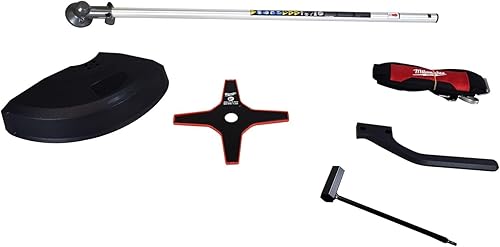
The Milwaukee Electric Quik-LOK brush cutter attachment has a 9 in cutting width and runs at 6200 rpm. Its model number is 49-16-2738, and the attachment weighs 6.5 lb.
A brush cutter still needs careful setup. Clear people, pets and loose objects from the work area, wear the protective equipment required by the manual and keep the blade away from hidden stones, wire and other hazards.
For more context on the step up from lighter trimming, see our guide to what is a weed trimmer. If you are deciding between a string head and a blade, read our string trimmer vs brush cutter comparison.
Which tool is better for leaves and loose debris?
A mulcher is better for leaves and loose yard debris because it is built to collect or reduce material after cutting. It does not need to attack rooted brush.
The BLACK+DECKER Leaf Blower Leaf Vacuum and Leaf Mulcher is a corded electric, 3-in-1 handheld tool. It combines a blower, vacuum and mulcher with a 12 amp motor, 250 mph maximum speed and 400 CFM air flow.
Its high-impact metal fan helps prevent clogging while mulching. The tool includes disposable bags, a reusable bag assembly, a detachable shoulder strap, a concentrator, a blow tube and a vacuum tube.
The DEKOPRO Electric Leaf Mulcher/Shredder uses a 15 amp motor that spins at 8200 rpm. It has a 17:1 reduction ratio, an adjustable control dial and nylon cutting line rather than blades.
The DEKOPRO includes 20 extra cutting lines. It is designed for leaves, pine needles and grass, but it is not suitable for highly resilient material such as melons, fruits or grass roots.
For a lighter cleanup job, the best weed eater for brush cutting guide can help you decide whether a trimmer-style tool is enough. If you use one, review how to use a weed trimmer.
A leaf mulcher becomes more useful when the material is already cut and spread across the ground.
How does the debris differ after each tool?
A brush cutter leaves cut vegetation on the ground, while a mulcher leaves smaller material that is easier to collect or manage. Plan the second step before you choose the first tool.
After brush cutting, you may have long stems, chopped stalks and larger pieces of vegetation. A rake, tarp, bag or second cleanup tool may be needed, depending on the area and the amount of material.
Those cut pieces can spread across the work area and hide smaller debris underneath. You may need to sort thick stems from lighter leaves before disposal or composting.
Densely packed growth can also take longer to gather than the cutting itself.
A mulcher changes the size of loose debris. The DEKOPRO's 17:1 reduction ratio is aimed at making garden waste easier to manage, while the BLACK+DECKER combines mulching with vacuum collection.
Smaller debris usually fits into fewer bags or bins and is simpler to move to a compost area. That benefit only applies when the input is loose and suitable for the machine.
Standing brush must be cut and cleared before it can be treated as mulchable material.
The mulcher route still needs a disposal plan. Reduced leaves and grass may go to compost, curbside collection or a garden bed, depending on local rules and the condition of the material.
Wet or matted debris can need extra handling before it breaks down well.
Neither tool removes the need to sort the work area. Keep stones, wire, thick roots and unsuitable objects away from equipment that is designed for leaves or lighter yard debris.
Sorting before you start also protects collection bags and internal parts from damage. A quick walk of the area can remove items that would interrupt work or create a safety risk.
Loose objects should be cleared before any blade, fan or shredding part is running.
Plan both steps in order and the choice becomes clearer. Cut standing growth first when that is the job, then gather or reduce what remains.
Use a mulcher only for loose material that is already ready for collection and size reduction.
Which product fits your yard work?
Pick the EGO attachment for thick brush, the Milwaukee attachment for a compatible Quik-LOK setup, the BLACK+DECKER for mixed leaf cleanup or the DEKOPRO for dedicated leaf reduction. Your existing power system and the material type should decide the match.
EGO Power+ BCA1220: best for thick standing brush
The EGO attachment offers the widest cutting width here at 12 in. Its 3-tooth steel blade is intended for overgrown brush, thick stalky vegetation and saplings up to 1 in thick.
It uses a carbon fiber shaft and has IPX4-rated weather-resistant construction. EGO states that the shaft is backed by a lifetime warranty.
Compatibility is the main buying check. This attachment is exclusively compatible with the EGO POWER+ Multi-Head System Power Head PH1420, which is available separately.
The description also identifies EGO POWER+ Multi-Head System Power Heads PH1400 and PH1420 for use.
Milwaukee Electric: best for Quik-LOK users
The Milwaukee attachment has a 9 in cutting width and 6200 rpm speed. It is a dedicated brush cutter attachment with model number 49-16-2738.
Its 6.5 lb weight is higher than the EGO attachment's 2.2 lb weight, but weight alone does not decide comfort. Balance, the compatible power head and the length of the cutting session also matter.
Confirm that your existing tool setup accepts Milwaukee Quik-LOK attachments before you choose it. The attachment format is useful only when the power system matches.
For more options in this tool class, see our gas brush cutter reviews. If the work involves long clearing sessions, our best brush cutter harnesses guide covers ways to support a compatible brush cutter setup.
BLACK+DECKER BV6000: best for blowing and vacuuming
The BLACK+DECKER BV6000 suits homeowners who want several leaf-cleanup functions in one corded electric tool. It has 2 speed selections, a 12 amp motor, 250 mph speed and 400 CFM air flow.
Its 3-in-1 format lets you switch between blowing, vacuuming and mulching. The high-impact metal fan is intended to reduce clogging during mulching, and the disposable bag system supports quick disposal.
The corded design means you need a suitable extension cord and a workable route around the yard. Keep the built-in cord retainer engaged as directed so the connection remains secure during use.
DEKOPRO Electric Leaf Mulcher/Shredder: best for reducing loose leaves
The DEKOPRO focuses on shredding rather than blowing or vacuuming. Its 15 amp motor spins at 8200 rpm, and its 17:1 reduction ratio can reduce the volume of suitable garden waste.
The adjustable control dial lets you change cutting modes for different debris and mulch needs. Its blade-free design uses replaceable nylon cutting line, and 20 extra lines are included.
The unit can be disassembled for storage and has 2 wheels for transport. It is not a brush cutter, and it should not be used with highly resilient objects such as melons, fruits or grass roots.
What should you check before buying?
Check the material, compatible power system, cutting width and cleanup plan before choosing between a brush cutter and mulcher. These checks prevent a tool mismatch.
First, identify whether the material is standing or loose. Standing brush points to a brush cutter.
Leaves and already-cut grass point to a blower, vacuum or mulcher.
Next, check the power system. The EGO attachment requires an EGO POWER+ Multi-Head System Power Head, while the Milwaukee model is a Quik-LOK brush cutter attachment.
The BLACK+DECKER is corded electric, and the DEKOPRO uses AC power.
Then consider the size of each pass. A wider cutting width can cover more ground per sweep, but it does not make a tool suitable for material outside its intended use.
Finally, plan the debris route. A brush cutter may leave cut growth that still needs gathering.
A blower-vac can collect and mulch leaves, while the DEKOPRO focuses on reducing loose material.
How should you use and care for either tool?
Follow the exact manual for assembly, protective equipment, operating limits and maintenance. General care starts with matching the tool to the material and keeping unsuitable objects away.
Inspect the work area before starting. Remove loose objects that could be thrown, and avoid cutting into hidden wire, stones or other debris.
For brush cutter attachments, check the blade and shaft before use. Stop if the blade becomes damaged, the attachment vibrates unusually or the power system does not connect as intended.
For a blower-vac, keep the intake and tubes clear. Empty or replace collection bags as directed, and keep the cord away from the moving path.
For the DEKOPRO, use the adjustable control dial for suitable debris and replace the nylon cutting line as needed. Store the unit in a dry, organized place after it is disassembled for storage.
Brush cutter vs mulcher: which should you choose?
Choose a brush cutter when you need to cut standing brush, thick stalks or suitable saplings. Choose a mulcher when you need to reduce leaves and loose yard debris after it is already on the ground.
Choose the EGO Power+ BCA1220 for the widest cutting width and thick standing brush when you have the compatible EGO power head. Choose the Milwaukee Electric attachment if your equipment uses Milwaukee Quik-LOK.
Choose the BLACK+DECKER BV6000 when blowing, vacuuming and mulching leaves in one corded electric tool matters most. Choose the DEKOPRO when your main goal is reducing suitable loose garden waste with a 17:1 ratio.
If the job starts with light grass or weeds and only sometimes reaches heavier brush, compare the tool levels in String Trimmers and Edgers: The Complete Buying Guide. Match the machine to the first material you need to clear, then plan how you will handle the debris left behind.
Frequently asked questions
What is the main difference between a brush cutter and a mulcher?
A brush cutter cuts standing vegetation with a blade, while a mulcher reduces loose leaves and yard debris into smaller pieces. Use a brush cutter for thick grass, brush, stalks and suitable saplings.
Use a mulcher after material is already on the ground and ready for collection or composting.
Can a mulcher cut through brush?
A leaf mulcher is not a replacement for a brush cutter. The BLACK+DECKER tool handles leaves and yard debris with a blower, vacuum and mulcher design, while the DEKOPRO shredder is intended for leaves, pine needles and grass.
Clear standing brush with a suitable cutting tool first.
Is a brush cutter better for overgrown grass?
A brush cutter is usually the better choice for overgrown grass mixed with thick stalks or woody growth. The EGO attachment has a 3-tooth steel blade and a 12 in cutting width for overgrown brush, thick stalky vegetation and saplings up to 1 in thick.
Which tool is better for leaves?
A mulcher is better for leaves because it collects or reduces loose debris after it falls. The BLACK+DECKER combines blowing, vacuuming and mulching, while the DEKOPRO focuses on shredding with a 17:1 reduction ratio and adjustable control dial.


