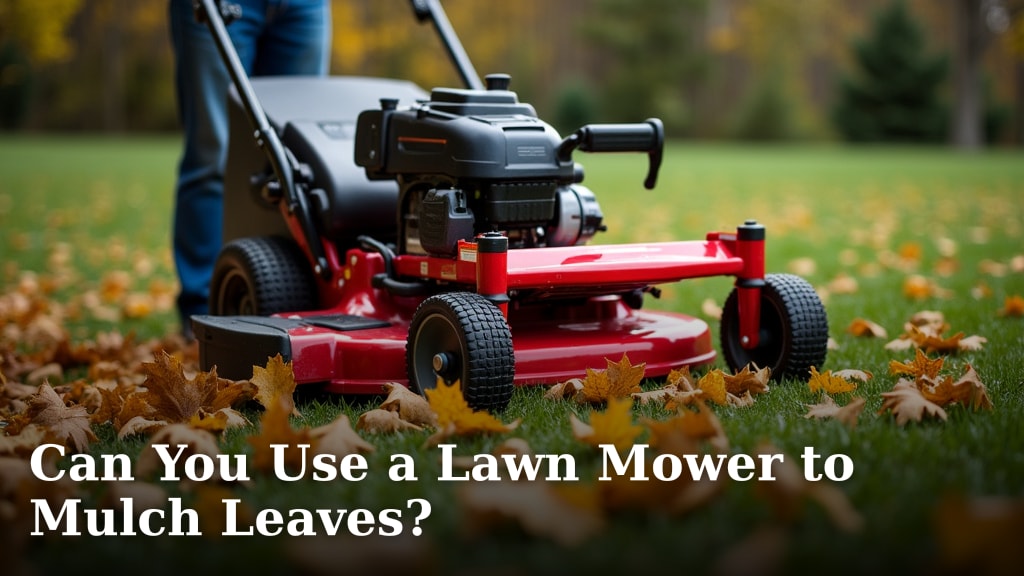
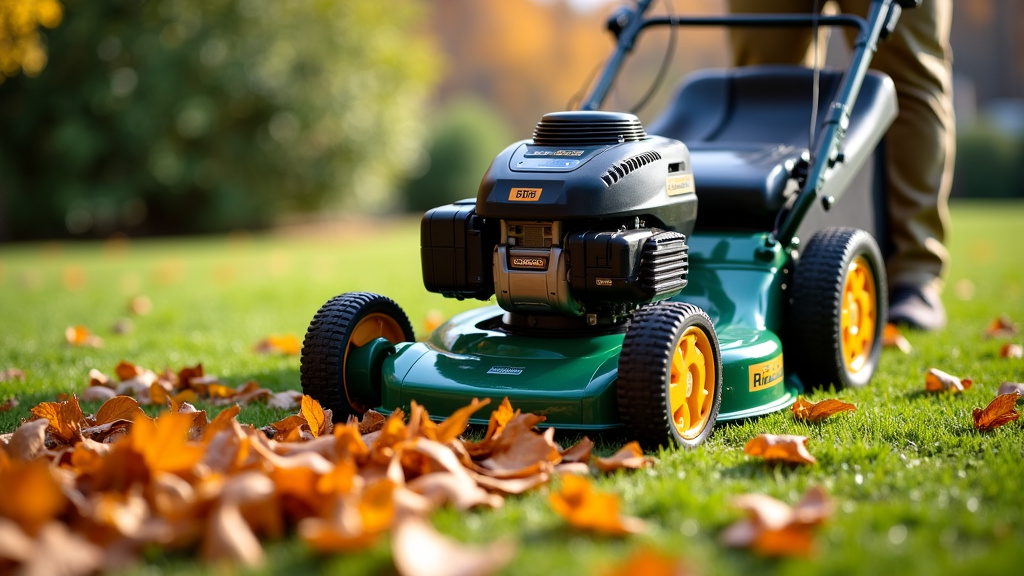
Yes, you can absolutely use a lawn mower to mulch leaves, and it’s a fantastic way to deal with them! This method saves you time and effort compared to raking. You’ll turn those bulky piles into tiny, nutrient-rich bits for your lawn.
We found that mulching leaves with your mower is one of the easiest and most effective ways to manage fall foliage. It helps improve your soil’s health over time. Plus, it’s much better for the environment than bagging them up for the curb.
TL;DR:
Mowing leaves is super effective.
It saves time and effort.
Enriches your lawn’s soil.
Better for the environment than bagging.
Helps your lawn stay healthy through winter.
So, let’s dive into all the clever ways you can use your trusty lawn mower to handle those autumn leaves like a pro. We’ll cover everything you need to know to get started!
Conclusion
Mulching leaves with your lawn mower is a genuinely smart move for your yard. You’re not just getting rid of leaves; you’re actively feeding your lawn. We found it’s a simple, effective method that benefits your soil and the environment.
You’ll appreciate the time saved and the healthier grass that emerges next spring. So, grab your mower, adjust your settings, and turn those fallen leaves into a fantastic resource. Your lawn will thank you!
Frequently Asked Questions
What’s the best time of day to mulch leaves?
You’ll find it easiest to mulch leaves when they are dry. Dry leaves chop up more efficiently and spread evenly across your lawn. Avoid mulching when leaves are wet, as they can clump and clog your mower.
Can mulched leaves attract pests to my lawn?
When mulched properly into small pieces, leaves generally do not attract pests. A thin, even layer breaks down quickly. Pests are more likely to be an issue with thick, matted layers of whole or poorly mulched leaves.
How thin should the layer of mulched leaves be on my lawn?
Aim for a layer that allows you to still see some grass blades through it. If the layer is too thick, it can smother your lawn. You want to enrich the soil, not block out sunlight or airflow.
Do I need a special mulching blade for my lawn mower?
While a dedicated mulching blade can improve efficiency, it’s not strictly necessary. A standard blade will still chop leaves effectively. If you mulch leaves often, a mulching blade can give you finer pieces and better results.
Can I mulch all types of leaves with my lawn mower?
Yes, most common deciduous tree leaves can be mulched. However, very large or tough leaves (like magnolia or sycamore) might require multiple passes. Pine needles can also be mulched, but they break down slower.
Over Top Info is your trusted guide for smart product research and online buying decisions, reviewing everything from everyday gadgets and home essentials to practical tools and lifestyle products to help readers compare options clearly and choose with confidence.