
Can You Use Regular Gas in a Lawn Mower?
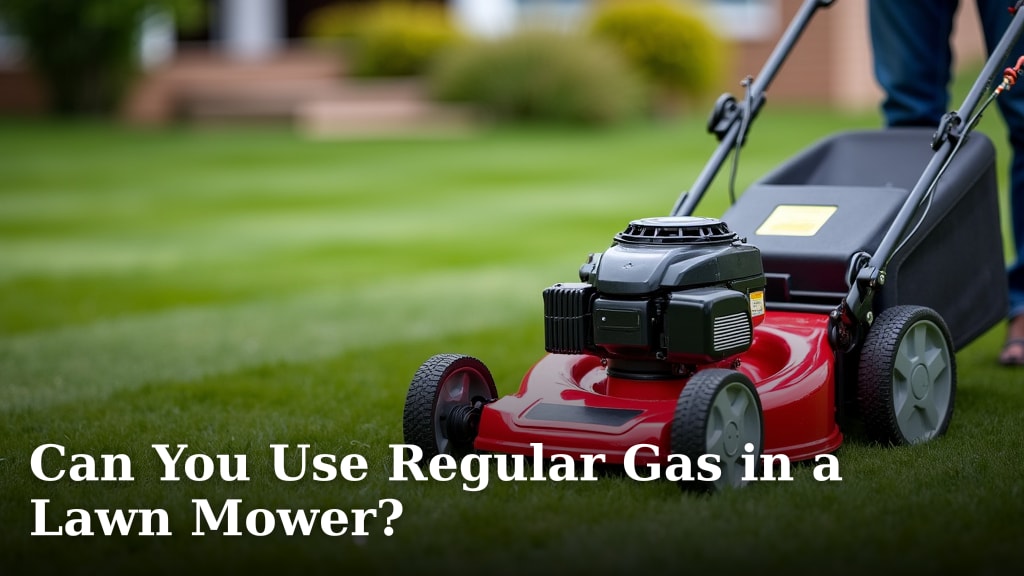
Yes, you can generally use regular gasoline in most lawn mowers, but it’s not always the best choice for your engine. Most modern mowers are designed to run on unleaded gasoline with an octane rating of 87. Using higher octane gas is typically unnecessary and won’t provide any real benefit.
However, it’s important to know that not all gasoline is created equal for lawn equipment. Ethanol, a common additive in regular gas, can cause problems over time. We found that prolonged exposure to ethanol can lead to corrosion and damage in your mower’s fuel system components.
- Most lawn mowers run on regular 87 octane unleaded gas.
- Higher octane fuel isn’t necessary and offers no advantage.
- Be aware of ethanol content in your gasoline.
- Ethanol can damage fuel lines and carburetor parts over time.
- Fresh fuel is always best for mower performance.
We’ve gathered information to help you make the right choice for your lawn mower’s health. Let’s go over what you need to know about using regular gas and keeping your mower running smoothly.
“`htmlFueling Your Lawn Mower: What Kind of Gas to Use
Most lawn mowers are designed to run on regular unleaded gasoline. This is typically the 87 octane fuel you find at the pump. Your mower’s manual is the best place to confirm the exact fuel requirements. If you’ve lost it, a quick online search for your mower’s make and model should provide the answer. Using the correct fuel is essential for your mower’s engine health and performance.
Understanding Octane Ratings for Your Mower
Octane is a measure of a gasoline’s ability to resist knocking or pinging. This is especially important in high-compression engines. Most residential lawn mower engines are not high-compression. They don’t need the higher octane found in premium fuels.
Does Higher Octane Help?
You might think that using premium gas is always better. However, for your lawn mower, higher octane fuel won’t provide any real benefit. It won’t make your mower run faster or cut grass more efficiently. In fact, it can be a waste of money.
What the Experts Recommend
Many engine manufacturers suggest using unleaded gasoline with an octane rating of 87. Some may allow up to 89 octane. Always check your owner’s manual for the manufacturer’s specific recommendations. They know their engines best.
The Ethanol Issue: A Mower’s Nemesis?
Here’s where things get a bit tricky with “regular” gasoline. Many standard gasolines contain ethanol. Ethanol is an alcohol added to fuel to help reduce emissions. While it’s common in cars, it can cause problems for small engines like those in lawn mowers.
What is Ethanol and Why is it in Gas?
Ethanol is typically made from corn or other plant materials. It’s blended with gasoline, often at a 10% concentration (E10). The U.S. government has promoted ethanol as a way to boost domestic agriculture and reduce reliance on foreign oil.
How Ethanol Can Harm Your Mower
Ethanol is hygroscopic. This means it attracts and absorbs water. Water in your fuel system can lead to corrosion. Ethanol can also eat away at rubber and plastic components within your mower’s fuel system, such as fuel lines, seals, and gaskets.
Corrosion and Material Damage
We found that prolonged exposure to ethanol-blended fuel can cause these materials to break down. This can lead to leaks. It can also cause small particles to break off and clog the carburetor. A clogged carburetor is a common reason for a mower not starting or running poorly.
Carburetor Clogging
The carburetor is a vital part of your engine. It mixes air and fuel. If it gets clogged with debris or damaged by ethanol, your engine won’t get the right fuel-air mixture. This means sputtering, stalling, or a complete failure to run. Many mechanics report that ethanol damage is a frequent issue they see.
Ethanol-Free Gas: A Better Alternative?
Many small engine manufacturers strongly recommend using ethanol-free gasoline whenever possible. This type of fuel is becoming more readily available. It eliminates the risk of ethanol-related damage.
Where to Find Ethanol-Free Gas
You might find ethanol-free gas at some marinas, airports, or specialty gas stations. Some brands specifically market recreational fuel or small engine fuel that is ethanol-free. It often costs a bit more, but for many, the added cost is worth the peace of mind.
Using Fuel Stabilizers
If you can only find ethanol-blended gas, a fuel stabilizer can help. Add it to your gas can whenever you fill up. Stabilizers help prevent fuel from degrading. They also help reduce the harmful effects of ethanol. Many experts recommend using a stabilizer, especially if your mower will sit for more than 30 days.
The Importance of Fresh Fuel
Regardless of the type of gasoline you use, fresh fuel is always best. Gasoline, especially when it contains ethanol, can degrade over time. We found that gas can start to go bad in as little as 30 days, particularly if stored improperly.
Why Stale Gas is Bad for Mowers
Old gasoline loses its volatility. This means it doesn’t burn as efficiently. It can leave behind gummy deposits. These deposits can clog fuel filters and carburetors. Using stale gas can lead to hard starting and poor engine performance. You might notice your mower sputtering or losing power.
Proper Fuel Storage Practices
To keep your gas fresh, store it in a clean, approved gas can. Keep the can in a cool, dry place away from direct sunlight and heat. This helps slow down the degradation process. For longer storage, consider using a fuel stabilizer or emptying the mower’s fuel tank.
What About E85 or Higher Ethanol Blends?
You should never use E85 or other high-ethanol blends (like E15) in your lawn mower. These fuels are not compatible with the materials used in most small engines. They can cause rapid and severe damage to your fuel system.
Why High Ethanol Blends are a No-Go
The higher concentration of ethanol in fuels like E85 is highly corrosive. It will quickly attack rubber and plastic components. Your mower’s fuel lines, seals, and gaskets are simply not designed to handle it. Using these fuels can lead to engine failure.
Always Read the Pump Label
Pay attention to the labels at the gas pump. Most pumps will clearly indicate the ethanol content. You’ll usually see labels like “May Contain Up To 10% Ethanol” or “E15”. Avoid any fuel with an ethanol content higher than 10% for your lawn mower.
Seasonal Mower Storage and Fuel
When you’re getting ready to put your mower away for the winter, what you do with the fuel is important. There are two main approaches for long-term storage.
Option 1: Run the Tank Dry
One method is to run the mower until it completely runs out of gas. This ensures there’s no fuel left in the tank or carburetor to go stale. Some people add a fuel stabilizer before doing this. This helps clean out any residual fuel system deposits. This is a simple and effective method for many.
Option 2: Fill the Tank and Stabilize
The other approach is to fill the gas tank nearly full with fresh, ethanol-free gasoline (if available). Then, add a quality fuel stabilizer according to the product’s instructions. Running the engine for a few minutes after adding the stabilized fuel helps distribute it throughout the entire fuel system. This method can help prevent moisture from condensing inside the tank during storage.
Quick Checklist for Your Mower’s Fuel
- Always check your owner’s manual for specific fuel recommendations.
- Prioritize 87 octane unleaded gasoline.
- Look for ethanol-free fuel when possible.
- If using ethanol gas, add a fuel stabilizer.
- Use fresh gasoline; avoid fuel that’s more than 30 days old.
- Store fuel in a cool, dry place in an approved container.
Conclusion
So, can you use regular gas in your lawn mower? Generally, yes, 87 octane unleaded gas is your mower’s standard. However, the ethanol content in that gas can cause trouble over time, leading to corrosion and damage. For the best engine health, aim for ethanol-free fuel when possible, or at least use a good fuel stabilizer. Always remember to use fresh fuel and properly store any extra gas you have. Taking these simple steps will help keep your mower running smoothly for seasons to come.
Frequently Asked Questions
Will using regular gas void my lawn mower’s warranty?
Using regular 87 octane unleaded gasoline typically will not void your lawn mower’s warranty. Most manufacturers design their engines for this common fuel type. However, always check your owner’s manual to be absolutely sure, as specific requirements can vary by brand and model.
How can I tell if my gas has ethanol?
Look for labels at the gas pump, which usually indicate if the fuel contains ethanol and at what percentage (e.g., “May Contain Up To 10% Ethanol” or “E10”). Ethanol-free gas is often labeled as “recreational fuel” or specifically marketed for small engines, but it’s always best to confirm with the station attendant if you’re unsure.
What happens if I accidentally put premium gas in my lawn mower?
Putting premium gas in your lawn mower is generally not harmful, but it’s a waste of money. Your mower’s engine is not designed to take advantage of the higher octane rating. You won’t see any performance benefits, and it won’t prevent any issues.
Can I use gas that’s been sitting in my shed for over a year?
No, you should avoid using gasoline that’s over a year old, especially if it was stored improperly. Stale gas loses its volatility and can form gummy deposits that clog your mower’s fuel system. It’s best to discard old gas safely and use fresh fuel for your mower.
Is it okay to mix old gas with new gas in my mower?
It’s not ideal to mix old gas with new gas. Even a small amount of stale fuel can degrade the fresh fuel and cause problems. It’s always best to use a full tank of fresh, clean gasoline. If you have a small amount of old gas, consider using it in a less critical application like a leaf blower or disposing of it properly.
