
Do You Need Ear Protection for Mowing?
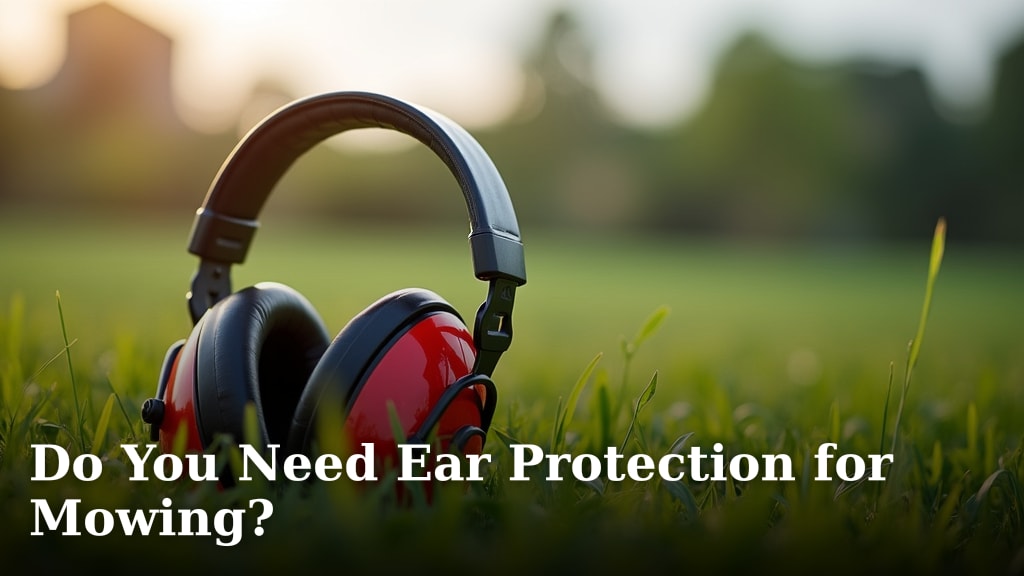
Yes, you absolutely need ear protection for mowing. Lawn mowers produce noise levels that can easily damage your hearing over time. Protecting your ears is a simple step with long-lasting benefits for your overall health.
That familiar hum of your mower might seem harmless, but prolonged exposure to loud noise can lead to permanent hearing loss and tinnitus. Many experts agree that anything above 85 decibels requires protection. Your lawn mower often exceeds this mark, making ear protection a smart safety measure.
- Mowing can permanently damage your hearing.
- Ear protection is essential for lawn care.
- Loud noise can cause hearing loss and tinnitus.
- Simple earplugs or earmuffs offer great protection.
- Protecting your ears is a key part of safe yard work.
Let’s break down why ear protection is so important for mowing and what options work best for you.
Protecting Your Hearing While Mowing Your Lawn
You might be wondering if your lawn mower is louder than you think. Many people do not realize the potential danger their yard equipment poses. Mowing your lawn is a common chore, but it can be surprisingly noisy. This noise can lead to hearing damage over time if you are not careful. We found that most lawn mowers operate at decibel levels that require hearing protection.
So, do you need ear protection for mowing? The short answer is a resounding yes. It’s not just about comfort; it’s about preventing permanent harm. Think of it like wearing a seatbelt in a car – a simple measure that safeguards your health. Protecting your ears is a small effort with massive long-term benefits.
Understanding the Decibel Danger Zone
You might ask, “How loud is too loud?” Health organizations have clear guidelines. The National Institute on Deafness and Other Communication Disorders (NIDCD) states that prolonged exposure to noise above 85 decibels (dB) can cause hearing loss. This is considered the danger zone for your ears.
Let’s look at some common noise levels to put this into perspective. A normal conversation is around 60 dB, which is perfectly safe. Even a busy street might register around 70-80 dB. However, a typical push mower can easily reach 90 dB or higher. Riding mowers can be even louder.
How Loud is Your Lawn Mower?
We found that many lawn mower models operate between 85 dB and 100 dB. Some professional-grade mowers can even surpass 110 dB. At 85 dB, hearing damage can occur after about 8 hours of exposure. But at 90 dB, that time is cut in half to just 4 hours. If your mower is at 100 dB, you could experience damage in as little as 15 minutes.
This means that mowing your lawn even a few times a month at these noise levels can start to affect your hearing. It’s not just about one long session; it’s about the cumulative effect over years. Your ears don’t get a “reset” button. Damage from loud noise is typically permanent and irreversible.
The Risks of Noise-Induced Hearing Loss
Noise-induced hearing loss (NIHL) is a serious condition. It’s not something that happens overnight. Instead, it’s a gradual process that can creep up on you. You might not even notice it at first. Your ears may become less sensitive to certain sounds, especially higher pitches.
Symptoms can include difficulty understanding conversations, especially in noisy environments. You might find yourself asking people to repeat themselves often. Some people also experience tinnitus, which is a ringing or buzzing sound in the ears that isn’t caused by an external sound. Tinnitus can be very distracting and even lead to sleep problems.
What is Tinnitus?
Tinnitus is often described as a ringing, buzzing, hissing, clicking, or roaring sound in the ears. It can range from a mild annoyance to a debilitating condition. Many people who experience NIHL also develop tinnitus. The Mayo Clinic notes that loud noise exposure is one of the most common causes of tinnitus.
While there’s no cure for tinnitus, managing noise exposure is key to preventing it. If you already have it, protecting your ears from further loud noise is essential. It can help prevent the condition from worsening. So, even if you don’t have tinnitus now, taking steps to protect your hearing is a good idea.
Choosing the Right Ear Protection for Mowing
The good news is that protecting your hearing while mowing is straightforward and affordable. There are several types of ear protection available, and most are very effective. The most common options are earplugs and earmuffs.
When selecting ear protection, you’ll want to look at something called the Noise Reduction Rating (NRR). This number tells you how much the hearing protection is designed to reduce noise. A higher NRR means more protection. You need protection that brings the noise level down to a safer range for your ears.
Earplugs: Small but Mighty Protectors
Earplugs are small devices that you insert into your ear canal. They are generally inexpensive and easy to carry around. You can find them in a few different styles:
- Disposable foam earplugs: These are the most common type. You roll them down, insert them into your ear canal, and they expand to create a seal. They are great for single use and very effective if inserted correctly. We found many users find them comfortable for shorter periods.
- Reusable silicone or wax earplugs: These can be molded to fit your ear canal and are designed for multiple uses. They offer good noise reduction and can be a more comfortable option for some people over longer mowing sessions.
- Custom-molded earplugs: These are made specifically for your ears by an audiologist. They offer the best fit and comfort, and excellent noise reduction. They are a more expensive option but a great investment if you mow frequently.
For mowing, we recommend earplugs with an NRR of at least 20 dB. Make sure you read the instructions carefully for insertion. A good seal is critical for them to work effectively. If you can hear the mower clearly, they might not be inserted properly or might not offer enough protection.
Earmuffs: Covering Your Ears for Safety
Earmuffs are larger devices that cover your entire ear. They provide a physical barrier against noise. Many people find earmuffs more comfortable than earplugs, especially for longer periods. They are also very easy to put on and take off.
Earmuffs typically have an NRR of 20-30 dB, sometimes higher. This makes them a very effective choice for loud machinery like lawn mowers. They often have a padded headband and cups that fit snugly around your ears, creating a good seal.
Choosing Between Earplugs and Earmuffs
Both earplugs and earmuffs can provide excellent protection. The best choice for you often comes down to personal preference and comfort. Here’s a quick comparison:
| Feature | Earplugs | Earmuffs |
|---|---|---|
| Portability | Very high – fit in your pocket | Moderate – can be bulky |
| Ease of Use | Requires proper insertion technique | Easy to put on and adjust |
| Comfort | Can be uncomfortable for some over time | Generally comfortable for longer wear |
| Cost | Very affordable, especially disposables | Moderately priced, durable options available |
| Protection Level (NRR) | Can vary, typically 20-33 dB | Typically 20-30 dB, some higher |
If you wear glasses, you might find earmuffs slightly more comfortable, as the cups can sometimes fit over the arms of your glasses. However, a good seal is important for both. If you can feel sound leaking in, you need to adjust them or try a different type. Many experts suggest combining both for maximum protection in very loud environments, but for typical lawn mowing, one or the other is usually sufficient.
Hybrid Options and Other Considerations
There are also hybrid options, like ear defenders that combine aspects of both earmuffs and earplugs. Some electronic earmuffs allow you to hear important sounds, like warnings or conversations, while still blocking out the damaging mower noise. These can be a great choice for safety and convenience.
No matter which type you choose, ensure it fits well and creates a good seal. Check the NRR rating and aim for at least 20 dB for mowing. Remember, even a small gap can drastically reduce the protection offered. It’s like a leaky faucet – a small drip can still waste a lot of water, or in this case, damage your hearing.
Making Ear Protection a Habit
The best ear protection is the kind you will actually use. So, make it a habit to grab your earplugs or earmuffs every time you head out to mow. Keep them in a convenient place, like in your garage or with your lawn care tools.
Consider it part of your pre-mowing checklist. Just like checking your fuel or tire pressure, checking your hearing protection is a vital step. It ensures you can enjoy a well-manicured lawn without compromising your long-term hearing health. Your future self will thank you for it.
Simple Steps for Consistent Protection
Here’s a quick checklist to help you make ear protection a routine:
- Keep protection visible: Store earplugs or earmuffs where you’ll see them before mowing.
- Make it easy: Have a designated spot for your ear protection.
- Start the habit: Put on your protection before starting the mower.
- Check the seal: Ensure your earplugs or earmuffs are fitted correctly.
- Clean or replace: Keep reusable protection clean and replace disposables when needed.
- Educate others: Share the importance of ear protection with family or neighbors.
Conclusion
You’ve learned that mowing your lawn can be surprisingly loud. The noise your mower produces can lead to permanent hearing damage and tinnitus over time. Protecting your ears with simple earplugs or earmuffs is a small but vital step you can take. It doesn’t take much effort to prevent lasting harm to your hearing. Make it a routine part of your lawn care. Grab your hearing protection before you start the engine.
Frequently Asked Questions
Can mowing my lawn really damage my hearing?
Yes, research shows that many lawn mowers operate at decibel levels that can cause hearing damage with prolonged exposure. Even regular mowing without protection can lead to gradual, irreversible hearing loss over the years. Protecting your ears is a smart habit to develop.
What is the NRR rating I should look for?
For mowing, we recommend looking for ear protection with a Noise Reduction Rating (NRR) of at least 20 dB. This rating indicates how much the earplugs or earmuffs can reduce noise. Higher NRR means more protection, bringing the mower’s loud sounds to a safer level for your ears.
Are earplugs or earmuffs better for mowing?
Both earplugs and earmuffs offer excellent protection if used correctly. Earplugs are very portable and affordable, while earmuffs are often easier to wear for longer periods and may be more comfortable if you wear glasses. Your personal preference for comfort and ease of use will guide your choice.
How often should I replace disposable earplugs?
Disposable foam earplugs are designed for single use, or at most a few uses if kept clean and undamaged. For consistent protection, it’s best to use a fresh pair each time you mow. This ensures a proper seal and maximum noise reduction for your safety.
Can I still hear important sounds like alarms if I wear ear protection?
Standard earplugs and earmuffs will block a significant amount of noise, potentially muffling important sounds. Some electronic earmuffs are available that allow you to hear ambient sounds or warnings while still protecting your hearing from the mower’s loud engine. These can be a great option for added safety.
