
How Often Should You Oil a Chainsaw Chain?
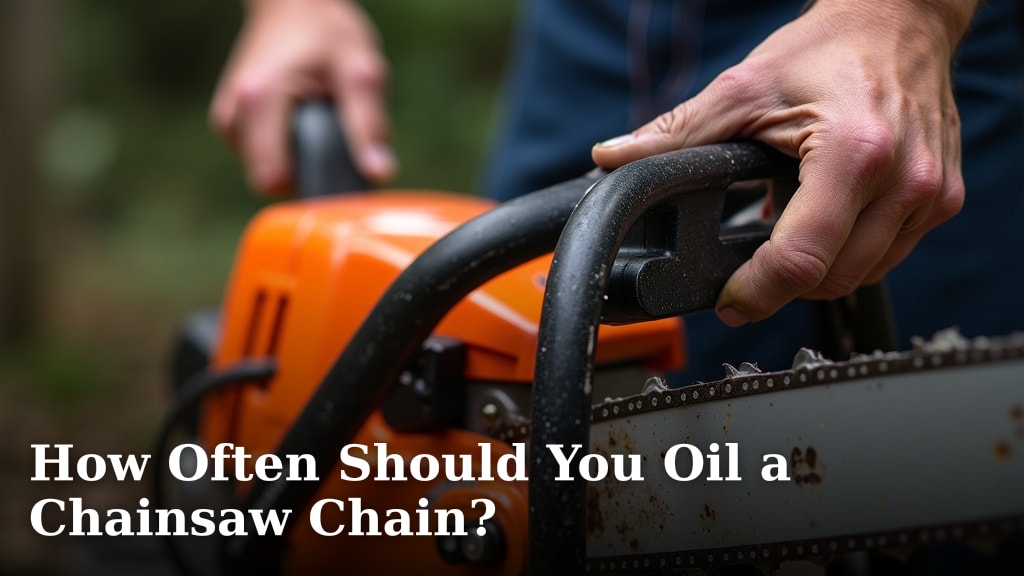
You should oil your chainsaw chain every time you use it, or at least before each cutting session. This ensures your chain remains lubricated, reducing friction and wear. Proper lubrication is key for a smooth-running chainsaw and a longer lifespan for your equipment.
Ignoring chain lubrication can lead to several problems. A dry chain heats up quickly, dulling your chain and bar much faster. It also puts unnecessary strain on the engine. Many users find that consistent oiling prevents these issues, saving them time and money on repairs. So, making it a habit is essential for maintenance.
- Oil your chainsaw chain before every use.
- This prevents friction and wear on the chain and bar.
- Regular oiling extends the life of your chainsaw.
- Neglecting it leads to faster dulling and potential engine strain.
- It’s a simple step for better performance and longevity.
Let’s walk through exactly why this simple step makes such a big difference and how to do it right.
How Often Should You Lube Your Chainsaw Chain?
You should oil your chainsaw chain before every use. This simple habit is the golden rule for keeping your saw running smoothly. Think of it like giving your car an oil change before a long trip. It just makes sense for good performance.
Many users find that a quick check and fill before each session prevents a host of headaches. You want your chain to cut through wood, not fight against itself. We found that consistency is key here. A dry chain is a sad chain, and a sad chain leads to a sad user.
Why Lubrication is Non-Negotiable for Your Chainsaw
Your chainsaw chain and bar work together like a dance. The chain moves at high speeds over the bar. This creates a lot of friction. Without oil, this friction turns into heat. Heat is the enemy of metal parts. It can warp them and cause premature wear.
This is why oiling is so important. The lubricant forms a protective film. This film separates the metal surfaces. It drastically reduces friction between the chain and the bar. It also cools the chain as it moves. This keeps everything at a manageable temperature. Many experts agree this is the most critical step for chain health (Oregon Chain Saw Manual).
The Dangers of Running a Dry Chain
What happens if you skip the oil? You’re asking for trouble. A dry chain will heat up very quickly. This heat can actually harden the metal of your chain and bar. This makes them more brittle. It also dulls the cutting teeth much faster.
You’ll notice your saw starts to cut poorly. You might need to push harder. This puts extra strain on your engine. A strained engine can overheat. It can also lead to a shorter lifespan for your powerhead. We found that avoiding this strain saves money on repairs down the line.
Accelerated Wear and Tear
Friction wears down metal. It’s a basic physics principle. When your chain is dry, the friction is intense. This means the chain links themselves start to wear. The rivets that hold the chain together also suffer. The bar groove where the chain rides can become wider and deeper.
This wear isn’t just cosmetic. A worn chain won’t cut straight. It can also “whip” or bounce more. This is dangerous. A worn bar can cause the chain to bind. This can lead to kickback, which is a serious safety risk. We found that regular oiling is the easiest way to prevent this accelerated wear.
Dulling and Damage to the Bar
Think about what happens when you rub two sticks together rapidly. They get hot, right? Now imagine that happening thousands of times a minute with steel. The cutting edges of your chain teeth will dull quickly without lubrication. They become rounded instead of sharp.
The bar itself takes a beating, too. The heat generated can cause it to warp slightly. This affects the groove shape. A damaged bar is expensive to replace. Many users report that a properly oiled chain cuts cleanly and stays sharp longer. This means less time spent sharpening and more time cutting.
Understanding Your Chainsaw’s Oiling System
Most modern chainsaws have an automatic oiling system. This system is designed to deliver oil to the chain. It usually does this through a small pump. The pump is driven by the chain’s movement. As the chain moves, it activates the pump. The pump then sends oil to the bar. The oil flows through channels in the bar and lubricates the chain.
You’ll often see a small hole at the tip of the bar. This is where the oil emerges. It then travels along the chain. You should be able to see a fine mist of oil coming off the chain as it runs. This is a good sign the system is working. We found this visual check is a simple way to confirm lubrication.
How the Pump Works
The oil pump is usually a small, spring-loaded mechanism. It’s located inside the chainsaw body. The rotation of the chain’s drive sprocket engages a gear. This gear is connected to the pump. As the chain spins faster, the pump delivers more oil. Some chainsaws allow you to adjust the oil flow rate.
This adjustment lets you match the oil output to your cutting conditions. Wetter wood might require more oil. Dry, hard wood might require less. Your owner’s manual will explain if your saw has this feature and how to use it. Many manufacturers recommend a medium setting for general use.
The Role of the Bar and Chain Oil
It’s important to use the right kind of oil. You need specific bar and chain oil. This oil is thicker than regular motor oil. It’s designed to stick to the chain. It also has properties to resist being thrown off by centrifugal force. Regular motor oil is too thin. It will likely be flung off the chain quickly.
Bar and chain oil often contains tackifiers. These make the oil cling to the chain. It also has additives to help with lubrication and cooling. Using the correct oil ensures the lubrication system functions as intended. We found that using the wrong oil is a common mistake that leads to problems.
When to Check and Refill Your Chainsaw’s Oil Reservoir
The simplest answer is: before every cutting session. Make it part of your pre-flight check. Before you start the engine, check the oil level. If it’s low or empty, refill it. This habit will serve you well.
How much oil does it use? This depends on your saw and how long you’re cutting. A good rule of thumb is that the oil reservoir should empty around the same time the fuel tank does. If your oil tank is emptying much faster or slower than your fuel tank, you might need to adjust the oiler or investigate a problem. Many users find this a useful guideline.
Estimating Oil Consumption
It’s not an exact science, but you can get a feel for it. A typical chainsaw might use about one ounce of oil per hour of operation. This can vary greatly. Factors like chain speed, cutting load, and ambient temperature play a role. If you’re cutting through very dense hardwood, your saw will likely use more oil.
If you’re doing light limbing in soft wood, it might use less. Pay attention to how fast your oil tank empties relative to your fuel. If you refill your fuel tank two or three times, and the oil tank is still full, something is likely wrong with the oiler. We found that observing this ratio is a practical way to monitor your oiler’s function.
Visual Cues and the “Fling Test”
A simple way to check if your oiler is working is to run the saw at full throttle for a few seconds without cutting. Hold the tip of the bar near a light-colored surface, like a piece of cardboard. You should see a fine mist of oil being thrown off the chain. This is called the “fling test.”
If you don’t see this oil mist, your oiler might not be working correctly. Check the oil level first, then the oiler passages. You might need to clean the oiler port on the bar. Blockages are common. This simple test can save you a lot of trouble. Many experienced users rely on this quick check.
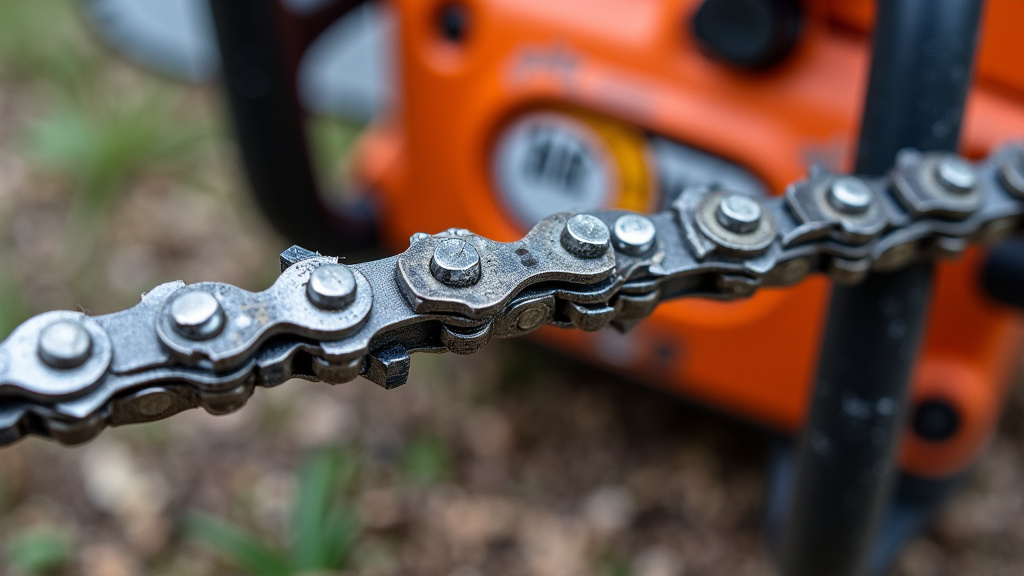
A Simple Checklist for Chainsaw Chain Lubrication
Making chain oiling a routine is easy. Follow these steps before you head out to cut:
- Check the Oil Level: Open the oil cap and ensure the reservoir is adequately filled.
- Refill if Necessary: Use only proper bar and chain oil.
- Inspect the Oiler Port: Make sure the small hole on the bar isn’t clogged with sawdust.
- Perform the “Fling Test”: Briefly run the saw at full throttle and check for oil mist.
- Wipe Down the Chain and Bar: A quick wipe can remove debris before oiling.
By incorporating these checks, you’re ensuring your saw is ready for action. This small effort goes a long way.
| Condition | Oil Check Frequency | Oil Refill Recommendation |
|---|---|---|
| Before every cutting session | Always | Top off if below 1/2 full |
| After prolonged use (e.g., several hours) | Check reservoir level | Refill as needed |
| If the saw sits idle for a week or more | Check reservoir level | Ensure it’s full |
| If experiencing cutting issues or chain heating | Immediately | Check and refill, then run test cut |
This table provides a quick reference. Remember, it’s always better to have a little too much oil than not enough. We found that most issues stem from neglecting this simple lubrication step.
Conclusion
You’ve learned that oiling your chainsaw chain isn’t just a suggestion; it’s essential for performance and longevity. Consistent lubrication before every use prevents the damaging heat and friction that can quickly dull your chain and bar. We found that a simple habit of checking and refilling your oil reservoir protects your engine from strain and saves you money on repairs. Making this a routine is the easiest way to ensure your saw cuts cleanly and efficiently. So, before you start your next job, take that extra minute to ensure your chain is well-oiled. Your chainsaw will thank you for it!
Frequently Asked Questions
How often should I check my chainsaw’s oil level?
You should always check your chainsaw’s oil level before every cutting session. This simple habit ensures you start each job with adequate lubrication. If you notice the oil tank emptying faster than the fuel tank, it’s a good sign to investigate.
What’s the difference between bar and chain oil and regular motor oil?
Bar and chain oil is specifically formulated to be thicker and stickier, preventing it from being flung off the chain at high speeds. Regular motor oil is too thin for this purpose and won’t provide the necessary lubrication or protection.
Can I use a manual oiler if my chainsaw doesn’t have an automatic system?
Yes, some older or specialized chainsaws use manual oilers. In this case, you’ll need to manually apply oil to the chain and bar at regular intervals during use. Consult your saw’s manual for specific instructions.
What if I see little to no oil coming off the chain during the “fling test”?
If you don’t see an oil mist during the fling test, first ensure the oil reservoir is full. Then, check that the oiler port on the bar isn’t clogged with sawdust or debris. You may need to clean the port and ensure the oil pump is functioning correctly.
Does the type of wood I’m cutting affect how often I should oil the chain?
Yes, cutting very dense or hard woods can increase friction and heat, potentially requiring more frequent oiling or ensuring your oiler is set to a higher flow rate if adjustable. Softer woods might use oil more slowly.
