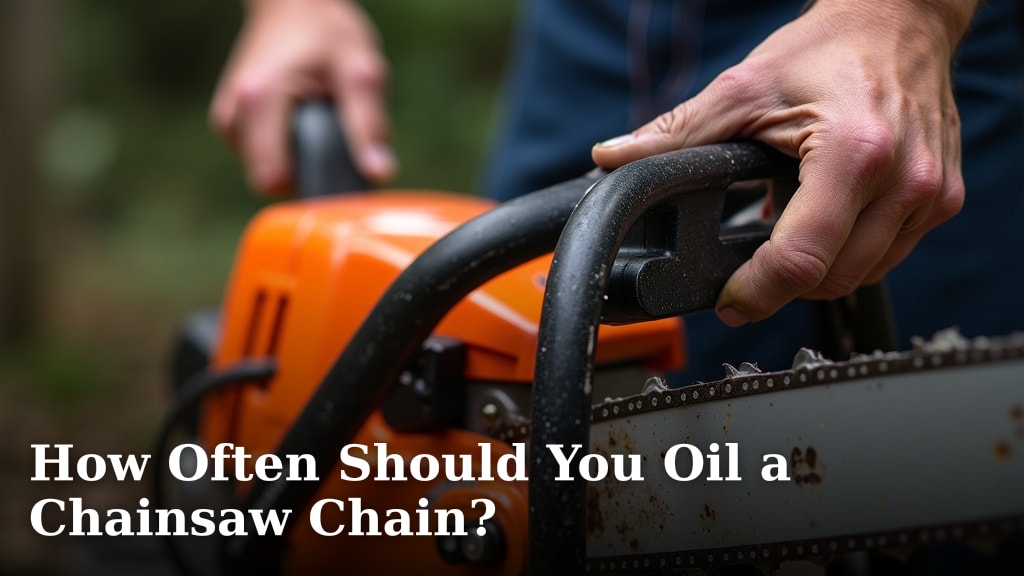
Why Is My Chainsaw Chain Not Spinning?
On this page (5 sections)
Your chainsaw chain isn’t spinning because of a few common culprits, most often a lack of chain tension or an issue with the clutch or sprocket. Don’t worry, these are usually fixable problems that won’t keep you from your work for long. We’ve researched the most frequent reasons this happens to help you get back to cutting.
When your chainsaw chain stops moving, it can be frustrating. It usually means something is preventing the chain from turning freely around the bar. We found that simple issues like a dull chain or a clogged oiler can also contribute to the problem. Understanding these can save you time and headaches.
- Chain tension is often the main culprit.
- Check the clutch and sprocket for wear or damage.
- A dull chain or blocked oiler can also stop it.
- Safety first: always disconnect the spark plug before checking.
Let’s break down exactly why your chainsaw chain might not be spinning and how you can get it moving again.
Troubleshooting Your Chainsaw Chain’s Lack of Movement
When your chainsaw chain suddenly stops spinning, it’s a real drag. You’re in the middle of a job, and then… nothing. This common issue usually points to a few key areas. Many users find that the problem is often simpler than they think. We’ve researched the most frequent reasons this happens to help you get back to cutting.
Checking the Chain Tension: The Most Common Culprit
The first thing to check is your chain tension. A chain that’s too loose can slip off the bar or simply stop moving. It might not have enough grip to turn. A chain that’s too tight can put excessive strain on the engine and other parts, also causing it to seize up.
You want your chain to be snug but still movable by hand. It should be tight enough that it doesn’t sag away from the bar. However, it should still be able to slide around the bar with a bit of effort. This is the sweet spot for proper tension. Many chainsaw manuals recommend a specific amount of sag or resistance.
How to Adjust Chain Tension Correctly
Adjusting tension is usually straightforward. Most chainsaws have a tensioning screw near the bar. You’ll typically need your scrench or a suitable tool. Turn the screw clockwise to tighten the chain and counter-clockwise to loosen it. Be sure to make small adjustments.
After each small adjustment, try to slide the chain around the bar. You should feel some resistance, but it should still move. If it’s stiff, it’s too tight. If it sags noticeably, it’s too loose. We found that several small turns are better than one big one.
Inspecting the Clutch and Sprocket Assembly
If your chain tension is good, the problem might be with the clutch or the sprocket. These parts work together to transfer power from the engine to the chain. If they aren’t engaging properly, the chain won’t spin.
The clutch is usually found behind a cover on the side of the chainsaw. It expands under centrifugal force when you rev the engine. This expansion allows it to grip a drum, which is connected to the sprocket. The sprocket then grips the chain and makes it move. Many experts say to check this assembly if tension seems fine.
Common Issues with the Clutch and Sprocket
A worn-out sprocket is a frequent offender. The teeth on the sprocket can become dull or rounded over time. This means they can’t properly grip the chain. If the teeth look pointed or very worn down, it’s time for a replacement. We found that a damaged sprocket can also cause the chain to jump off.
The clutch itself can also have issues. Springs can break, or the clutch shoes can wear unevenly. If you hear grinding noises when you expect the chain to move, it could be a clutch problem. Damage here means less power is transferred to the chain. Many owners report a loss of power before the chain stops completely.
Checking for Debris and Wear
Sometimes, the clutch drum or the sprocket area can get packed with sawdust and debris. This buildup can prevent the clutch from engaging properly. It can also interfere with the sprocket’s ability to turn the chain. You’ll want to clean this area thoroughly. Use a brush or compressed air.
Look closely at the sprocket for any bent or broken teeth. Also, check the clutch drum for scoring or damage. If you see any of these issues, it’s likely the cause of your spinning problem. We found that regular cleaning can prevent many of these issues.
When the Chain Itself is the Problem
Believe it or not, the chain itself can sometimes be the reason it’s not spinning. This can happen if the chain is damaged or if it’s just plain dull and has become stuck.
A Dull Chain’s Impact
A dull chain requires more force to cut. When a chain gets very dull, it can start to bind in the wood. This increased resistance can sometimes be enough to stop the chain from spinning, especially if the saw isn’t very powerful. It’s like trying to push a dull knife through tough material – it gets stuck!
If you’ve been cutting for a while without sharpening, this is a very likely suspect. Your saw is working harder than it should. We found that a dull chain can put undue stress on all the moving parts.
Damaged Chain Links
Check your chain for any bent or damaged links. A kink in the chain can prevent it from moving smoothly around the bar and sprocket. If a link is twisted or broken, the whole chain can seize up. This is a safety hazard, so inspect it carefully.
Sometimes, a damaged link might not be obvious. You might need to feel along the chain. If you find a link that doesn’t move freely, it needs to be addressed. Many repair guides suggest replacing the chain if significant damage is found.
The Role of Lubrication and Oiling
Proper lubrication is key to a chainsaw’s function. If the chain isn’t getting enough oil, friction increases dramatically. This can cause the chain to seize up or simply not spin properly.
Blocked Oiler or Reservoir
Chainsaws have an automatic oiling system. This system delivers bar oil to the chain as it runs. If the oil reservoir is empty, or if the oiler port is clogged with sawdust or debris, the chain won’t be lubricated. We found that a clogged oiler is a common oversight.
Check your bar oil level regularly. Also, ensure the oiling port on the bar and the pump outlet are clear of obstructions. You can often use a small wire or a thin tool to clear these. Many users forget to check this simple step.
Using the Correct Bar Oil
Using the wrong kind of oil can also cause problems. Regular motor oil or other lubricants aren’t designed for chainsaw bars. They can become sticky or not flow correctly, especially in different temperatures. Always use a specific bar and chain oil. This oil is formulated to cling to the chain and withstand the heat generated during use. We found that using the correct oil is vital for longevity.
Other Potential Obstacles to a Spinning Chain
While the issues above are the most common, a few other things could be preventing your chain from spinning. These might be less frequent but are still worth considering.
Engine Performance Issues
Sometimes, the problem isn’t with the chain or clutch directly, but with the engine’s ability to produce power. If your chainsaw engine is misfiring, running rough, or not reaching full RPMs, it might not have enough power to turn the chain, especially under load.
This could be due to a dirty air filter, a fouled spark plug, or fuel system problems. If the engine sounds weak or is struggling significantly, investigate these possibilities. We found that a healthy engine is fundamental for a spinning chain.
Bar Problems: Bent or Damaged
The guide bar itself can cause issues. If the bar is bent, warped, or the groove where the chain runs is damaged, it can impede chain movement. A damaged groove can cause excessive friction or even bind the chain.
Inspect the bar for any signs of damage. Check that the groove is clear and consistent. If the bar appears bent, it might need to be straightened or replaced. Many maintenance guides suggest checking the bar at the same time as the chain. We found that a damaged bar can make a new chain feel dull quickly.
The Role of the Chain Brake
Your chainsaw has a chain brake for safety. While it’s designed to stop the chain in emergencies, a malfunctioning chain brake could potentially cause problems. If the brake is stuck in the engaged position, it will prevent the chain from spinning even when it shouldn’t be.
Check that your chain brake is functioning correctly. Ensure it moves freely and disengages completely when you’re ready to cut. We found that a jammed brake is rare, but it’s a possibility.
Safety First: Before You Inspect
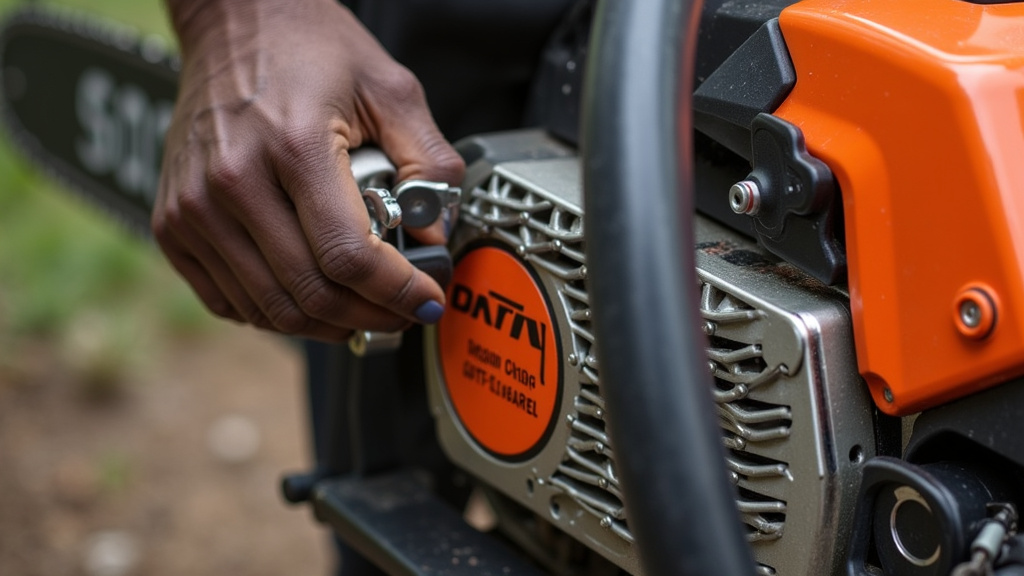
Before you dive into any of these checks, safety is paramount. Always disconnect the spark plug wire from the spark plug. This prevents the engine from accidentally starting while you’re working on the chain or bar. It’s a simple step that can save you from serious injury. We cannot stress this enough.
Quick Checklist for a Non-Spinning Chain
Here’s a quick rundown of what to look for:
- Disconnect spark plug: Always ensure the saw won’t start accidentally.
- Check chain tension: Is it too loose or too tight?
- Inspect sprocket: Are the teeth worn or damaged?
- Look for debris: Is sawdust or gunk jamming anything?
- Verify oil flow: Is the chain getting lubricated?
- Assess chain condition: Is the chain itself bent or damaged?
Conclusion
Your chainsaw chain not spinning can feel like a real setback, but we’ve found it’s often due to straightforward issues. Most commonly, a problem with chain tension, a worn clutch or sprocket, or a lack of proper lubrication stops things from moving. By systematically checking these areas, and always remembering to disconnect your spark plug first, you can usually diagnose and fix the problem yourself. Don’t let a stuck chain sideline your work; grab your tools and get your saw back in action.
Frequently Asked Questions
How tight should my chainsaw chain be?
Your chainsaw chain should be snug against the bar but still movable by hand with some resistance. It shouldn’t sag noticeably, but it also shouldn’t be so tight that it’s difficult to slide. We found that finding this balance is key for performance.
How often should I check my chainsaw chain tension?
It’s a good practice to check your chain tension before each use and after about 10-15 minutes of cutting. Chains can loosen or tighten as they heat up and cool down. We found that regular checks prevent most issues.
Can a dull chainsaw chain really stop it from spinning?
Yes, a very dull chain requires more force to cut through wood. If it becomes excessively dull, it can bind in the material, creating enough resistance to prevent the chain from spinning, especially on less powerful saws. We’ve found this is a common, often overlooked, problem.
What’s the best way to clean debris from the clutch and sprocket area?
You can use a brush, a small pick, or compressed air to clear sawdust and debris from around the clutch and sprocket. Ensure the area is completely clear so the clutch can engage properly. We found regular cleaning prevents many problems.
My chainsaw chain is spinning, but slowly. What could be wrong?
Slow chain spinning often indicates low engine power, insufficient lubrication, or a partially engaged clutch. Check your air filter and spark plug for the engine, ensure your bar oil reservoir is full and the oiler is clear, and inspect the clutch and sprocket for wear. We found these are the most common culprits for reduced speed.