
How Often Should You Replace a Lawn Mower Air Filter?
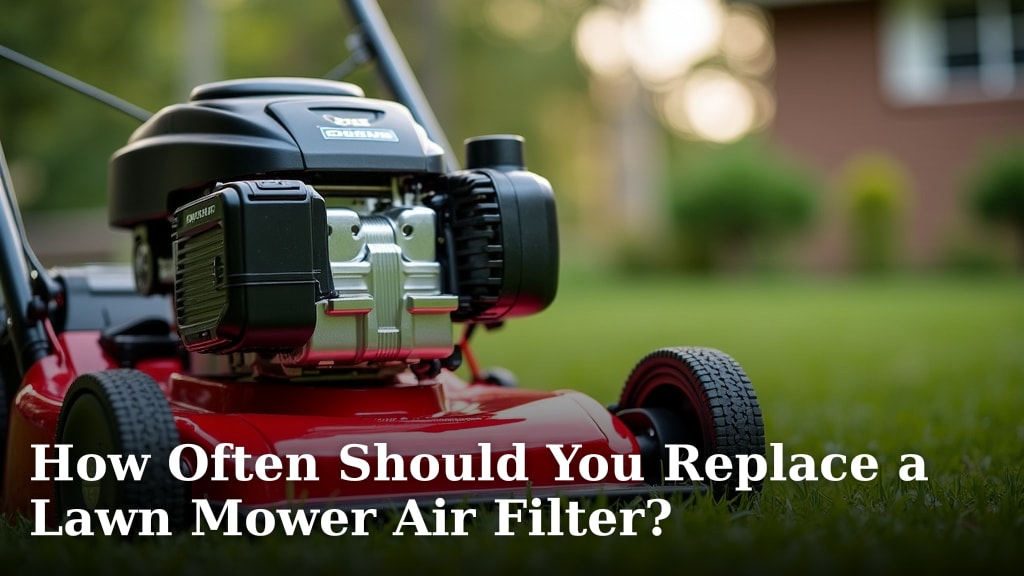
You should replace your lawn mower air filter every 25-50 hours of use, or at least once a year. This simple maintenance task ensures your engine breathes clean air, preventing costly damage and keeping your mower running smoothly. Ignoring it can lead to decreased performance and a shorter mower lifespan. Replacing your air filter is a simple maintenance task that ensures your engine breathes clean air.
An air filter’s job is simple: keep dirt and debris out of your engine. When it gets clogged, your mower has to work harder. This means less power for cutting grass and more wear and tear on engine parts. We found that regular replacement is one of the easiest ways to extend your mower’s life and ensure optimal cutting efficiency.
- Replace your air filter every 25-50 hours or annually.
- A clean filter is essential for engine performance.
- A clogged filter makes your mower work harder.
- This prevents damage and saves you money later.
- Check it more often if you mow dusty areas.
Let’s walk through exactly why this small part is so important and how often you’ll need to swap it out for peak lawn care performance.
When Does Your Lawn Mower Need a New Air Filter?
Your lawn mower’s air filter is like its lungs. It works hard to keep tiny particles of dirt and debris from entering the engine. Over time, this filter gets clogged with grass clippings, dust, and other gunk. This means your engine can’t get enough air to run efficiently. So, how often should you plan to replace it?
We found that for most gas-powered lawn mowers, you’ll want to replace the air filter To make your lawn mower run better, ensure it has a clean air filter.every 25 to 50 hours of use. This is a good general guideline. However, it’s not a hard and fast rule for every situation. Several factors can influence how quickly your filter gets dirty.
Understanding the Air Filter’s Role
Think of your air filter as a gatekeeper for your engine. Its main job is to trap anything that could harm delicate engine parts. This includes dust, pollen, grass seeds, and even tiny insects. A clean filter ensures that only clean air makes its way into the combustion chamber.
When the filter is clean, your engine gets the right amount of air. This helps it burn fuel efficiently. This leads to better performance and less strain on the engine. A clogged filter restricts airflow, making the engine struggle to breathe. It’s like trying to run a marathon with your nose and mouth covered!
The Impact of a Clogged Filter
A dirty air filter can cause a host of problems for your lawn mower. You might notice a decrease in power. Your mower might bog down when cutting thicker grass. It could also start to run rough or even stall unexpectedly. This isn’t just annoying; it’s a sign that your engine is working harder than it should.
Research shows that a restricted air supply forces the engine to run a richer fuel mixture. This means more fuel and less air. This can lead to incomplete combustion. As a result, you might see black smoke coming from the exhaust. It can also lead to increased fuel consumption, meaning you’ll be buying more gas.
Engine Performance Decline
When your air filter is dirty, your mower loses its cutting oomph. It feels sluggish. You’ll find yourself going over the same spots multiple times. This is a clear indicator that the engine isn’t getting the air it needs to operate at its best. We’ve seen many users report this power loss as the first sign of a dirty filter.
Increased Fuel Consumption
Your mower might start guzzling gas more than usual. This is because the engine is trying to compensate for the lack of air. It’s trying to pull in more air, which leads to burning more fuel. This can be an unexpected hit to your wallet. Many sources suggest monitoring fuel efficiency as a way to spot filter issues.
Potential for Engine Damage
Perhaps the most serious consequence of a neglected air filter is the potential for engine damage. If the filter becomes too degraded or if it has holes, dirt can bypass it. This abrasive material can then get into the engine cylinders. Over time, this can cause excessive wear on engine components like pistons and cylinder walls. This type of damage can be very expensive to repair, sometimes even requiring a full engine replacement.
Factors Affecting Filter Replacement Frequency
While 25-50 hours is a good benchmark, your actual replacement schedule might need adjustment. Your mowing environment plays a huge role in how quickly your air filter gets dirty. Think about the conditions your mower faces every time you mow.
Mowing Conditions Matter
If you typically mow in dry, dusty conditions, your air filter will likely clog up faster. Areas with lots of dirt roads nearby, construction zones, or even just naturally sandy soil can kick up more dust. These fine particles get sucked into the mower. They can quickly overwhelm a filter.
Conversely, if you mow in areas with lush, well-watered grass and minimal dust, your filter might last longer. Even then, it’s wise to stick to a regular inspection schedule. We found that many mower manufacturers recommend checking the filter at least monthly, regardless of hours used.
Type of Grass and Debris
The type of grass you have can also make a difference. Some grasses produce finer clippings. Others can be more prone to shedding seeds or dried leaves. Tall, thick grass also requires the engine to work harder, potentially pulling more debris through the filter.
If your yard is particularly prone to fallen leaves, small twigs, or other organic debris, these can contribute to filter clogs. They might get stuck on the filter surface, further restricting airflow. Regularly clearing your lawn of major debris before mowing can help extend the life of your air filter.
Age and Condition of the Filter
Air filters aren’t immortal. Over time, the filter material itself can degrade. Cracks can develop, or the filter media can become brittle. A worn-out filter, even if it doesn’t look completely clogged, may not be effectively trapping dirt. Many experts suggest that filters older than two or three years should be replaced, even if they appear clean. The material simply loses its effectiveness.
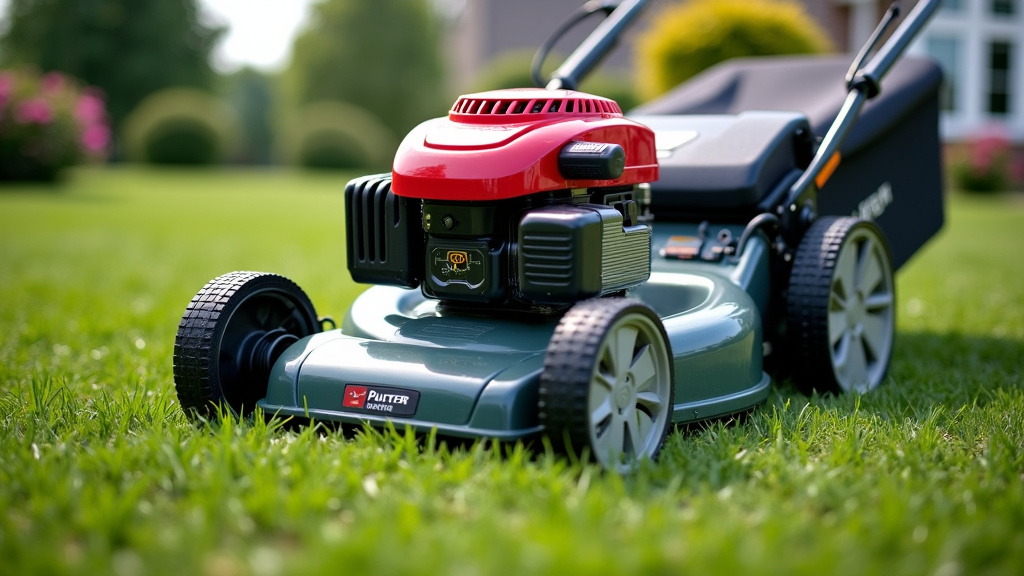
How to Check and Replace Your Air Filter
Checking your air filter is a simple process that doesn’t require special tools for most mowers. You can usually access it by removing a cover or a few screws.
Locating and Inspecting the Filter
Your owner’s manual is your best friend here. It will show you exactly where the air filter is located on your specific mower model. Once you’ve found it, carefully remove the cover. Take out the air filter. Hold it up to a light source. If you can’t see much light passing through it, or if it looks visibly dirty and clogged, it’s probably time for a replacement.
Cleaning vs. Replacing
Some paper filters can be gently tapped to remove loose debris. You can also try blowing them out with compressed air. However, many lawn mower manuals and repair guides advise against aggressive cleaning. Forcing air through a paper filter can damage the delicate fibers. This can create small holes that let dirt through. Experts at organizations like the Equipment & Engine Training Council often recommend replacement over cleaning for paper elements.
Washable foam filters are different. These can usually be cleaned with soap and water. After washing, they need to be thoroughly dried before reinstallation. They often require a light oiling to function correctly. Always consult your owner’s manual for specific cleaning and maintenance instructions for your filter type.
The Replacement Process
Once you’ve determined your filter needs replacing, the process is straightforward. Ensure you purchase the correct replacement filter for your mower’s make and model. You can usually find this information in your owner’s manual or by looking up the part number on the old filter. Insert the new filter, ensuring it’s seated correctly. Reattach the cover securely.
| Condition | Action Recommended | Notes |
|---|---|---|
| Visibly Dirty / Clogged | Replace | Performance loss likely |
| Used 25-50 Hours | Replace | Standard interval |
| Used Annually (Regardless of Hours) | Replace | Ensures fresh filter |
| Signs of Damage (Tears, Holes) | Replace Immediately | Prevents engine damage |
| Dusty/Dry Mowing Conditions | Inspect More Frequently | Consider replacing sooner than 25 hrs |
A Quick Checklist for Your Air Filter
To make sure you don’t forget this essential maintenance, here’s a simple checklist. Keep this in mind as you care for your mower:
- Check monthly: Make it a habit to glance at your air filter at least once a month.
- Inspect after dusty mowing: Did you mow in a particularly dusty area? Check it.
- Listen to your mower: Notice any power loss or rough running? It might be the filter.
- Note mowing hours: Keep a rough log of how many hours you use your mower.
- Replace annually: Even if it looks okay, swap it out each year to be safe.
Conclusion
Taking care of your lawn mower’s air filter is a small step with big rewards. You’ve learned that replacing it every 25-50 hours or at least once a year keeps your engine running efficiently. Ignoring this simple task can lead to reduced power, wasted fuel, and costly engine damage. By inspecting your filter regularly and knowing when it’s time for a change, you’re ensuring your mower lasts longer and performs its best season after season. So, make checking and replacing your air filter a habit for a healthier, happier mower and a perfectly manicured lawn.
Frequently Asked Questions
Can I clean my lawn mower air filter instead of replacing it?
For most paper filters, replacement is best. Cleaning can sometimes damage the filter fibers, making them less effective at trapping dirt. Washable foam filters can often be cleaned, but always check your owner’s manual for specific instructions. Experts often recommend replacing paper filters to guarantee optimal engine protection.
How do I know if my air filter is dirty without taking it out?
You can sometimes tell if your mower is struggling. Listen for changes in engine sound or notice a decrease in cutting power, especially in thicker grass. These can be signs of a clogged filter. Checking the filter monthly, as recommended by many manufacturers, is the most reliable way to assess its condition.
Will a dirty air filter really use more gas?
Yes, a dirty air filter can increase your fuel consumption. When the filter restricts airflow, your engine has to work harder. To compensate, it may burn more fuel to maintain performance. This means you’ll be refilling the gas tank more often than usual.
What happens if I never replace my lawn mower air filter?
If you never replace your air filter, dirt and debris can bypass it and enter your engine. This abrasive material can cause significant wear on internal engine parts over time. You might experience reduced power, rough running, and eventually, serious engine damage that could be very expensive to repair.
Do I need to replace the air filter more often if I have pets?
While pets themselves don’t directly affect the air filter, if your pets shed a lot, their fur can contribute to clogging. This is especially true if you have outdoor pets that bring dirt and debris into the yard. In yards with heavy pet traffic or shedding, inspecting your filter more frequently is a good idea.
