
How To Become A Lawn Mower Mechanic?
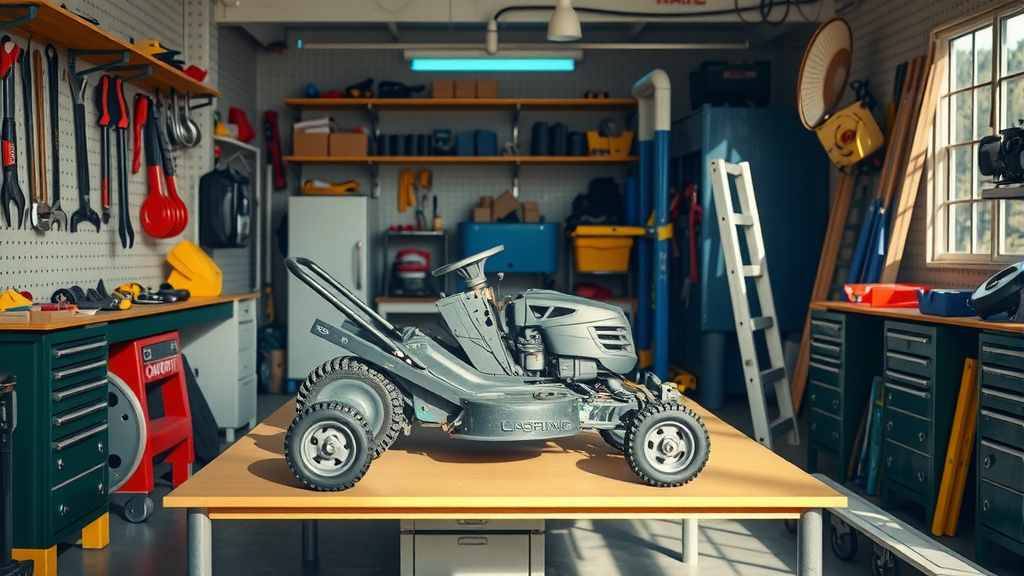
To become a lawn mower mechanic, you typically need a strong mechanical aptitude, some formal technical training, and hands-on experience working with small engines. You’ll learn to diagnose, repair, and maintain various types of lawn care equipment.
Many paths lead to this rewarding career, from vocational school programs and certifications to apprenticeships and practical work experience in repair shops.
- You can start by understanding basic mechanics and small engines.
- Formal education from a technical school offers structured learning.
- Gaining hands-on experience through apprenticeships is really valuable.
- Certifications can help show your skills and boost your career options.
- Building excellent customer service skills is just as important as technical ones.
How To Become A Lawn Mower Mechanic?
Becoming a lawn mower mechanic involves building technical knowledge and practical skills for repairing outdoor power equipment. It requires dedication to learning how small engines function and troubleshooting common issues.
Why Choose This Path?
Thinking about a career as a lawn mower mechanic? It offers a steady demand for your skills, especially with so many homeowners and landscapers relying on their equipment. It’s a hands-on job where you solve problems daily, which can be very satisfying.
What Does A Lawn Mower Mechanic Do?
A lawn mower mechanic diagnoses and fixes problems with all sorts of lawn care equipment. This includes push mowers, riding mowers, string trimmers, leaf blowers, and even chainsaws. You might perform routine maintenance, engine overhauls, or tricky electrical repairs.
We found that mechanics spend a lot of time identifying issues, replacing parts, and testing equipment. It’s like being a detective for machines!
Essential Skills You’ll Need
Beyond knowing how to turn a wrench, becoming a great mechanic requires a mix of technical and soft skills. These abilities help you connect with customers and solve complex problems effectively.
Mechanical Aptitude
Do you enjoy taking things apart and putting them back together? A natural mechanical aptitude is your starting point. This means you understand how gears, belts, and engines work together (Vocational Training Research).
You’ll need to grasp how two-stroke and four-stroke engines operate. This foundational knowledge makes learning specific repairs much easier.
Problem-Solving Skills
Lawn mowers rarely tell you what’s wrong. You must use logic and observation to figure out the issue. Being a good problem-solver means you can systematically narrow down possibilities to find the root cause.
Many experts say that patience and persistence are key here. Sometimes, fixing a tricky problem takes time and several attempts.
Customer Service Abilities
Even though you fix machines, you work with people. Clear communication, honesty, and a friendly attitude make a huge difference. Customers want to trust you with their valuable equipment.
Explaining technical problems in simple terms helps clients understand the repairs needed. This builds trust and encourages repeat business, we’ve found.
Formal Education and Training
While some mechanics learn entirely on the job, formal training can give you a strong advantage. It provides a structured learning environment and often leads to certifications.
Technical Schools and Programs
Many community colleges and vocational schools offer programs in small engine repair or outdoor power equipment technology. These programs teach you everything from engine theory to electrical systems and hydraulics.
We found that typical programs can last six months to two years, depending on the depth of study. They often include hands-on lab work with various types of equipment.
Apprenticeships
An apprenticeship is like learning directly from a seasoned pro. You work alongside an experienced mechanic, getting paid while you train. This path offers invaluable real-world experience.
Apprenticeships might last a few years and combine on-the-job training with some classroom instruction. This mix gives you both practical skills and theoretical knowledge.
Certifications That Help You Stand Out
Certifications aren’t always required, but they show employers and customers you have verified skills. They can make your resume shine brighter.
For instance, an Equipment & Engine Training Council (EETC) certification is widely recognized in the industry. These certifications cover areas like two-stroke engines, four-stroke engines, and hydraulics.
Gaining Real-World Experience
After your training, or even during it, you need to get your hands dirty. Practical experience is irreplaceable. Look for entry-level positions or internships at repair shops, dealerships, or landscaping companies.
Starting as an assistant or trainee allows you to learn from others and gradually take on more complex tasks. Every repair you do builds your confidence and expertise.
Tools of the Trade
You can’t fix things without the right tools! A good mechanic’s toolbox is their most prized possession. Here’s a look at some essential items you’ll use daily:
| Tool Category | Common Examples | Purpose |
|---|---|---|
| Hand Tools | Wrenches, screwdrivers, pliers | Basic assembly, disassembly, adjustments |
| Diagnostic Tools | Multimeter, compression tester, spark plug tester | Troubleshooting electrical and engine problems |
| Specialty Tools | Flywheel puller, valve spring compressor | Specific engine repair tasks |
| Safety Equipment | Safety glasses, gloves, ear protection | Protecting yourself during repairs |
Starting Your Own Business
Many lawn mower mechanics dream of being their own boss. You can open your own shop or even offer mobile repair services. This gives you flexibility and control over your work.
Consider these points if you want to run your own business:
- Develop a solid business plan.
- Secure proper licensing and insurance.
- Build a strong local reputation.
- Invest in quality tools and equipment.
- Manage your finances carefully.
Career Outlook and Earnings
The demand for skilled small engine mechanics, including those who work on lawn mowers, remains stable. People always need their equipment fixed! The Bureau of Labor Statistics shows a consistent need for these services.
Earnings vary based on experience, location, and whether you work for a company or yourself. Highly skilled mechanics with good customer service can often command better rates.
Conclusion
Becoming a lawn mower mechanic is a rewarding career path for those who enjoy working with their hands and solving mechanical puzzles. By combining formal education, practical experience, and a commitment to customer service, you can build a successful and stable career. It’s a field where your expertise is always in demand, keeping the green world turning.
What kind of education is best for a lawn mower mechanic?
The best education often combines formal training from a technical school with hands-on experience, such as an apprenticeship. Many vocational programs specifically cover small engine repair and outdoor power equipment.
Are certifications necessary to work as a lawn mower mechanic?
While not always strictly necessary, certifications, like those from the EETC, can significantly boost your credibility and job prospects. They show employers and customers that you have verified knowledge and skills in the field.
How long does it take to become a proficient lawn mower mechanic?
Becoming truly proficient can take several years. While initial training programs might be 6 months to 2 years, mastering various types of equipment and complex repairs often requires 3-5 years of consistent hands-on experience after formal education.
Can I become a lawn mower mechanic without going to school?
Yes, it’s possible through extensive on-the-job training and apprenticeships. Many skilled mechanics learned through mentorship. However, formal education can accelerate your learning and provide a broader understanding of different engine types and diagnostic methods.
What are the typical working conditions for a lawn mower mechanic?
Lawn mower mechanics often work in garages or repair shops. The environment can be noisy, sometimes dirty, and may involve lifting heavy equipment. Safety precautions are always important, including using safety glasses and gloves.
