
How To Become A Lawn Mower Dealer?
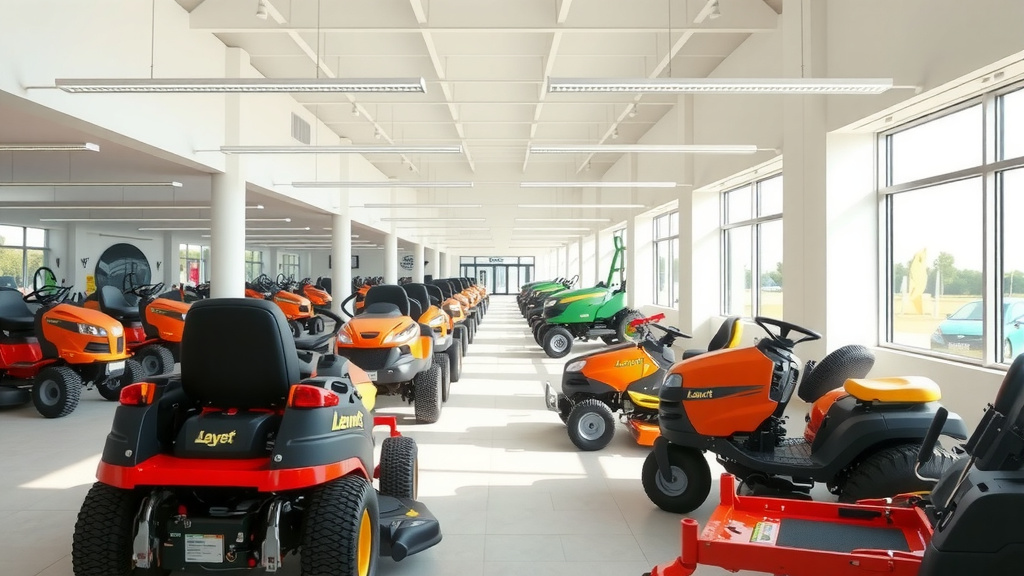
To become a lawn mower dealer, you typically need to research market demand, choose a reputable manufacturer to partner with, and secure the necessary capital for inventory and operations. Building relationships with manufacturers is key.
You will also need to establish a strong business plan, acquire a suitable commercial location, and navigate legal requirements like licensing and permits for your dealership. It’s a rewarding business venture.
- Understand the market for lawn mowers and identify demand in your area.
- Select a trustworthy manufacturer partner that aligns with your business goals.
- Develop a solid financial plan, including startup costs and operating budgets.
- Secure a suitable location for your showroom and service center.
- Obtain all necessary business licenses, permits, and insurance.
How To Become A Lawn Mower Dealer?
Becoming a lawn mower dealer means opening your doors to a thriving market of homeowners, landscapers, and property managers. It’s about connecting people with the right tools for beautiful lawns. We found that the path begins with thoughtful planning and strategic partnerships.
You’ll need to understand both the machinery and your local community’s needs. This guide will walk you through the essential steps, helping you lay a strong foundation for your business.
Why Consider Becoming a Dealer?
The lawn care industry is incredibly stable, with green spaces always needing attention. Becoming a dealer offers you the chance to tap into this constant demand. You’re not just selling machines; you’re selling solutions and convenience.
Many experts say this business provides consistent revenue streams from sales, parts, and service. Think about it: every spring, lawns start growing, and people need reliable equipment. You could be their trusted source!
Understanding Your Local Market
Before you jump in, pause and look around. Who needs lawn mowers in your town? Are there many residential homes, large commercial properties, or both? We found that understanding your target customers is your first big step.
Are people looking for small electric models or heavy-duty zero-turns? Knowing this helps you pick the right brands and inventory. Researching existing dealers helps you find gaps they might be missing (Market Research Institute).
Choosing the Right Manufacturer Partner
This is where your business really takes shape. You’ll want to partner with a manufacturer whose values and product lines match your vision. Are you aiming for premium quality, budget-friendly options, or a mix?
We found that strong manufacturer relationships offer better dealer support, training, and marketing materials. You become an authorized representative, which builds trust with your customers. Think of it like picking a team to join.
Financial Planning and Capital Needs
Every business needs money to get started, and a lawn mower dealership is no different. You’ll need capital for inventory, a showroom, service tools, and operating expenses. How much? It varies a lot.
Many business resource groups suggest creating a detailed budget. Consider startup costs like rent, utilities, initial inventory purchases, and payroll. Don’t forget marketing and insurance! Securing a small business loan or investor might be part of your plan.
Navigating Legal and Business Structure
You’ll need to decide on your business structure: sole proprietorship, LLC, or corporation? Each has different implications for liability and taxes. It sounds complicated, but it’s really about protecting your business and personal assets.
You’ll also need to register your business name, get a federal tax ID (EIN), and obtain state and local licenses and permits. Many local government websites offer clear guides to help you through this.
Finding Your Perfect Location
Where will your dealership be? A good location offers visibility and easy access for customers. Think about parking space for trailers and trucks. Will you also have a service bay?
We found that a location with a showroom, storage for inventory, and a dedicated service area is often ideal (Retail Business Insights). Consider traffic patterns and proximity to your target customers. Is it near a busy road? Is it easy to spot?
Building Your Expert Team
You can’t do it all alone! You’ll need sales staff who know mowers inside and out. Plus, certified technicians for service and repairs are absolutely essential. Good customer service keeps people coming back.
Many successful dealers say that investing in staff training pays off immensely. Your team members are the face of your business. They build trust and relationships with your community.
Marketing Your New Dealership
Once you’re set up, how will people find you? A strong marketing plan is vital. This could include local advertising, social media campaigns, and even partnering with local landscapers. Think about what makes your dealership unique.
Many business guides suggest offering promotions or hosting grand opening events. Word-of-mouth is powerful, but you need to get the word out first! A good website showing your inventory helps a lot too.
Offering Top-Notch After-Sales Support
Selling a mower is just the beginning. Customers expect reliable service, parts availability, and expert advice for years to come. This is where you build lasting customer loyalty. Providing excellent post-purchase care truly sets you apart.
We found that a well-stocked parts department and skilled technicians are non-negotiable. Happy customers become repeat customers and tell their friends. It’s a win-win situation.
Common Challenges and Smart Solutions
Every business faces hurdles. You might encounter intense competition, inventory management issues, or changing customer preferences. Don’t worry, these are all solvable!
Many experts suggest staying adaptable and keeping up with industry trends. For competition, focus on niche markets or superior service. For inventory, use smart tracking systems. Regular training for your team helps keep them updated (Business Growth Forum).
Checklist for Launching Your Dealership
- Confirm your target market and unique selling proposition.
- Finalize your manufacturer partnership agreements.
- Secure sufficient funding for initial setup and operations.
- Obtain all necessary business licenses and insurance.
- Lease or purchase your prime commercial location.
- Hire and train your sales and service team.
- Develop a robust marketing and advertising strategy.
- Set up an efficient parts and service department.
Comparing Dealership Models
When starting your dealership, you generally have two main paths: an independent business or an authorized franchise/dealership. Each has its pros and cons, which are worth considering.
Let’s look at a simple comparison to help you weigh your options. This can help you choose the model that best fits your vision and resources.
| Feature | Independent Dealership | Authorized Dealership |
|---|---|---|
| Brand Freedom | Choose multiple brands, more flexibility. | Typically limited to one or a few specific brands. |
| Marketing Support | You create your own marketing. | Often receives co-op advertising and materials from manufacturer. |
| Initial Costs | Potentially lower initial fees, but more self-funded. | May have higher initial fees or inventory requirements. |
| Training & Support | Self-sourced training and business guidance. | Manufacturer often provides product, sales, and service training. |
| Brand Recognition | Build your own local brand from scratch. | Benefits from established national brand recognition. |
Conclusion
Becoming a lawn mower dealer is a fantastic opportunity to serve your community and build a prosperous business. It requires careful planning, smart choices, and a genuine passion for helping people maintain their properties. By focusing on market understanding, strong manufacturer ties, and excellent customer service, you can truly thrive.
Remember, your journey as a dealer is about more than just selling equipment; it’s about providing reliable solutions and building lasting relationships. Take these steps, and you’ll be well on your way to opening a successful dealership.
What is the typical profit margin for a lawn mower dealership?
Profit margins for lawn mower dealerships can vary widely depending on factors like brand, location, sales volume, and service offerings. Many industry reports suggest that while new equipment sales might have a modest margin, parts and service departments often boast much higher profitability, contributing significantly to overall earnings. It’s often a mix.
How long does it take to become an authorized dealer for a major brand?
The timeline to become an authorized dealer can range from a few weeks to several months. It depends on the manufacturer’s application process, your business readiness, and market availability in your area. Manufacturers typically conduct thorough evaluations to ensure you meet their operational and financial standards.
Do I need prior experience in sales or mechanics to open a dealership?
While prior experience in sales, mechanics, or business management is incredibly helpful, it’s not always a strict requirement. What’s often more important is a strong business plan, access to capital, and a willingness to learn and hire skilled staff. Manufacturers often provide training for their specific products.
Can a lawn mower dealership be operated online only?
While you can certainly sell parts and some smaller equipment online, a full-service lawn mower dealership typically benefits greatly from a physical location. Customers often want to see, touch, and test larger equipment, and a service center for repairs and maintenance is crucial for long-term customer satisfaction and warranty work. It’s a hybrid business model for most.
What are the biggest challenges new lawn mower dealers face?
New dealers often face challenges such as intense competition from established businesses, managing initial inventory costs, and building a loyal customer base from scratch. Additionally, staying current with technological advancements in lawn care equipment and recruiting skilled technicians can be ongoing hurdles. Effective marketing and superior service help overcome these.
