
How To Move Lawn Mower?
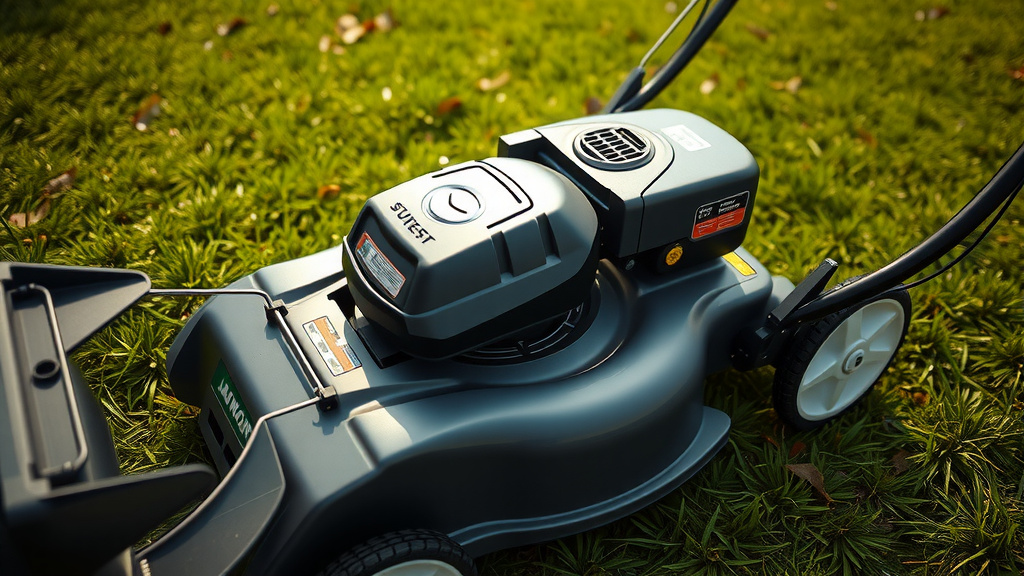
To safely move a lawn mower, first drain all fuel and oil to prevent spills and fire hazards. Next, secure or remove the spark plug and blade for safety during transport.
Always consider the mower’s size and weight, using a dolly for push mowers or ramps and straps for riding mowers when moving them over longer distances.
Here’s a quick summary for getting your mower from point A to point B safely:
- Always drain fuel and oil to prevent dangerous leaks.
- Disconnect the spark plug and secure the blade for safety.
- Use a sturdy dolly for push mowers, especially for longer walks.
- Employ strong, proper ramps and tie-down straps when loading a riding mower onto a vehicle.
- Ask for help with heavy models; never risk injury trying to move it alone.
How To Move Lawn Mower?
Moving a lawn mower safely is all about preparation and choosing the right method for its size and distance. You want to avoid spills, damage, and personal injury at all costs.
Whether you’re relocating it across the yard or across town, understanding the steps ensures a smooth process. We found that proper planning makes a huge difference (Occupational Safety and Health Administration).
Why Proper Preparation Matters
Think of it like packing for a trip; you wouldn’t just throw everything into a suitcase without a plan, right? Prepping your mower saves you headaches and potential hazards.
Ignoring these steps can lead to messy fuel leaks, oil stains, or even dangerous situations. A little foresight goes a long way here.
Draining Fluids Safely
This is probably the most critical step. Your mower’s fuel tank and oil reservoir are not sealed for transport. Leaving them full can cause spills and environmental harm.
Many experts say to drain both completely, especially if you plan to tilt the mower. You wouldn’t want gasoline sloshing around your vehicle.
Fuel and Oil Tips
For fuel, use a siphon pump or tilt the mower over a proper container. Remember, gasoline is highly flammable, so work in a well-ventilated area away from ignition sources.
Oil can be drained by tilting the mower over a pan, usually by removing the drain plug. Dispose of these fluids responsibly; your local recycling center likely accepts them (Environmental Protection Agency).
Securing Blades and Cables
Moving parts can be dangerous. Disconnecting the spark plug wire prevents accidental starts, which is a critical safety measure.
You might even consider removing the blade if you’re concerned about sharp edges. For riding mowers, make sure all levers are in the “off” or “park” position and any safety switches are engaged.
Moving Your Push Mower
Push mowers are generally easier to handle than their larger counterparts. Still, their weight can surprise you. Are you just moving it to the shed or to a new home?
Your answer helps determine the best approach. Don’t underestimate the power of a good plan.
Short Distances: Push or Pull?
For moving your mower just a few feet, pushing is usually fine. Make sure the engine is off and the spark plug wire is disconnected. Keep your grip firm and watch your step.
If the ground is uneven, pulling might offer better control. Just be mindful of tripping hazards and maintain good posture to protect your back.
Longer Distances: Using a Dolly
If you need to move your push mower a significant distance, say across your property or down a long driveway, a sturdy hand truck or dolly is your best friend. Why drag it when you can roll it?
We found that a proper dolly with wide wheels makes maneuvering over grass and concrete much easier. Load the mower carefully, ensuring it’s balanced and strapped down if possible.
Transporting a Riding Mower
Riding mowers are beasts compared to push models. Moving one requires more planning and often, more equipment. You can’t just pick it up!
This is where safety precautions really get serious. Think about the weight and balance of the machine.
Using Ramps and Securing
To get a riding mower onto a truck bed or trailer, you’ll definitely need ramps. Make sure they are designed for the mower’s weight. Always drive slowly and steadily when loading.
Once loaded, use heavy-duty tie-down straps to secure the mower. Anchor points are usually on the frame; ensure the mower cannot shift during transit (National Safety Council).
Choosing the Right Ramps
Not all ramps are created equal. You need ramps with a high enough weight capacity to handle your mower plus your own weight. Aluminum ramps are popular because they are lightweight but strong.
Look for ramps with a non-slip surface to prevent tire slippage, especially in wet conditions. Safety first, always.
Essential Safety Precautions
Safety is paramount when moving any heavy machinery. A moment of carelessness can lead to a lifetime of regret. So, what steps can you take to protect yourself and others?
Always err on the side of caution. If something feels unsafe, it probably is. Stop and re-evaluate your approach.
Get Help When Needed
This one is simple: if it’s too heavy for you, don’t try to lift it alone. Asking a friend or family member for help can prevent back strains and other injuries.
Many people find that an extra pair of hands makes a world of difference, especially when navigating tricky spots or uneven terrain. Don’t be a hero; be smart.
Different Ways To Move Your Mower
Choosing the right method depends on the distance, mower type, and resources available. Here’s a quick comparison:
| Method | Best For | Pros | Cons |
|---|---|---|---|
| Pushing/Pulling | Short distances, push mowers | Simple, no extra equipment | Tiring, risk of injury on uneven ground |
| Hand Truck/Dolly | Medium distances, push mowers | Easier on back, good control | Requires equipment, might not fit everywhere |
| Truck/Trailer with Ramps | Long distances, all mower types | Secure, efficient for long trips | Requires vehicle, ramps, straps; loading can be tricky |
Your Pre-Move Checklist
Before you even think about lifting or pushing, run through this quick checklist. It ensures you’ve covered all your bases for a safe and successful move.
- Drain all fuel and oil from the mower.
- Disconnect the spark plug wire for safety.
- Clean off any grass clippings or debris.
- Secure or remove the cutting blade.
- Check tire pressure if using a riding mower for transport.
- Gather necessary tools: dolly, ramps, straps.
Conclusion
Moving a lawn mower, whether it’s a small push model or a hefty riding machine, doesn’t have to be a daunting task. By following a few straightforward steps, you can ensure safety for yourself and your equipment.
Remember, preparation is key: drain fluids, secure parts, and use the right tools for the job. Don’t rush, and always prioritize safety. Your back and your mower will thank you.
Can I move a lawn mower on its side?
Moving a lawn mower on its side is generally discouraged. This can cause fuel or oil to leak into parts of the engine where it shouldn’t be, leading to potential damage or difficult starting later. If you must tilt it, always confirm which side is safe to tilt on (usually the side with the carburetor up) and ensure all fluids are drained first.
How do I move a dead lawn mower?
Moving a non-starting, or “dead,” lawn mower follows many of the same rules as a working one, especially regarding fluid drainage. For push mowers, a heavy-duty hand truck or dolly is best. For riding mowers, you’ll still need ramps and a truck or trailer. If the wheels are locked, you might need to lift it or use a specialized heavy-duty dolly.
What tools do I need to move a heavy mower?
For a heavy push mower, a sturdy hand truck or dolly is essential. For riding mowers, you’ll need strong, appropriately rated loading ramps, robust tie-down straps, and potentially a winch if you’re loading onto a high vehicle. Always have a funnel and appropriate containers for draining fluids.
How much does it cost to have a mower moved?
The cost to have a mower moved varies greatly depending on distance, mower size, and who is moving it. Local landscapers or moving companies might offer services. For long distances, specialized shipping services could be several hundred dollars. For short moves, a local handyman might charge an hourly rate, perhaps $50-$100.
Is it safe to move a mower with gas still in it?
It is generally not safe to move a mower with gas still in it, especially if you anticipate any tilting or bumpy transport. Gasoline is highly flammable and can easily spill, creating fire hazards or damaging your vehicle’s interior. Always drain the fuel tank completely before moving your lawn mower for any significant distance or transport.
