
How To Do Lawn Mower Pulls?
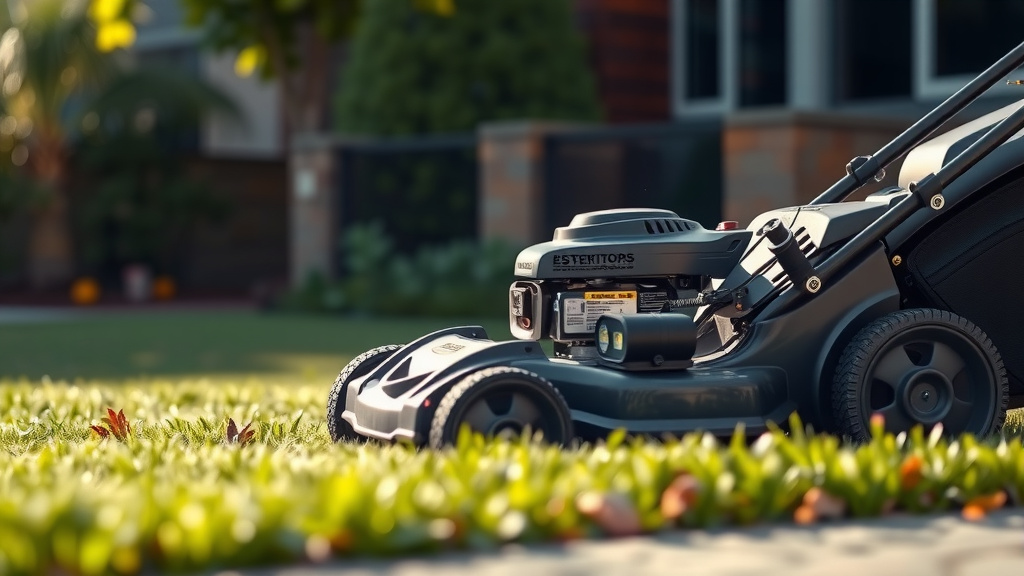
To effectively do lawn mower pulls, ensure your mower has fresh fuel and oil, prime the engine a few times if it’s cold, then firmly pull the starter cord with a smooth, continuous motion until the engine catches.
Proper lawn mower pulls involve finding the starting resistance point, then applying steady, direct force, pulling the rope towards your body, not just upward, to engage the flywheel and ignite the engine.
- Get your lawn mower ready with fresh fuel and oil.
- Locate the primer bulb and press it a few times for cold starts.
- Stand firmly and hold the handle for stability.
- Pull the starter cord slowly until you feel resistance.
- Give a strong, smooth, full pull, bringing the cord towards your waist.
How To Do Lawn Mower Pulls?
Learning how to do lawn mower pulls correctly can save you frustration and effort. Many people find starting their mower a bit of a workout, but with the right technique, it becomes much easier and more reliable. We found that a smooth, consistent pull is far more effective than a quick, jerky one.
Understanding Your Mower’s Pull Start System
Before you even touch the cord, it helps to understand what’s happening inside. Your lawn mower has a recoil starter. This is the mechanism you engage when you pull the rope. It spins the engine’s flywheel, creating the spark and compression needed for the engine to fire up. Think of it like a hand-crank for your engine!
The Recoil Starter Explained
The recoil starter isn’t just a rope. It’s a spring-loaded system. When you pull the cord, it winds a spring, and then the spring rewinds the cord when you let go. If you pull it too gently, or too hard and fast without control, you might not fully engage the mechanism, or worse, you could damage it. Research often connects damaged recoil starters with improper pulling techniques (Consumer Reports).
Pre-Start Checks: A Smart Move
Before any pull, a quick check can make all the difference. Is your mower ready to go? These simple steps ensure your engine has the best chance of starting on the first or second pull. It’s like checking your car’s tires before a long drive – small steps, big impact.
Fuel Level Matters
Is there enough fresh fuel? This sounds obvious, but you’d be surprised how often a lawn mower won’t start simply because the tank is empty or the fuel is old. We found that stale gasoline can cause big problems for small engines. If your fuel has been sitting for months, it might be time for fresh gas.
Oil Check is Essential
Just like your car, your lawn mower needs proper oil levels. Check the dipstick. Running an engine with low oil can cause serious damage. Many experts say to check the oil before each use, especially with older models. It’s a habit worth forming.
Spark Plug Inspection
The spark plug creates the spark that ignites the fuel. If it’s dirty, fouled, or old, your mower might struggle to start. Many maintenance guides suggest checking your spark plug seasonally. A clean, correctly gapped spark plug makes a world of difference.
The Pulling Technique: It’s All About Form
Okay, you’ve done your checks. Now for the main event: the pull. This isn’t about brute strength. It’s about precision and rhythm. Think of it like a dance with your mower, where every step has a purpose.
Proper Stance for Power
Stand with your feet shoulder-width apart, one foot slightly forward. Place one hand firmly on the mower’s handle to stabilize it. This stance gives you a solid base and better leverage. Are you ready? Good.
The “Sweet Spot” Pull
First, pull the cord slowly until you feel the engine engage, a slight resistance. This is your “sweet spot.” Once you feel it, give a strong, smooth, continuous pull, bringing the cord towards your waist or hip. Don’t yank it wildly upwards. Let the cord fully retract before trying again. Many people try to pull too short or too weak, missing that engagement point entirely.
When It Doesn’t Start: What Next?
So, you’ve pulled a few times, and nothing? Don’t panic! This happens. There are a few common reasons why a mower might be stubborn. Let’s look at some solutions.
Engine Flooding? No Problem!
If you’ve primed the engine too many times or pulled the cord repeatedly without it starting, you might have flooded the engine. This means there’s too much fuel in the cylinder. To fix this, simply wait 5-10 minutes. Then, hold the throttle in the “run” or “start” position, but do not prime again. Pull the cord a few times with a slightly faster motion to clear the excess fuel.
Is Your Primer Bulb Working?
That little rubber bulb you press? It’s the primer. Its job is to squirt a small amount of fuel directly into the carburetor for a cold start. If it’s cracked, stiff, or not springing back, it might not be doing its job. A faulty primer bulb is a common cause of hard starts, we found.
Here’s a quick troubleshooting guide:
| Issue | Possible Cause | Simple Solution |
|---|---|---|
| Engine won’t turn over | Brake lever not engaged | Squeeze the brake lever fully |
| Mower sputters then dies | Stale fuel or clogged fuel line | Drain old fuel, add fresh; check fuel filter |
| Pull cord feels stiff | Buildup in recoil starter | Clean around the spring mechanism |
| No spark | Dirty or faulty spark plug | Clean or replace spark plug |
| Engine floods easily | Over-priming | Wait, then pull without priming |
Here is a checklist for a no-start situation:
- Is the fuel tank full of fresh, clean gasoline?
- Have you checked the engine oil level?
- Is the spark plug clean and properly connected?
- Are you holding the safety bar (bail lever) down?
- Have you pressed the primer bulb 2-3 times for a cold start?
- Is the choke engaged correctly for a cold engine?
Keeping Your Pull Start System Healthy
A little preventative care goes a long way. Maintaining your mower isn’t just about cutting grass; it’s about making sure it starts easily every time you need it. Think of it as investing in future easy starts.
Clean Air Filter, Happy Engine
A dirty air filter chokes your engine, making it work harder and start less efficiently. Check your air filter regularly. If it’s visibly dirty, clean it or replace it. This is a simple maintenance task that provides significant benefits.
Fresh Fuel is Key
We’ve said it before, and we’ll say it again: fresh fuel! Modern gasoline can go bad surprisingly fast, especially if it contains ethanol. Use a fuel stabilizer if you store gasoline for more than a month or two. Many experts suggest using non-ethanol fuel if available (Briggs & Stratton).
Conclusion
Mastering lawn mower pulls truly boils down to understanding your machine, performing quick pre-start checks, and using a smooth, deliberate pulling technique. It’s less about raw strength and more about precision. By following these practical tips and maintaining your mower well, you’ll find those starts become much more reliable. Happy mowing, and remember, a well-cared-for mower is a happy mower!
What should I do if my lawn mower pull cord is stuck?
If your lawn mower pull cord is stuck, first ensure the blade is clear of any obstructions like grass or debris. Also, check that the safety brake lever is fully depressed. Sometimes, the internal mechanism can jam, or the engine may be hydro-locked. If simple checks don’t work, it might be time for a professional to look at the recoil starter.
How many times should I prime a cold lawn mower engine?
For most cold lawn mower engines, pressing the primer bulb 2 to 3 times is usually sufficient. Over-priming can flood the engine, making it harder to start. If the engine is warm, you typically don’t need to prime it at all.
Can old fuel prevent a lawn mower from starting?
Absolutely, old fuel is a very common reason why a lawn mower won’t start. Gasoline can degrade over time, especially if it contains ethanol, which attracts moisture. Stale fuel can clog the carburetor and fuel lines, preventing proper combustion. Always use fresh fuel, and consider a fuel stabilizer if storing gas for extended periods.
Why does my lawn mower only start on the second or third pull?
A lawn mower that starts on the second or third pull, but not the first, often indicates minor issues like a slightly fouled spark plug, a partially clogged air filter, or needing a bit more primer. It’s usually not a serious problem but points to areas for routine maintenance. Checking these simple items can often lead to a first-pull start.
Is it better to pull the lawn mower cord fast or slow?
Neither extremely fast nor extremely slow is ideal. The best approach is a smooth, firm, and continuous pull. Start by slowly pulling until you feel resistance, then apply a strong, steady pull through the full range of motion. A jerky, short pull might not fully engage the starter, while a very slow pull might not generate enough momentum for ignition.
