
How To Drain Fluids From Lawn Mower?
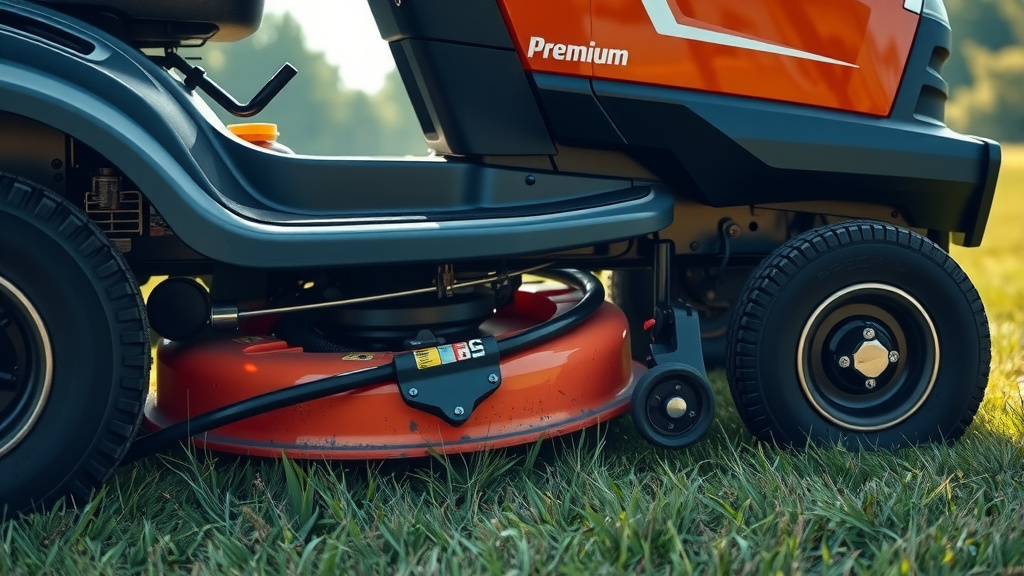
To drain fluids from your lawn mower, you generally start by disconnecting the spark plug wire for safety, then locate the drain plug for engine oil or the fuel line for gasoline, and carefully allow the old fluid to flow into a suitable container.
Always ensure the engine is cool, have the right tools, and prepare for proper fluid disposal to keep yourself safe and your mower running smoothly.
- Keep your lawn mower running smoothly and extend its lifespan by regularly draining old fluids.
- Prioritize safety by disconnecting the spark plug and working on a level surface.
- Draining engine oil typically involves warming the engine, then removing the drain plug.
- For fuel, you can either siphon it, run the engine dry, or use a fuel drain hose.
- Always dispose of used oil and gasoline responsibly at a local recycling center.
Every lawn mower, much like a car, relies on its fluids to operate correctly. Over time, these fluids get dirty or degrade. Thinking about how to drain fluids from lawn mower might seem daunting, but it’s a straightforward task with the right guidance.
You’re not just changing fluids; you’re giving your mower a new lease on life. This helps prevent costly repairs down the road. Let’s walk through the process together, step by step.
How To Drain Fluids From Lawn Mower?
Draining fluids from your lawn mower involves carefully removing old oil and fuel to prepare for fresh replacements or storage.
You will need a few basic tools and a bit of patience for this important maintenance task.
Why Drain Fluids From Your Mower?
Why bother with draining fluids? Well, it’s like changing the oil in your car. Engine oil provides lubrication and cooling, but it breaks down and collects contaminants over time (Mayo Clinic).
Old, dirty oil can cause premature engine wear. Similarly, fuel can go stale, especially if left in the tank for months, leading to starting problems and carburetor issues.
Draining these fluids is a simple way to protect your investment and ensure it starts reliably each season.
Safety First: Your Most important Step
Before you even think about touching a wrench, think safety. Your lawn mower has moving parts and flammable liquids. Many experts say that disconnecting the spark plug wire is the most important first step.
This prevents accidental starts. Always work in a well-ventilated area, wear gloves and eye protection, and keep a fire extinguisher nearby when handling fuel. Safety isn’t an option; it’s a must.
Draining Your Lawn Mower’s Engine Oil
Draining the engine oil is probably the most common fluid change you’ll do. It keeps the heart of your mower healthy.
Don’t skip this. Dirty oil can feel like sandpaper inside your engine, slowly grinding away its life.
Gather Your Oil Draining Essentials
Before you get started, gather your tools. You’ll need a wrench (often a socket wrench) to remove the drain plug. You’ll also need a drain pan or bucket that can hold at least two quarts of oil.
Don’t forget some rags for spills, a funnel, and the new, recommended engine oil. Having everything ready makes the job much smoother.
The Oil Draining Process
Now, let’s get that old oil out. It’s a fairly simple dance between warming the engine, locating the plug, and letting gravity do its work.
Just make sure you have your drain pan ready to catch everything.
Warm It Up Briefly
A little warmth helps the oil flow better. Run your mower for about five to ten minutes. You want the oil warm, not scorching hot, to help any sludge mix in and flow out.
Turn it off and wait a few minutes for it to cool slightly before proceeding. Remember, hot oil can cause burns.
Locate the Oil Drain Plug
Most lawn mowers have their oil drain plug at the bottom of the engine, often near one of the wheels. Sometimes it’s a dipstick tube that doubles as a drain point. We found that consulting your mower’s manual is the best way to pinpoint its exact location.
Place your drain pan directly underneath it. Prepare for a bit of a mess; it’s part of the process.
Let the Old Oil Flow
Carefully remove the drain plug with your wrench. The oil will start to stream out. Give it plenty of time, usually 10-15 minutes, to drain completely. It’s like letting a wound bleed out the bad stuff. You want it all out.
Once it slows to a drip, replace the drain plug securely. Avoid overtightening the plug, which can strip threads.
Refill with Fresh Oil
Using a funnel, pour in the manufacturer-recommended type and amount of new engine oil. Check your dipstick frequently. Don’t overfill! Overfilling can lead to issues just as underfilling can.
When the oil level is correct, replace the dipstick or oil cap. You’re one step closer to a happy mower.
Emptying the Fuel Tank Safely
Dealing with gasoline requires extra caution due to its flammability. Proper handling is vital.
Always work outdoors or in a very well-ventilated space, away from any ignition sources.
Why Drain Fuel?
Why drain fuel? Gasoline breaks down over time. This breakdown forms sticky varnish that clogs fuel lines and carburetors. Many experts say that stale fuel is a common culprit for mowers not starting after winter storage.
Draining it before long periods of inactivity prevents these issues and saves you from cleaning the carburetor.
Tools for Fuel Removal
You’ll need a clean, approved gasoline container, a siphon pump or hose, and possibly a wrench if your mower has a fuel drain valve. Always use containers specifically designed for gasoline storage.
Remember those safety glasses and gloves? They’re just as important here. Have rags ready for any drips.
Siphoning Fuel Out
This is a common method for tanks without drain plugs. Insert one end of a siphon hose into the fuel tank and the other into your approved gas can, placed lower than the tank.
Use a hand pump or a gravity siphon technique (be careful not to ingest fuel) to start the flow. It’s like draining a fish tank – gravity is your friend.
Running the Tank Dry
If you’re preparing the mower for short-term storage or just finishing up for the season, you can simply run the mower until it runs out of fuel. This ensures the carburetor is also empty.
This method is simple but takes some time. It’s a hands-off way to clear the fuel system completely.
Using a Fuel Drain Hose
Some mowers, especially riding mowers, have a small fuel drain valve or a removable fuel line. You can connect a hose to this point and open the valve to drain the fuel into your approved container.
Always check your mower’s manual for specific instructions on this method. It’s a clean and efficient option if available.
Don’t Forget Proper Fluid Disposal
Never pour used oil or gasoline down the drain or onto the ground. This pollutes our environment. Research shows that even a small amount of oil can contaminate large quantities of water (EPA guidelines).
Take your used fluids to an auto parts store, a local recycling center, or a hazardous waste facility. They have the proper means to handle and recycle these materials responsibly.
Common Mistakes When Draining Fluids
Even simple tasks have pitfalls. Avoid these common blunders:
- Not disconnecting the spark plug: A mower can accidentally start.
- Draining hot oil: Risks severe burns.
- Using improper containers: Can cause leaks or chemical reactions.
- Spilling fluids: Creates environmental hazards and fire risks.
- Ignoring the owner’s manual: Every mower is slightly different.
- Improper disposal: Harmful to the environment and illegal.
When Should You Drain Lawn Mower Fluids?
Knowing when to drain or change your fluids is just as important as knowing how. Here’s a quick guide:
| Fluid Type | Recommended Frequency | Key Indicator |
|---|---|---|
| Engine Oil | Every 25 operating hours or annually (at least) | Oil appears dark, gritty, or milky |
| Gasoline | Before long-term storage (over 30 days) | Fuel is older than 30 days, has strong odor, or is discolored |
| Hydraulic Fluid (Riding Mowers) | Every 100-200 hours, check manual | Difficulty shifting, poor drive response |
Conclusion
Draining fluids from your lawn mower is a fundamental maintenance task that you can easily do yourself. By following these steps for draining both engine oil and fuel, you’re investing in your mower’s longevity and performance. Remember, safety is paramount, and proper disposal protects our environment. A little care now saves a lot of headaches later. Happy mowing!
How often should I change my lawn mower’s oil?
You should change your lawn mower’s engine oil at least once a year, or every 25 operating hours, whichever comes first. If you use your mower frequently, checking the oil’s condition and color will guide you.
Can I leave gasoline in my lawn mower over winter?
It’s generally not recommended to leave gasoline in your lawn mower over winter. Untreated gasoline can degrade, causing varnish and gum deposits that clog the carburetor and fuel lines, making it difficult to start in the spring.
What kind of oil should I use for my lawn mower?
The type of oil you should use depends on your mower’s engine and the climate you live in. Most manufacturers recommend SAE 30 oil for warmer temperatures or a 10W-30 multi-viscosity oil for varied conditions. Always check your owner’s manual for the specific recommendation.
Is it safe to drain fuel by running the engine until it stops?
Yes, it is generally safe and often recommended to drain fuel by running the engine until it runs out. This method ensures that the fuel lines and carburetor are also emptied, preventing stale fuel issues. Just make sure to do it in a well-ventilated area.
Where can I dispose of used lawn mower fluids?
You can dispose of used lawn mower fluids like engine oil and gasoline at local auto parts stores, municipal recycling centers, or designated household hazardous waste collection sites. Never pour them down drains or onto the ground, as this can cause significant environmental harm.
