
How To Fill Up Lawn Mower?
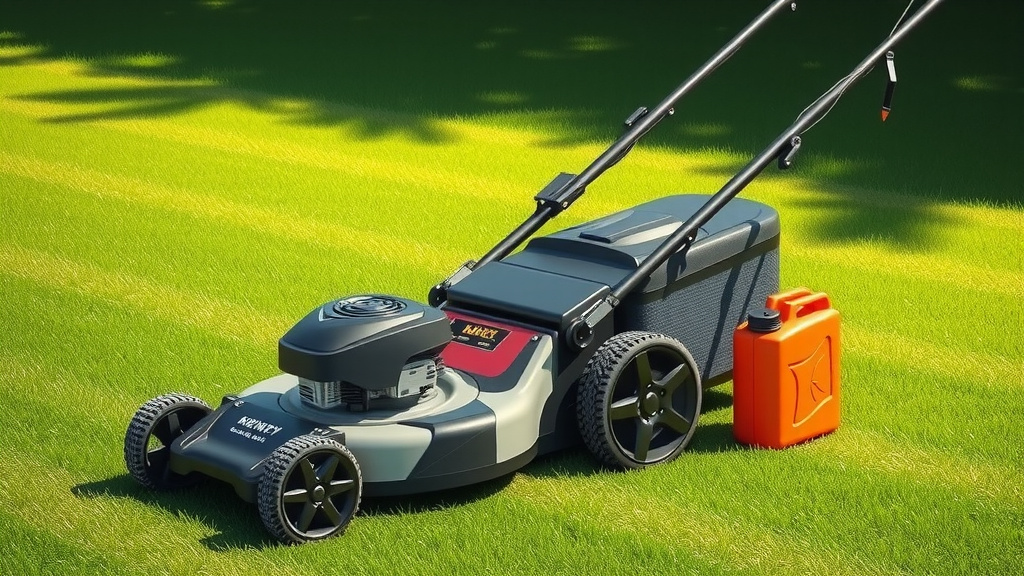
To fill up your lawn mower, carefully open the fuel cap, choose the correct fuel type (typically unleaded gasoline for gas mowers, or specific oil for two-stroke engines), and slowly pour the fuel using a funnel to prevent spills.
Always ensure your mower is turned off, cool, and on a level surface before adding any fuel, prioritizing your safety and preventing accidental engine damage.
-
Safety First: Turn off and cool down your mower before fueling.
-
Right Fuel: Use fresh, unleaded gasoline for most 4-stroke mowers; consult your manual for specific types.
-
Use a Funnel: Prevents spills and makes the process cleaner.
-
Don’t Overfill: Leave a little space at the top of the tank to allow for fuel expansion.
-
Clean Up: Wipe away any spilled fuel immediately to prevent fire hazards.
Hey there, lawn care enthusiast! Are you looking to keep your yard looking pristine? Then knowing how to properly fuel your lawn mower is absolutely essential. It might seem like a simple task, but trust us, there’s a right way and a wrong way. Doing it correctly ensures your mower runs smoothly, lasts longer, and most importantly, keeps you safe. We’re here to walk you through it, step by step, making sure you feel confident and ready to tackle that lawn.
Let’s get those blades spinning! But before we even think about touching the fuel can, we need to talk about safety. Think of it like cooking: you wouldn’t start chopping veggies without a clean board and sharp knife, right? Fueling a mower requires similar thoughtful preparation.
How To Fill Up Lawn Mower?
Filling your lawn mower involves choosing the correct fuel, ensuring safety precautions are in place, and carefully pouring the fuel into the tank without overfilling or spilling. This simple task keeps your engine powered and ready for action.
Safety First: Your Number One Priority
Before you even think about grabbing that fuel can, stop! Your safety is paramount. We found that most accidents during fueling could be prevented by following a few simple guidelines. Don’t rush this part. It’s like putting on your seatbelt before driving; it’s non-negotiable.
Power Off and Cool Down
Is your mower currently running? Turn it off. Has it just been running? Let it cool down for at least 10-15 minutes. Fuel fumes and a hot engine are not a good combination. Research often connects fuel vapors with ignition risks on hot surfaces (National Fire Protection Association).
Find a Well-Ventilated Area
Never refuel your mower inside a garage or shed. Fuel fumes can accumulate, creating a hazardous environment. Always move your mower to an open, outdoor space with plenty of fresh air. This dissipates any vapors quickly.
Keep Away from Open Flames
This might sound obvious, but it’s worth repeating. Ensure there are no open flames, sparks, or anything that could ignite fuel vapors nearby. This includes cigarettes, grills, or even operating electrical tools.
Understanding Your Mower’s Fuel Needs
Not all mowers are created equal, especially when it comes to what they drink. Most residential lawn mowers are 4-stroke engines, meaning they use straight gasoline. However, some older models or specific types (like string trimmers) might be 2-stroke. Always check your owner’s manual! It’s like checking a recipe; you wouldn’t just guess the ingredients.
What Type of Fuel Does Your Mower Drink?
For most modern 4-stroke mowers, you’ll need fresh, unleaded gasoline. Many experts say to avoid gasoline with ethanol content higher than 10% (E10), as it can cause issues for small engines over time (Outdoor Power Equipment Institute). Check your manual for specific octane recommendations. Higher octane isn’t always better and can sometimes be a waste of money.
The Two-Stroke Exception: Fuel Mix
If you have a 2-stroke engine, you’ll need a precise mixture of gasoline and 2-stroke oil. This mixture ratio is critical and will be clearly stated in your manual. Pre-mix fuels are also available, which can be a convenient option. Just be sure it’s the right ratio for your equipment.
Gather Your Fueling Essentials
Alright, you’ve got the right fuel and you’re in a safe spot. What’s next? A few simple tools will make this job easier and cleaner. Think of these as your personal fueling toolkit. Having these items on hand makes a world of difference.
-
Fresh Fuel: A clean, properly stored fuel can with the correct type of gasoline.
-
Funnel: This is your best friend for preventing spills. A funnel with a fine mesh filter is even better to catch any debris.
-
Clean Rags: For wiping up any accidental drips or spills immediately.
-
Gloves (Optional, but Recommended): Protect your hands from fuel exposure.
-
Safety Glasses (Optional, but Recommended): Protect your eyes from splashes.
The Step-by-Step Fueling Process
You’re ready! Let’s get that fuel into the tank. This is where patience pays off. Rushing can lead to spills, and spilled fuel is not only wasteful but also a fire hazard. Take a deep breath; you’ve got this.
Positioning Your Mower
Place your mower on a flat, level surface. This prevents fuel from sloshing out and gives you a stable base to work from. Imagine trying to fill a glass on a wobbly table—not ideal, right?
Opening the Fuel Tank
Locate the fuel cap, typically found on top of the engine. Unscrew it slowly to release any pressure. Some caps might be a bit stiff; just apply steady, gentle force. Once it’s off, place it somewhere clean where it won’t get lost or dirty. A dirty cap means dirty fuel in your tank.
Using the Funnel
Insert your funnel securely into the fuel tank opening. Make sure it’s seated well so it won’t tip over. This creates a wide target, making it much easier to pour the fuel accurately. A wide funnel is often the easiest to use.
Pouring the Fuel Slowly
Now, slowly and steadily pour the fuel from your can into the funnel. Watch the fuel level in the tank. It’s important not to overfill. You need to leave a small amount of airspace at the top for fuel expansion, especially on warm days. Many experts recommend filling the tank about 90-95% full (Briggs & Stratton).
Wipe Up Spills Immediately
Did a little drip escape? Grab those clean rags and wipe it up right away. Fuel on the engine or grass is a fire risk. Prompt cleanup is a crucial step in maintaining safety around your equipment.
Secure the Fuel Cap
Once you’re done, remove the funnel and firmly replace the fuel cap. Make sure it’s tight to prevent leaks and keep contaminants out of your fuel. A loose cap can allow dirt or water into the fuel system, causing performance issues.
Troubleshooting Common Fueling Questions
Even with the best intentions, questions can pop up. Let’s tackle a few common concerns we often hear about fueling. It’s totally normal to have these thoughts, and we’re here to help you navigate them. No question is too small.
| Common Issue | Why It Happens | Quick Solution |
|---|---|---|
| Fuel Spills | Rushing, no funnel, unsteady pouring, overfilling. | Slow down, use a funnel, don’t overfill, wipe immediately. |
| Mower Won’t Start After Fueling | Wrong fuel type, old fuel, air in fuel line, flooded engine. | Check fuel type/freshness. Wait 10-15 mins before restarting if flooded. |
| Fuel Cap Leaks | Cap not tightened, damaged cap/seal, overfilling. | Tighten cap, inspect/replace seal, avoid overfilling. |
| Fuel Tank Looks Dirty | Using a dirty fuel can, not filtering fuel. | Use clean cans, consider a funnel with a filter. |
Checklist for a Smooth Fueling Experience
Here’s a quick recap to ensure you’ve covered all your bases for a safe and efficient fueling session. This little list can be your best friend, a quick mental run-through before you start pouring. Think of it as your pre-flight check.
-
Mower turned off and cool.
-
In a well-ventilated outdoor area.
-
No open flames or ignition sources nearby.
-
Right fuel type for your mower.
-
Funnel ready.
-
Clean rags on hand.
-
Fuel tank cap removed.
-
Fuel poured slowly, not overfilled.
-
Spills wiped immediately.
-
Fuel cap securely tightened.
Conclusion
Filling your lawn mower might seem like a small detail in the grand scheme of lawn care, but it’s a process that demands respect and attention. By following these straightforward steps, prioritizing safety, and understanding your mower’s needs, you’re setting yourself up for a successful and trouble-free mowing experience. You’re not just pouring fuel; you’re fueling your ability to maintain a beautiful yard. So, next time you head out to mow, you’ll do so with confidence, knowing you’ve handled the fuel situation like a true pro. Happy mowing!
What kind of gasoline should I use for my lawn mower?
Most modern 4-stroke lawn mowers operate best with fresh, unleaded gasoline, typically 87 octane, with an ethanol content of no more than 10% (E10). Always check your mower’s owner’s manual for specific recommendations on fuel type and octane, as using the wrong kind can damage the engine over time.
Is it okay to leave old gas in my lawn mower over winter?
It’s generally not recommended to leave untreated gasoline in your lawn mower over the winter months. Gasoline can degrade over time, especially with ethanol blends, leading to carburetor clogs and starting issues in the spring. Many experts suggest using a fuel stabilizer or draining the fuel tank completely for long-term storage (Briggs & Stratton).
How do I know if my lawn mower is a 2-stroke or 4-stroke engine?
The easiest way to tell is by checking your owner’s manual. Another common indicator is the presence of two separate fill ports: one for gasoline and one for oil, which usually means it’s a 4-stroke engine. If there’s only one fill port where you add a mixed gas-oil solution, it’s likely a 2-stroke engine.
Can I use a plastic jug to store gasoline for my lawn mower?
You should only store gasoline in approved, red plastic or metal fuel containers that are designed for flammable liquids. These containers are built to safely store fuel and prevent leaks or static electricity buildup. Never use old milk jugs or unapproved plastic containers, as they are not safe for gasoline storage.
What should I do if I spill gas on my lawn while fueling?
If you spill gasoline on your lawn, act quickly. Wipe up as much as you can with rags, then consider sprinkling absorbent materials like cat litter or sand over the area to soak up remaining fuel. Dispose of the contaminated rags and absorbent material properly according to local hazardous waste guidelines. Avoid mowing the affected area until the fuel has completely evaporated and dissipated.
