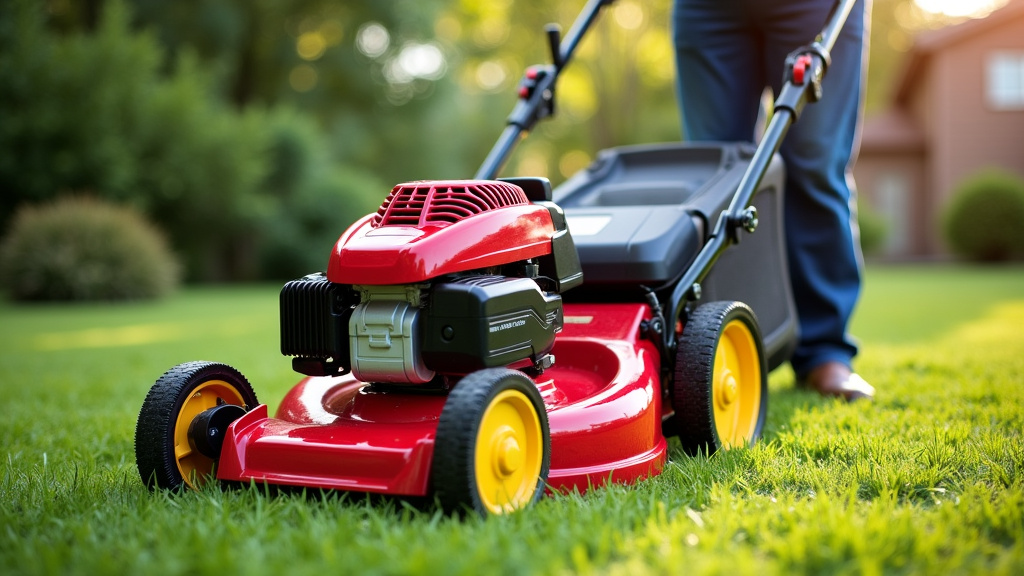
How to Fix a Lawn Mower That Won’t Stay Running?
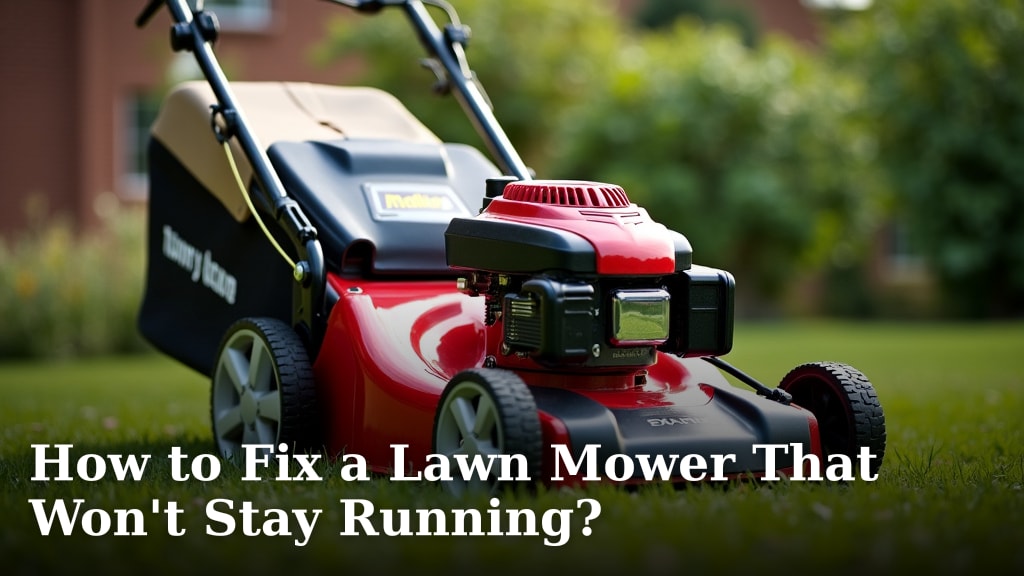
To fix a lawn mower that won’t stay running, you often need to check for a few common problems like a If your mower won’t start at all, our guide on how to start a lawn mower that won’t start offers further troubleshooting steps.clogged air filter, old fuel, or a dirty spark plug. These issues can prevent proper combustion and cause your engine to sputter out.
It’s frustrating when your mower gives up in the middle of a job, right? Many times, these problems are simple to diagnose and fix yourself with just a few basic tools. We found that regular maintenance can prevent most of these headaches.
- Check the air filter.
- Inspect the spark plug.
- Drain old or bad fuel.
- Clean the carburetor.
- Examine the fuel filter.
Let’s walk through exactly how to troubleshoot these common issues step-by-step and get your mower running smoothly again. Learning how to make your lawn mower run better can help you avoid these issues in the first place.
Troubleshooting Your Lawn Mower When It Won’t Stay Running
When your lawn mower starts but quickly dies, it’s often a sign of a fuel or air delivery problem. Don’t panic; most of these issues are straightforward to diagnose and fix right at home.
We’ve found that tackling these common culprits one by one will usually get you back to mowing in no time. Think of it like a detective game, where you’re looking for clues.
Fuel System Checks: The Lifeblood of Your Engine
Your mower needs a steady supply of clean, fresh fuel to run. If the fuel system is compromised, even slightly, your engine will struggle to stay alive.
Many problems stem from fuel issues. It’s often the first place to look when troubleshooting engine problems (University of Illinois Extension).
Old or Contaminated Fuel
Did you know gasoline can go bad? It’s true! Gasoline starts to degrade in as little as 30 days, especially if it contains ethanol.
When fuel ages, it can leave behind gummy deposits that clog fuel lines and carburetors. These deposits can be a real headache.
- How to check: Smell the fuel in the tank. If it smells sour, like varnish, or just “off,” it’s likely old.
- The fix: Drain all the old fuel from the tank. You can use a siphon pump or tilt the mower if your model allows. Dispose of old fuel properly at a local recycling center. Refill with fresh, clean gasoline. Consider adding a fuel stabilizer if you plan to store your mower for more than a month.
Clogged Fuel Filter
Just like your car, your lawn mower has a fuel filter. Its job is to trap dirt and debris before it reaches the carburetor.
A clogged filter will restrict fuel flow, starving the engine. It’s like trying to drink through a straw with a kink in it – not much gets through!
- How to check: Locate the fuel filter. It’s usually a small, clear or opaque canister in the fuel line between the tank and the carburetor. If it looks dirty, discolored, or you can’t see fuel flowing through it, it’s probably clogged.
- The fix: Replace the fuel filter. This is typically an inexpensive part. Make sure to use the correct type for your mower. Pinch off the fuel line on both sides of the filter before removing to minimize spills.
Dirty Carburetor
The carburetor is where fuel and air mix. It’s a precise instrument. Even a tiny bit of gunk can throw it off.
This is one of the most common reasons for a mower not staying running. Those sticky deposits from old fuel love to hang out here.
Many experts say cleaning the carburetor can resolve more than half of “won’t stay running” issues (Consumer Reports).
- How to check: This often requires a bit more disassembly. If the fuel system checks above didn’t work, a dirty carburetor is a strong suspect. You might notice the engine surging or running rough before it dies.
- The fix: You can try using a carburetor cleaner spray. Remove the air filter and spray directly into the carburetor throat while trying to start the engine. If that doesn’t work, you’ll need to remove and clean the carburetor more thoroughly, often by disassembling it and soaking parts in carburetor cleaner. We find this step often requires careful attention to detail.
Airflow and Ignition: Ensuring Proper Combustion
Beyond fuel, your mower needs a good mix of air and a strong spark to keep going. Problems in these areas can also cause the engine to cut out.
Clogged Air Filter
Just like our lungs, your engine needs to breathe. A clogged air filter chokes the engine by restricting airflow.
An engine needs the right balance of fuel and air. Too little air means the fuel-air mixture is too rich, which can cause stalling.
- How to check: Locate the air filter housing, usually a plastic cover on the side or top of the engine. Remove the cover and inspect the filter. If it’s caked with dirt, grass, or oil, it’s clogged.
- The fix: Clean or replace the air filter. Foam filters can often be washed with soapy water, rinsed, and allowed to dry completely. Paper filters usually need to be replaced. Always ensure the filter is completely dry before reinstalling.
Faulty Spark Plug
The spark plug ignites the fuel-air mixture. If it’s weak or dirty, it can’t do its job properly, leading to an inconsistent spark.
A weak spark can cause the engine to misfire or die, especially under load. Think of it like trying to light a campfire with a damp match.
- How to check: Remove the spark plug wire, then use a spark plug wrench to unscrew the plug. Look at the electrode. Is it fouled with black carbon, oily residue, or covered in white deposits? The gap between the electrodes also needs to be correct.
- The fix: If it’s just a little dirty, you can try cleaning it with a wire brush and checking the gap with a feeler gauge. However, we often find it’s best to simply replace a fouled spark plug. They are inexpensive and a fresh plug can make a big difference.
Other Common Culprits to Consider
While fuel, air, and spark cover the vast majority of issues, sometimes other less common problems can cause your mower to quit.
Loose or Damaged Kill Switch Wire
Many mowers have a “kill switch” system, often integrated into the handle or operator presence control (OPC) bail. If a wire is loose or damaged, the mower might think you’ve let go of the handle.
This is a safety feature, but a faulty connection can be frustrating. It’s like having a phantom hand letting go of the control.
- How to check: Visually inspect the wires running from the handle area down to the engine. Look for any frayed wires, loose connections, or breaks in the insulation.
- The fix: Tighten any loose connections. If a wire is visibly damaged, you might need to splice it or replace the entire kill switch assembly.
Engine Oil Level (for mowers with low oil shutdown)
Some modern lawn mowers have a low oil sensor that will shut down the engine to prevent damage if the oil level is too low.
This is a protective measure, but it can confuse you if you’re not expecting it. It’s smart engineering at work.
- How to check: Check your engine oil dipstick. Make sure the oil level is within the recommended range.
- The fix: Add the correct type and amount of engine oil if it’s low. Consult your owner’s manual for the right oil specifications.
Troubleshooting Checklist
Here’s a quick checklist you can use to methodically go through the steps we’ve discussed. It helps to have a plan!
- Have you checked the fuel for freshness and proper level?
- Did you replace or clean the fuel filter?
- Was the air filter inspected and serviced?
- Have you examined the spark plug for fouling or wear?
- Did you look for obvious carburetor issues or spray carb cleaner?
- Are all kill switch wires securely connected and undamaged?
| Problem Area | Symptoms | Common Fix |
|---|---|---|
| Old/Bad Fuel | Engine sputters, won’t start, or dies quickly; strong, sour smell. | Drain old fuel, replace with fresh. |
| Clogged Fuel Filter | Engine runs briefly then dies; poor fuel flow visible. | Replace fuel filter. |
| Dirty Carburetor | Engine surges, runs rough, stalls, especially under load. | Clean with spray or disassemble and clean. |
| Clogged Air Filter | Engine chokes, runs rich, lacks power, stalls. | Clean or replace air filter. |
| Fouled Spark Plug | Engine misfires, hard to start, runs rough, stalls. | Clean or replace spark plug. |
| Loose Kill Switch | Engine starts briefly, then cuts out suddenly. | Inspect and secure wiring. |