
How To Grease A Lawn Mower?
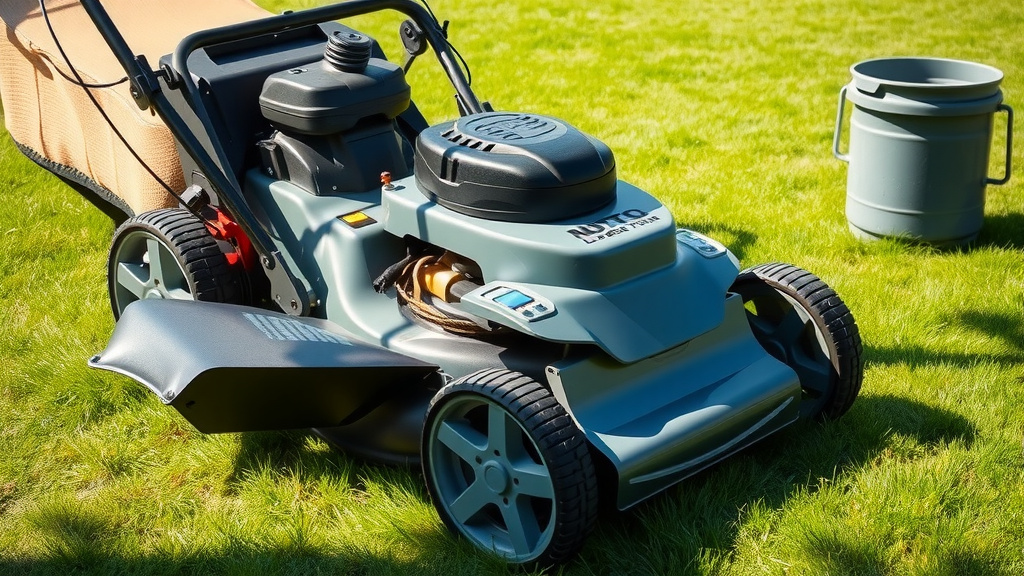
To grease a lawn mower, you need to locate its zerk fittings, typically found on wheel bearings, spindles, and axle pivots, and then use a grease gun to inject the proper lubricant.
Regular greasing is essential for lawn mower longevity, as it minimizes friction, prevents wear on moving parts, and ensures smooth operation, keeping your machine running its best.
Here’s the quick take on greasing your lawn mower, giving you the real answers fast:
- Greasing your mower protects vital moving parts from premature wear.
- You will need a grease gun and the correct type of grease, often a lithium-based variety.
- Identify grease zerks, which are small fittings usually on wheels, spindles, and steering components.
- Pump grease slowly until you see a small bead of fresh grease squeeze out, making sure not to over-grease.
- Performing this simple task regularly leads to a happier, longer-lasting lawn mower and better performance.
How To Grease A Lawn Mower?
To grease a lawn mower, you must identify all zerk fittings on components like wheel bearings, spindles, and axle pivots. Then, use a grease gun filled with a suitable grease, often a multi-purpose lithium grease, to inject lubricant until slight resistance is felt or a small amount purges.
Why Greasing Matters for Your Mower
Think of grease as your mower’s internal sunscreen and moisturizer. It forms a protective barrier, reducing metal-on-metal friction that causes heat and wear. This small effort makes a huge difference in your machine’s performance.
We found that consistent lubrication dramatically extends the lifespan of costly components, like wheel bearings and spindle assemblies. It’s a simple preventative measure that saves you money and headaches in the long run.
When Should You Grease Your Lawn Mower?
Timing is everything when it comes to mower maintenance. You don’t want to wait until you hear squeaks or grinding noises. Regular checks are your best bet for a healthy machine.
Regular Maintenance Schedule
Many experts say to check your grease points every 25 hours of operation or at least once per mowing season (Owners Manual). If you mow often or in dusty conditions, you might need to grease more frequently. A good rule of thumb is to do it at the start of the mowing season and then periodically.
Signs Your Mower Needs Grease
Is your mower telling you something? Keep an ear and eye out for these clues. Unusual noises or stiff movements often signal a lack of lubrication.
- Squeaking or grinding sounds from wheels or deck spindles.
- Wheels that are hard to turn or feel stiff.
- Any noticeable play or wobble in the wheels or cutting deck.
- A general feeling that your mower isn’t running as smoothly as it should.
What You’ll Need to Grease Your Mower
Before you get started, gather your tools. Having everything ready makes the job quicker and easier. It also helps ensure your safety and accuracy.
- Grease Gun: A standard lever-action grease gun works great.
- Appropriate Grease Cartridge: Check your owner’s manual for the specific type.
- Rag or Shop Towels: For cleaning and wiping away excess.
- Safety Glasses: Always protect your eyes from accidental squirts.
- Work Gloves: Keep your hands clean and protected.
- Owner’s Manual: It details your mower’s specific grease points.
Choosing the Right Grease
Just like you wouldn’t use olive oil in your car engine, you need the right grease for your mower. The wrong type can do more harm than good. Most lawn mowers use a specific kind of grease.
Research suggests that a lithium-based multi-purpose grease (NLGI #2) is suitable for most lawn mower applications. However, always double-check your owner’s manual. It provides the manufacturer’s exact recommendations.
| Grease Type | Common Use | Key Benefit |
|---|---|---|
| Multi-purpose Lithium (#2) | General bearings, chassis | Versatile, good all-rounder |
| EP (Extreme Pressure) Grease | Heavy-duty applications | Strong film strength, handles high loads |
| Calcium Sulfonate Grease | Wet environments, high temperatures | Excellent water resistance |
Step-by-Step Greasing Guide
Ready to get your hands a little dirty? Follow these steps, and you will have your mower running like new. Remember, patience and precision are key.
Safety First!
Before touching anything, always prioritize safety. Turn off the engine, remove the spark plug wire, and engage the parking brake. This prevents accidental starts and keeps you safe. Wear your safety glasses and gloves, too.
Locate Grease Points (Zerk Fittings)
Your mower has tiny little “mouths” called zerk fittings. These are small metal nipples where you attach the grease gun. They are usually found on parts that move or rotate. Your owner’s manual will show you their exact locations.
Wheel Bearings
Many riding mowers and some push mowers have zerks on their wheels. These help the wheels spin freely. Look near the hub of each wheel for a small fitting.
Spindles/Arbors
The spindles hold your mower blades and allow them to rotate. These are often beneath the mower deck. Some models have zerks on top of the deck or directly on the spindle housing. They are critical for blade performance.
Front Axle Pivots
On riding mowers, the front axle often pivots to allow the mower to handle uneven terrain. Look for a zerk fitting near the pivot point of the front axle. This helps with steering and stability.
Steering Components (if applicable)
For riding mowers, some steering linkages or tie rod ends may also have zerk fittings. Keeping these lubricated ensures smooth and responsive steering. Check your manual for these less common spots.
Cleaning Before Greasing
Wipe down each zerk fitting with a clean rag before attaching the grease gun. This prevents dirt, old grease, or debris from being pushed into the bearing. A clean zerk ensures proper lubrication.
Applying the Grease
Attach the grease gun nozzle firmly to the zerk fitting. Pump the handle slowly and steadily. You will feel resistance as the grease fills the component. Stop when you see a small bead of fresh grease squeeze out around the fitting or hear a slight pop (indicating the old grease has purged).
Research often connects proper grease application with preventing rust and corrosion (Society of Tribologists and Lubrication Engineers). Don’t just guess; watch for the fresh grease!
Wipe Away Excess
Once you’ve greased a point, remove the grease gun and wipe away any excess grease with a rag. Excess grease attracts dirt and debris, which can then contaminate the moving parts. A clean finish looks better and helps protect your mower.
Common Greasing Mistakes
Even a simple task like greasing can go wrong if you’re not careful. We’ve seen a few common missteps that can actually harm your mower. Knowing these helps you avoid them.
Over-Greasing
More isn’t always better, especially with grease. Over-greasing can blow out seals, allowing contaminants to enter the bearing. It also wastes grease and makes a mess. Just apply until you see that small bead of fresh grease.
Using the Wrong Grease
Using the wrong type of grease can lead to premature bearing failure. Different greases have different properties. Always consult your owner’s manual for the manufacturer’s recommended type. It’s a small detail with big impact.
Neglecting Safety
Forgetting safety steps like disconnecting the spark plug wire can lead to severe injury. Always remember, a running engine or turning blades are extremely dangerous. A few seconds of caution can prevent a lifetime of regret.
Beyond Greasing: Other Lubrication Needs
While greasing covers many critical parts, your mower has other areas that need love. Think about your mower’s “skin” and “joints.” These also require attention to stay in top shape.
Many experts suggest spraying a light lubricant like silicone spray on hinges, cables, and pivot points that don’t have zerks. This keeps everything moving freely and prevents seizing. Rust prevention is key for overall longevity.
Conclusion
Greasing your lawn mower is a small task that yields huge benefits. By taking a few minutes to lubricate its vital parts, you significantly extend your mower’s life and ensure it runs smoothly season after season. Remember to prioritize safety, use the correct grease, and follow a regular schedule. A little attention now saves you big headaches later. Your mower, and your lawn, will thank you!
How often should I grease my lawn mower?
Most manufacturers recommend greasing your lawn mower every 25 operating hours or at least once per mowing season, typically at the beginning. If you mow frequently or in harsh conditions, you might need to grease more often. Always consult your owner’s manual for precise recommendations.
Can I use any type of grease for my lawn mower?
No, using the wrong type of grease can damage your mower’s components. Most lawn mowers require a lithium-based multi-purpose grease (NLGI #2). Always check your mower’s owner’s manual to find the exact grease specification recommended by the manufacturer.
What are zerk fittings and where can I find them on my mower?
Zerk fittings are small, metal nipples found on moving parts of your lawn mower, designed to accept grease from a grease gun. You can typically find them on wheel bearings, deck spindles (arbors), front axle pivots, and sometimes on steering components of riding mowers. Your owner’s manual will show their precise locations.
What happens if I over-grease my lawn mower?
Over-greasing can lead to several problems, including blowing out seals on bearings, which then allows dirt and moisture to enter and cause damage. It also creates excess mess that attracts more debris, potentially contaminating the components. Always stop pumping when you see a small bead of fresh grease emerge from the fitting.
Besides greasing, what other lubrication does my lawn mower need?
Beyond the zerk fittings, you should also lubricate other moving parts like cables, linkages, pivot points, and hinges that do not have grease zerks. A light penetrating oil or silicone spray can be effective for these areas, helping to prevent rust and ensure smooth operation. Check your owner’s manual for any specific non-grease lubrication points.
