
How To Hang Lawn Mower?
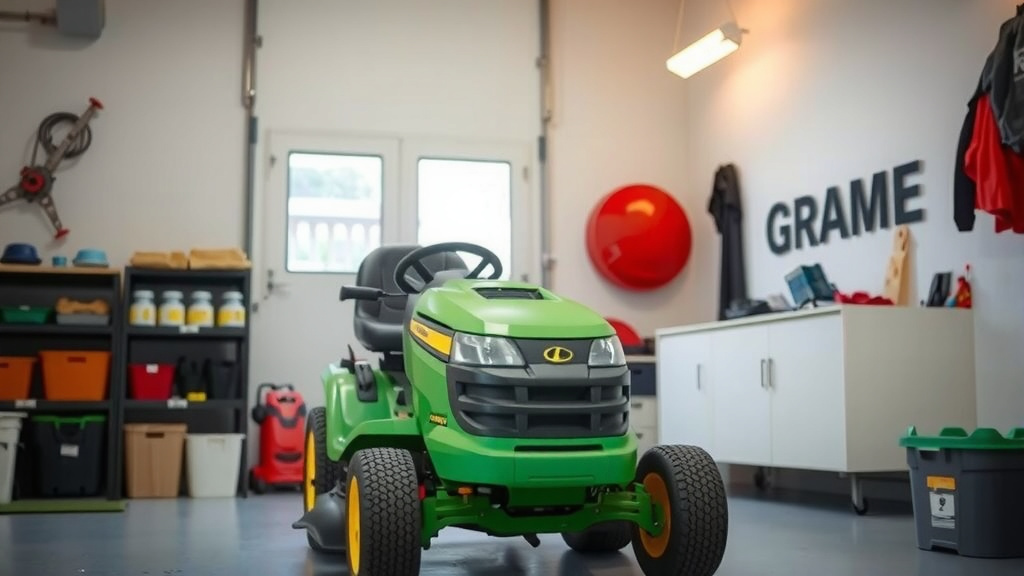
To hang a lawn mower, ensure it’s a push or electric model, as riding mowers are simply too heavy for safe wall storage. Use a heavy-duty wall mount or sturdy hooks anchored directly into wall studs, always confirming your wall can bear the significant weight.
Always clean and completely drain your lawn mower of all fuel and oil before attempting to hang it. This crucial step prevents messy spills, reduces fire hazards, and protects your engine, while choosing a location that offers both safety and easy access is also key.
- Hanging a lawn mower is a clever way to reclaim garage or shed floor space.
- This guide helps you determine if your mower is suitable for vertical storage.
- We cover the essential tools, preparation, and step-by-step installation.
- Safety, including draining fluids, is the top priority for any hanging project.
- You will find practical tips for securely mounting your mower and keeping it safe.
How To Hang Lawn Mower?
Hanging your lawn mower requires careful planning, the right equipment, and a focus on safety. We will walk you through the process, ensuring a secure and efficient storage solution.
Why Hang Your Lawn Mower?
Ever feel like your garage is bursting at the seams? Hanging your lawn mower can be a total game-changer for reclaiming precious floor space. Think about it: that bulky machine often takes up a significant footprint.
Beyond saving space, it also helps with overall garage organization. When your mower is neatly on the wall, it keeps the area cleaner and less cluttered. This can make finding tools much easier.
Plus, storing your mower vertically can keep it out of reach from small children or pets. It adds an extra layer of safety in a busy home environment.
Is Your Mower Suitable for Hanging?
Not all lawn mowers are created equal when it comes to hanging. The first thing to consider is the type and weight of your machine. This is a critical factor for safety and success.
Generally, push mowers and electric models are excellent candidates for wall storage. They are typically lighter and designed in a way that allows for vertical positioning without issues.
Riding mowers, on the other hand, are a definite no-go for hanging. Their weight and bulk make them impractical and extremely dangerous for wall mounting.
Push vs. Riding Mowers: A Big Difference
Imagine trying to hang a small car on your wall. That’s essentially the scale of difference between a push mower and a riding mower. Push mowers usually weigh between 60 to 100 pounds.
Riding mowers can easily tip the scales at 300 to 600 pounds or more. This immense weight requires specialized storage, not a simple wall mount. Many experts say to always consult your mower’s manual for specific storage recommendations.
Even with push mowers, some models with gas engines might have specific instructions for vertical storage. This often relates to the engine’s oil and fuel systems (Briggs & Stratton).
Essential Tools and Materials You’ll Need
Before you start drilling, gather everything you need. Having the right tools makes the job much smoother and safer. Don’t skip any steps here!
You will need a sturdy drill, appropriate drill bits, and a reliable stud finder. A measuring tape, a pencil for marking, and a level are also quite important.
Safety glasses are a must to protect your eyes from debris. And of course, the right wall mount or hooks will be the star of the show.
Wall Stud Finder: Your Best Friend
Never, ever try to hang anything heavy into drywall alone. Drywall simply won’t hold the weight of a lawn mower. You need to anchor your mount directly into the wall studs.
A stud finder is a small, electronic device that helps you locate these hidden wooden beams behind your drywall. We found that using a stud finder correctly prevents accidents and ensures a secure installation.
Most homes have studs spaced 16 or 24 inches apart. Finding two adjacent studs gives you the strongest possible mounting points.
Choosing the Right Mount: Hooks or Brackets?
When it comes to hardware, you have a few options. Heavy-duty storage hooks are common and effective. They often come with a wide opening to cradle the mower’s handles or wheels.
Another option is a dedicated lawn mower wall bracket. These are usually designed specifically for the shape of a mower. Many experts recommend choosing mounts rated for at least twice the weight of your mower.
Always ensure your chosen hardware includes strong lag bolts or screws designed for wood studs. Regular screws might not be sufficient for the long-term stress.
Safety First: Preparing Your Lawn Mower
This step is non-negotiable. Skipping proper preparation can lead to spills, hazards, or even damage to your mower. Take your time with this part.
Start by making sure your mower is completely cooled down if it’s been recently used. Hot engines and exhaust pipes can cause burns.
Then, we move on to the fluids. This is where most potential issues arise when storing a mower vertically. You definitely want to address this.
Emptying the Fuel Tank
Gasoline is highly flammable, and a full tank can leak when the mower is stored upright. This creates a significant fire hazard in your garage. So, drain it!
We found that using a siphon pump or running the mower until it’s out of fuel are the easiest methods. Always empty fuel into an approved, sealed gas can. The EPA recommends proper storage for gasoline in well-ventilated areas.
Never store fuel in open containers. Even a small spill can be a danger.
Draining the Oil
Engine oil can leak from seals or air filters if the mower is stored vertically without proper orientation. This creates a mess and can even damage your engine over time.
Consult your owner’s manual for specific instructions on draining oil. Some manuals also show specific angles for vertical storage that prevent oil leaks if draining is not preferred. Research often points to proper engine orientation as key (Briggs & Stratton).
If you’re unsure, draining the oil completely is the safest bet. Always collect used oil in a container and dispose of it responsibly at an auto parts store or recycling center.
Cleaning the Deck and Blades
Before hanging your mower, give it a good clean. Grass clippings and dirt can attract pests or lead to rust over time. A clean machine is a happy machine!
Scrape off any caked-on grass from the underside of the deck. You can use a hose for stubborn dirt, but ensure the mower is completely dry before storage. Rust prevention is important for longevity.
Check the blades for damage or dullness. Now might be a good time for blade sharpening or replacement, as it’s easier when the mower is off the ground.
Step-by-Step Guide to Hanging Your Mower
You’ve prepped your mower and gathered your tools. Now, let’s get that mower up on the wall. Follow these steps carefully for a safe installation.
Locating and Marking Studs
First, use your stud finder to locate two adjacent wall studs where you plan to hang your mower. Mark the center of each stud with a pencil.
Measure the width of your mower. Then, decide on the vertical height for your mount, considering the mower’s dimensions and how high you want it off the floor. Use a level to ensure your marks are straight for the mounting hardware.
For two hooks, mark their positions on the studs, matching the width of your mower’s handles or frame.
Installing Your Wall Mount Securely
Drill pilot holes into the center of your marked stud locations. The size of the pilot hole should match the recommendation for your lag bolts or screws. This prevents splitting the wood.
Attach your heavy-duty hooks or bracket to the wall using the lag bolts. Use a wrench or socket to drive them in tightly. The bolts should be fully engaged in the stud.
Give the installed mount a good tug or put some weight on it to test its stability. You want to be absolutely sure it’s secure before hanging your mower.
Lifting and Hanging Your Mower Safely
This is where an extra pair of hands can be really helpful. Lawn mowers are awkward to lift alone, even if they’re not extremely heavy. If you lift alone, use proper lifting techniques to protect your back.
Carefully lift the mower and position its handles, frame, or wheels onto the hooks or bracket. Ensure it’s balanced and sits snugly against the wall.
Double-check that the mower is stable and won’t wobble or slip. It should feel firmly seated in its new vertical home.
Long-Term Storage Tips After Hanging
Your mower is now safely hanging, freeing up your floor space. But what about long-term care while it’s up there? A little attention goes a long way.
Consider covering your mower with a breathable fabric cover. This protects it from dust and debris, which can accumulate over time in a garage or shed. Keeping it clean helps maintain its condition.
Make a note to refuel and add fresh oil before your next mowing season. Old fuel can gum up the carburetor, and fresh oil ensures proper lubrication when you restart it.
Periodically check the wall mount to ensure it remains secure. Vibrations or changes in temperature can sometimes loosen bolts over many months. A quick check provides peace of mind.
Checklist for Hanging Your Lawn Mower
- Confirm your mower is a push or electric model.
- Gather all necessary tools: stud finder, drill, wrench, level.
- Completely drain all fuel and oil from the mower.
- Clean the mower deck and blades thoroughly.
- Locate and mark wall studs accurately.
- Install heavy-duty hooks or a bracket firmly into the studs.
- Safely lift and hang the mower, ensuring it is balanced.
Conclusion
Hanging your lawn mower is an intelligent way to maximize space and maintain a tidy garage. By following these steps, you can securely store your push or electric mower, keeping it safe and ready for its next use. Remember that preparation, selecting the right hardware, and focusing on safety are the cornerstones of a successful installation. Enjoy your newfound floor space and the satisfaction of a well-organized workspace!
Can I hang a gas lawn mower vertically with fuel in it?
No, you should always completely drain the fuel tank before hanging a gas lawn mower vertically. Leaving fuel in the tank can lead to leaks, creating a significant fire hazard and potentially damaging your engine’s carburetor or seals due to improper oil distribution.
What type of wall is best for hanging a lawn mower?
The best type of wall for hanging a lawn mower is one with exposed studs, typically found in garages or sheds. You must anchor your heavy-duty mount or hooks directly into these wooden studs, as drywall alone cannot support the weight safely. Concrete or brick walls are also suitable with appropriate anchors.
How high should I hang my lawn mower?
You should hang your lawn mower high enough to be off the ground, clearing any obstacles, but still at a manageable height for lifting and removing. Many experts suggest aiming for a height where the bottom of the mower is 1-2 feet from the floor, allowing for easy access without straining.
Do I need to remove the blade before hanging?
While not strictly necessary, removing or securing the blade before hanging is a good safety practice. This prevents accidental cuts during handling. If you don’t remove it, ensure the blade is thoroughly cleaned and consider covering the sharp edges with a protective guard.
Can hanging damage my lawn mower engine?
Hanging a gas lawn mower improperly or without draining fluids can damage the engine. If fuel or oil leaks, it can flood the carburetor or contaminate the air filter. However, if you drain all fluids and follow the manufacturer’s vertical storage guidelines (if any), hanging your mower should not cause engine damage.
