
How To Mow A Tiny Lawn?
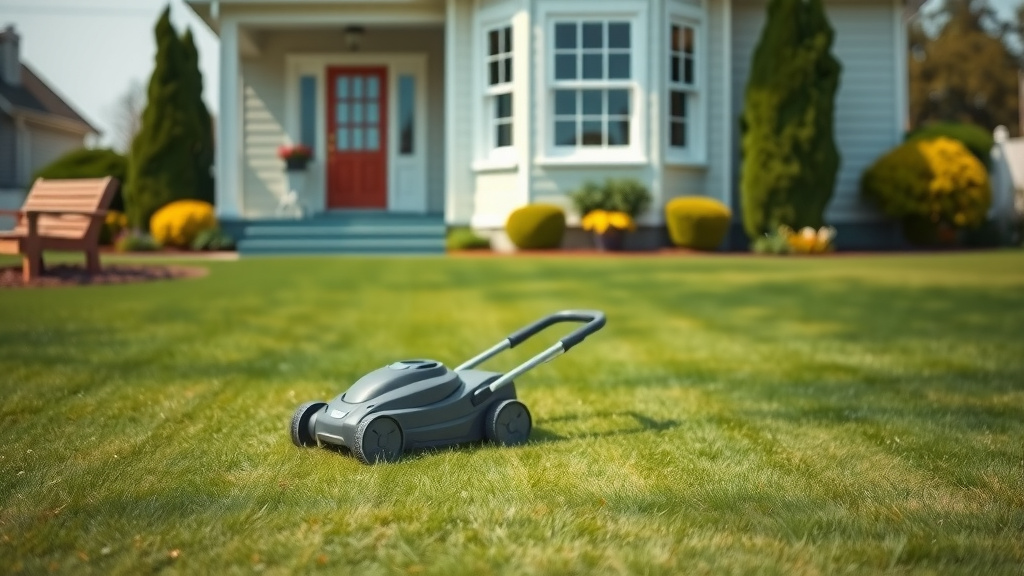
To mow a tiny lawn effectively, choose the right equipment like a push reel mower or a small electric model, and focus on precision and safety.
You can efficiently mow a tiny lawn by making short, overlapping passes and always removing debris before you start.
- Select the perfect small mower (manual or electric).
- Always prep your lawn by clearing it first.
- Use a consistent, overlapping mowing pattern.
- Maintain your mower for a cleaner cut.
- Mowing tiny lawns is quick and satisfying!
How To Mow A Tiny Lawn?
Mowing a tiny lawn requires different tools and techniques than larger spaces, focusing on maneuverability and efficiency.
Why Tiny Lawns Are Unique
Small spaces have their own charm and challenges. Think about obstacles and tight corners you might encounter.
The Charm of Compact Green Spaces
A small lawn offers a welcoming patch of green without the overwhelming upkeep. It’s your personal oasis, after all!
Many homeowners with smaller yards find the idea of lawn care less daunting. It’s truly a manageable project.
Choosing Your Mower: The Right Tool Makes All the Difference
Selecting the ideal mower for your tiny patch can save you time and effort, making the job enjoyable instead of a chore.
A poorly chosen mower can turn a quick task into a frustrating wrestling match with your yard.
Manual Reel Mowers: The Eco-Friendly Pick
These are quiet, emission-free, and perfect for small, flat areas. They give a scissor-like cut, which many experts find healthier for grass (Lawn Care Industry Journal).
Plus, you get a little exercise! It’s a win-win situation for you and the environment.
Electric Mowers: Corded or Cordless?
Electric models are light and easy to start. Corded ones need an outlet, while cordless offer freedom with a battery.
Corded options mean no charging, but you’ll manage a cable. Cordless offers flexibility, but remember to keep the battery charged.
Considering Robot Mowers for Small Spaces
For ultimate convenience, a robotic mower can handle the job automatically. We found they work surprisingly well for contained, tiny lawns.
Imagine your lawn always looking neat without lifting a finger. It’s like having a tiny lawn butler!
Prepping Your Tiny Lawn for Mowing Day
A little prep work goes a long way in ensuring a smooth and safe mowing experience for your compact lawn.
Think of it as setting the stage for a great performance by your mower.
Clear the Way: Debris and Obstacles
Before you even think about starting the mower, walk your lawn. Remove toys, stones, or anything that could damage your blades (Safety First Council).
A small pebble hitting a blade can send it flying, which is definitely something to avoid.
When to Mow: Timing is Everything
The best time to mow is in the late morning or early evening when the grass is dry. Wet grass can clump and clog your mower.
Mowing wet grass also leads to an uneven cut and can be tougher on your machine. So, always wait for it to dry.
The Art of Mowing: Techniques for Small Areas
Mowing a tiny lawn isn’t just about pushing a machine; it’s about smart movements to get the best results efficiently.
You want a clean, even cut that makes your small space shine.
Mowing Patterns: Straight Lines or Spirals?
For tiny lawns, overlapping strips or even a spiral pattern can work well. The goal is to cover everything without too many turns.
Try starting at the edges and working your way in, creating a neat border as you go.
The “Third Rule” for Grass Height
Never cut more than one-third of the grass blade’s height at once. This keeps your lawn healthier and prevents scalping (University of Florida Extension).
Cutting too much can shock the grass, making it weak and vulnerable to weeds and diseases.
Edging and Trimming: The Finishing Touches
After mowing, use a string trimmer or edger to get those neat lines around paths and flowerbeds. It truly makes your tiny lawn pop.
These small details make a big impact, giving your compact green space a professional and finished look.
Tiny Lawn Mower Maintenance Tips
Keeping your small mower in top shape ensures it performs well and lasts longer, protecting your investment.
A well-maintained mower is a happy mower, and it will serve you better for years.
Blade Sharpness: A Must-Do
A sharp blade cuts cleanly, which is better for your grass’s health. We found that dull blades tear the grass, leading to brown tips.
Think of it like using a sharp knife versus a dull one in the kitchen. The results are vastly different!
Cleaning Your Mower After Each Use
Brush off grass clippings from the deck and blades. This prevents rust and keeps your mower running smoothly.
A quick clean after each mow can significantly extend the lifespan of your equipment.
| Mower Type | Pros | Cons |
|---|---|---|
| Manual Reel | Quiet, eco-friendly, great cut | Needs flat ground, physical effort |
| Corded Electric | Light, no gas, consistent power | Cord management, limited range |
| Cordless Electric | Freedom, no gas, portable | Battery life, charging time |
- Checklist for a Perfect Tiny Mow:
- Remove all debris from the lawn.
- Ensure grass is completely dry.
- Set your mower to the correct height.
- Mow in overlapping, consistent passes.
- Edge and trim for a crisp look.
- Clean your mower thoroughly afterward.
Common Mistakes to Avoid on Tiny Lawns
Even with small spaces, there are pitfalls. Knowing what not to do is just as important as knowing what to do.
A few simple adjustments can prevent common errors that impact your lawn’s health and appearance.
Don’t Cut Too Short!
Scalping your lawn can stress the grass and invite weeds. Resist the urge to go for the shortest setting.
Taller grass blades actually shade the soil, helping to retain moisture and keep weed seeds from sprouting.
Ignoring Edges and Corners
These tricky spots need attention. A well-trimmed edge really defines your tiny lawn’s appearance.
Skipping the edges is like forgetting to frame a beautiful painting. It just doesn’t look as good!
Conclusion
Mowing a tiny lawn truly becomes a quick, satisfying task with the right tools and approach. You’ll find that embracing its small size makes lawn care feel less like a chore and more like a rewarding little project.
By following these straightforward tips, you can maintain a beautiful, healthy lawn that adds charm and beauty to your outdoor space, all with minimal fuss.
How often should I mow a tiny lawn?
We found that most tiny lawns benefit from mowing once a week during peak growing season. This keeps the grass healthy and looking neat.
Are battery-powered mowers good for small yards?
Yes, battery-powered mowers are fantastic for small yards! They offer great maneuverability without a cord and are quieter than gas models.
Can I use a string trimmer instead of a mower for a really small lawn?
For very tiny patches, a string trimmer can definitely work as a mower. Just be mindful to keep the cutting height consistent for an even look.
What’s the best time of day to mow a tiny lawn?
Experts often suggest late morning after the dew has dried, or early evening. This avoids stressing the grass during the hottest part of the day (Royal Horticultural Society).
Should I bag or mulch the clippings from a tiny lawn?
Mulching is often preferred, as it returns nutrients to your lawn. For tiny lawns, the clippings are usually minimal, making mulching a simple and beneficial choice.
