
How To Increase Lawn Mower Power?
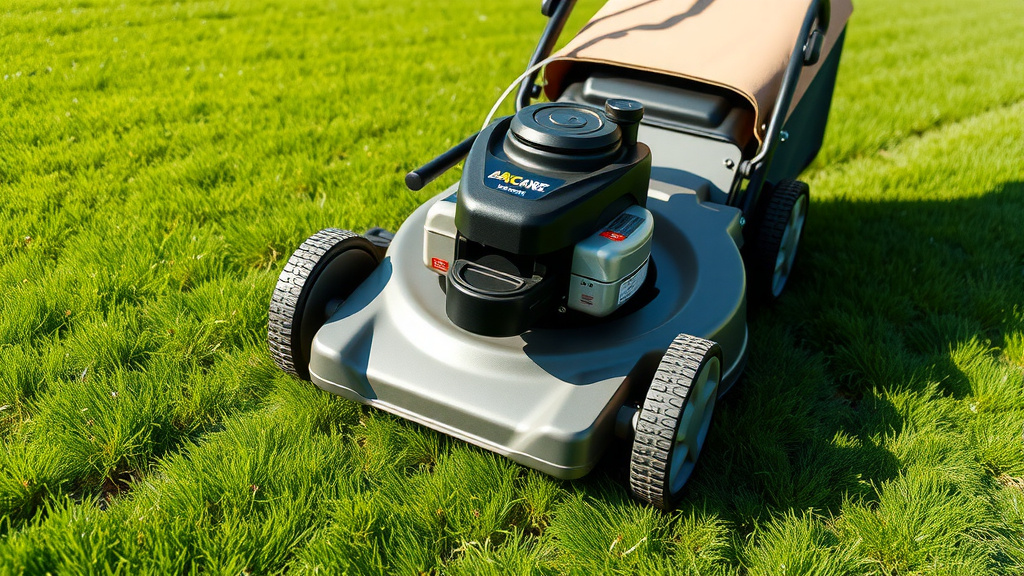
To effectively increase lawn mower power, you should prioritize a clean carburetor, fresh fuel, a sharp blade, and a clear air filter, as these directly impact engine efficiency and cutting ability.
Regular maintenance and simple upgrades can restore lost power and help your lawn mower run smoother, especially when dealing with dense grass.
Here’s a quick overview of what you’ll learn to get your mower roaring again:
- Keep your fuel system spotless and use fresh gas.
- Make sure your air filter isn’t choking your engine.
- Get that spark plug working at its best.
- Sharpen and balance your mower blade for effortless cutting.
- Consider a few simple upgrades for extra performance.
You’ve likely felt it: that moment when your lawn mower just isn’t pulling its weight. Maybe it bogs down in thick grass, or it sounds weaker than it used to. It’s frustrating, right? We all want a mower that performs reliably, tackling our yard work without a fuss.
Don’t worry, you’re in the right place. We’re going to walk through practical, straightforward steps to bring that power back. Think of it like giving your mower a real pep talk and a tune-up it deserves.
How To Increase Lawn Mower Power?
To increase your lawn mower’s power, focus on optimizing fuel, air, and spark delivery, along with maintaining a sharp cutting blade. These elements are key to efficient engine performance.
Start with the Basics: Fuel and Air
Your lawn mower engine is essentially a hungry beast. It needs a steady diet of fuel and plenty of air to breathe. If either of these is compromised, your mower will feel sluggish, guaranteed.
Fuel Quality Matters
Old or contaminated fuel is a primary culprit for lost power. Did you know that gasoline can go stale in as little as 30 days? Stale fuel loses its volatility, making it harder for your engine to ignite efficiently.
Always use fresh, clean gasoline. If your mower sat all winter with gas in the tank, it’s best to drain it and refill with new fuel. Many experts suggest using a fuel stabilizer if you store gas for more than a month (Briggs & Stratton).
The Carburetor Connection
The carburetor is like your engine’s digestive system, mixing fuel and air. If it’s dirty, gummed up, or clogged, that mix will be off. This directly translates to reduced engine power and poor performance.
Cleaning your carburetor can be a game-changer. You might spray carburetor cleaner into the intake while the engine runs, or for more stubborn issues, a full disassembly and cleaning might be needed. We’ve often found that a good carburetor cleaning brings back lost power almost instantly.
Don’t Forget the Air Filter
Imagine trying to run a marathon while holding your breath. That’s what your engine feels like with a dirty air filter. A clogged filter restricts airflow, meaning your engine can’t get enough oxygen for proper combustion.
Check your air filter regularly. If it’s caked with dirt, dust, or grass clippings, it’s time for a change. A clean air filter ensures your engine breathes easy, delivering consistent power. This is a simple, inexpensive fix that makes a big difference.
Sparking More Power
After fuel and air, the spark is the crucial third leg of the combustion triangle. Without a strong, consistent spark, your engine won’t fire correctly, leading to misfires and noticeable power loss.
Check Your Spark Plug
A worn, fouled, or improperly gapped spark plug can severely impact power. Carbon buildup or corrosion on the electrode can weaken the spark, causing incomplete combustion.
Inspecting your spark plug is easy. Remove it, clean any carbon deposits, and check the gap with a feeler gauge according to your mower’s manual. Many guidelines point to replacing the spark plug annually as a good preventative step (Husqvarna).
The Blade’s Role in Power
This might surprise you, but your mower’s blade plays a huge part in how much power your engine *seems* to have. A dull blade forces the engine to work much harder.
Sharpening for Efficiency
Think about trying to cut paper with dull scissors versus sharp ones. A dull lawn mower blade tears the grass instead of cleanly cutting it. This creates immense drag, making your engine strain and bog down.
A razor-sharp blade cuts through grass with minimal effort. It allows your engine to maintain its RPMs, giving you that feeling of increased power and a much cleaner cut. We found that sharpening your blade several times a season is generally beneficial.
Balancing Your Blade
After sharpening, it’s important to balance the blade. An unbalanced blade causes vibrations, which can stress your engine and other components. These vibrations steal power and lead to an uneven cut.
You can purchase a simple blade balancer tool. If one side is heavier, carefully grind a tiny bit of metal off the heavier side until it balances. A properly balanced blade ensures smooth operation and directs more power to cutting.
Engine Health and Performance
Beyond the basics, maintaining your engine’s overall health contributes significantly to its power output and longevity. Don’t neglect these vital aspects.
Oil Changes: A Small Step, Big Impact
Engine oil lubricates moving parts, reduces friction, and helps cool the engine. Old, dirty oil loses its lubricating properties, increasing friction and making the engine work harder.
Regular oil changes, as recommended by your mower’s manufacturer, are fundamental. Fresh engine oil means less friction, a cooler engine, and ultimately, more available power for cutting. We always recommend consulting your owner’s manual for the correct oil type and change intervals.
Valve Adjustment (Advanced Tip)
For some more advanced users, valve clearance can impact engine compression and power. If valves don’t open and close at the right time, or if clearance is off, efficiency drops.
Adjusting valves is a task for those comfortable with engine mechanics, usually found in overhead valve (OHV) engines. If your mower has an OHV engine and still feels weak after other maintenance, checking valve clearances could be the next step (Kohler Engines guides).
Upgrades for Extra Oomph
Sometimes, maintenance isn’t quite enough, or you just want a little extra edge. There are a few simple upgrades that can help push your mower’s performance a bit further.
High-Performance Spark Plugs
While a standard spark plug is usually fine, some high-performance plugs, like those with platinum or iridium tips, can offer a more consistent and robust spark. This can lead to slightly more efficient combustion and a smoother running engine.
Consider upgrading if you’re looking for every last bit of power or if your current spark plug struggles with fouling. Research often connects these plugs with improved ignition reliability.
Aftermarket Air Filters
Just like with cars, some aftermarket air filters for lawn mowers are designed to offer better airflow with excellent filtration. These can help your engine breathe even easier than a standard paper filter, potentially adding a tiny bit more power.
Always choose filters designed for your specific engine model and ensure they provide adequate filtration to protect your engine from dust and debris. A better breathing engine can always perform better.
Here’s a simple checklist to boost your mower’s power:
- Change to fresh, stabilized fuel.
- Clean or replace the air filter.
- Clean or replace the spark plug.
- Sharpen and balance the mower blade.
- Change the engine oil regularly.
| Problem | Symptoms of Low Power | Solution to Increase Power |
|---|---|---|
| Old/Dirty Fuel | Engine sputters, won’t start easily, lacks power. | Drain old fuel, use fresh gas + stabilizer. |
| Clogged Air Filter | Engine bogs down, struggles under load, uses more fuel. | Clean or replace air filter. |
| Dull Blade | Leaves ragged grass, engine struggles and vibrates. | Sharpen and balance the blade. |
| Fouled Spark Plug | Misfires, hard starting, poor idling. | Clean or replace spark plug, check gap. |
| Dirty Carburetor | Engine runs rough, surges, or won’t hold idle. | Clean carburetor with cleaner or rebuild. |
Conclusion
Giving your lawn mower a power boost isn’t about magic; it’s about thoughtful maintenance and smart choices. By focusing on the fundamentals—fuel, air, spark, and a sharp blade—you can dramatically improve your mower’s performance. It’s a bit like giving it a regular check-up at the doctor. These simple, practical steps will not only increase its power but also extend its lifespan and make your lawn care tasks much more enjoyable. So, go ahead, show your mower some love, and get ready for it to tackle your lawn with renewed vigor!
How often should I sharpen my lawn mower blade?
Most experts suggest sharpening your lawn mower blade at least once per season, but for optimal performance and a healthy lawn, sharpening two to three times annually is even better. If you mow frequently or have a large yard, more frequent sharpening might be needed.
Can using premium fuel increase my lawn mower’s power?
Generally, no. Most standard lawn mower engines are designed for regular unleaded gasoline. Using premium fuel, which has a higher octane rating, won’t provide a power boost and is often unnecessary for these engines. Stick to fresh, clean regular fuel.
Is it better to clean or replace the air filter?
It depends on the type and condition of your air filter. Foam filters can often be cleaned, washed, and re-oiled. Paper filters, however, are typically designed for replacement. If a paper filter is heavily soiled or damaged, replacement is always the better option for maximum airflow.
Will changing the oil really make my mower more powerful?
While changing the oil doesn’t directly add horsepower, it significantly reduces friction within the engine. Less friction means the engine works more efficiently, allowing more of its inherent power to be used for cutting. So, yes, it contributes to the feeling of increased power by optimizing existing power.
What’s the easiest way to tell if my spark plug needs replacement?
The easiest way is a visual inspection. Look for heavy carbon buildup, a cracked porcelain insulator, or worn electrodes. If the tip looks black, fouled, or the electrode is very rounded, it’s a good indication it needs to be replaced. Also, if your mower is hard to start or misfires, it’s a common culprit.
