
How To Mow A Lawn Wikihow?
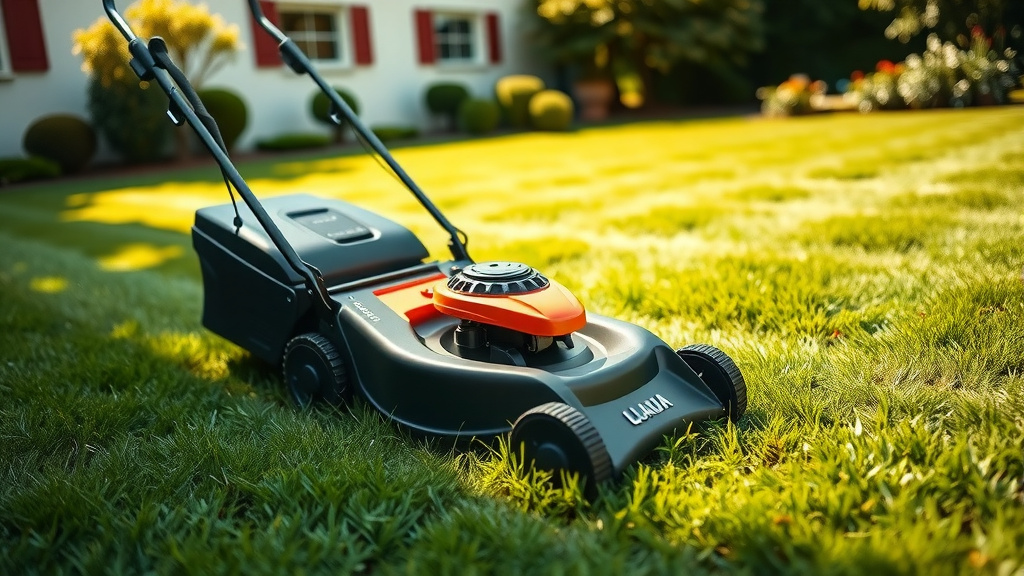
To mow a lawn like a pro, start by preparing your mower and yard, then cut at the correct height and pattern to ensure a healthy, beautiful turf. This guide will help you understand the simple steps, much like a Wikihow article would, for a pristine finish every time.
Proper lawn mowing is essential for a vibrant yard, involving more than just pushing a machine; it requires understanding grass health, mower settings, and strategic patterns for optimal growth.
- Get your mower ready: check fuel, oil, and blade sharpness.
- Clear your lawn: remove obstacles, toys, and debris.
- Set the right height: never cut more than one-third of the grass blade.
- Choose a pattern: overlap slightly for an even cut.
- Clean up after: consider grass clippings for natural fertilizer.
How To Mow A Lawn Wikihow?
Mowing a lawn involves a series of practical steps, much like following a clear guide to achieve a great result. You’ll want to prepare your equipment, set the correct cutting height, and use an effective mowing pattern for a healthy, vibrant lawn.
Preparing Your Mower and Lawn
Before you even think about cutting, a little prep goes a long way. Think of it like getting ready for a workout; you wouldn’t just jump in, would you? This step protects both you and your mower.
Check Your Equipment
First, give your mower a quick once-over. Is there enough fuel? Is the oil level okay? More importantly, is your blade sharp? A dull blade tears grass, making it susceptible to disease, as research consistently shows (University of California Agriculture and Natural Resources).
Clear the Path
Next, take a stroll across your lawn. Remove any toys, loose branches, or even forgotten garden tools. Hitting an obstacle with a mower blade isn’t just bad for the machine; it can send debris flying, posing a real safety risk. We found that clearing debris prevents accidents.
Understanding Mowing Height
This is where many people go wrong. The idea isn’t to scalp your lawn; it’s to give it a neat trim. What’s the best height? It really depends on your grass type and the season.
The “One-Third” Rule
Many experts say to never remove more than one-third of the grass blade’s total height in a single mow. Why? Because cutting too much stresses the grass, hindering its growth and making it weaker. For most cool-season grasses, 3 inches is a good target.
Adjusting for Season and Type
In hot summer months, a slightly taller cut can actually help your lawn. Taller grass shades the soil, keeping it cooler and retaining moisture better. This also helps to prevent weed seeds from sprouting, as we found through various studies (USDA).
Choosing Your Mowing Pattern
You might think any pattern works, but a smart approach ensures an even cut and can even reduce wear and tear on your lawn. Plus, it just looks better!
Overlap for Evenness
Always overlap your mowing rows by a few inches. This ensures you don’t miss any patches and that the entire lawn gets an even trim. Many people like the look of straight lines, but changing directions each time you mow can prevent rutting the grass blades in one direction.
Stripes or Checkerboards?
Want those famous lawn stripes? Mow in straight lines, then turn around and mow an adjacent line in the opposite direction. The direction of the grass blades creates the optical effect. For a checkerboard, simply mow perpendicular lines on your next mow. It’s a simple trick for visual appeal.
Dealing with Grass Clippings
What do you do with the grass bits? Should you bag them or let them lie?
“Grasscycling” for Health
Leaving clippings on the lawn, also known as “grasscycling,” is actually beneficial! They break down quickly, returning valuable nutrients and organic matter to the soil. We found that this practice can reduce the need for chemical fertilizers (Environmental Protection Agency).
When to Bag
However, if your grass is overly long or you have a lot of weeds going to seed, it’s a good idea to bag the clippings. Excessively long clippings can clump and smother the grass underneath, while bagging weed seeds prevents them from spreading.
When is the Best Time to Mow?
Timing isn’t everything, but it’s certainly important when it comes to mowing your lawn. You want to mow when the grass is dry, usually mid-morning or late afternoon.
Avoid Wet Grass
Never mow a wet lawn. Wet grass clogs your mower, clumps unevenly, and can even spread disease. It’s also much more difficult to get a clean cut. A dry lawn cuts cleanly and safely.
Consider the Heat
Mowing in the scorching midday sun stresses both you and your lawn. The grass blades can scorch after being cut, especially if they’re exposed to intense heat immediately afterward. Late afternoon gives the grass time to recover before the heat of the next day.
Safety First When Mowing
Mowing can be dangerous if you’re not careful. Always prioritize your safety.
Personal Protective Equipment
Wear sturdy shoes (no sandals!), long pants, and eye protection. You never know when a stray rock might fly out. Ear protection is also a good idea, especially with louder mowers. Many guidelines point to PPE as a good first step (OSHA).
Safe Mower Operation Checklist
- Never pull the mower towards you.
- Turn off the engine when clearing debris or making adjustments.
- Keep children and pets away from the mowing area.
- Be mindful of slopes; mow across them with a walk-behind mower, not up and down.
- Never leave a running mower unattended.
Common Mowing Mistakes to Avoid
Even seasoned lawn care enthusiasts can make small errors. Let’s look at a few pitfalls.
| Mistake | Why It’s Bad | Solution |
|---|---|---|
| Cutting Too Short | Stresses grass, promotes weeds, thins turf. | Follow the “one-third” rule; raise blade. |
| Dull Blades | Tears grass, causes brown tips, increases disease risk. | Sharpen blades regularly (at least once per season). |
| Mowing Too Often | Excessive stress, not enough time for recovery. | Mow when grass needs it, not on a strict schedule. |
| Ignoring Clippings | Removes nutrients, requires more fertilizer. | Grasscycle unless grass is too long or weedy. |
| Mowing in the Same Direction | Causes ruts, compacts soil, uneven wear. | Alternate mowing patterns and directions. |
After Your Mow: What Next?
You’ve finished the hard work! But there are a few simple things to do to keep everything in tip-top shape.
Clean Your Mower
Once your mower is cool, take a moment to scrape off any caked-on grass from the underside of the deck. This prevents rust and keeps your mower running efficiently. Clean equipment lasts longer.
Water Appropriately
Wait a little while before watering your lawn after mowing. Giving it an hour or two allows the grass to recover from the cut. Then, a deep, infrequent watering is generally better than shallow, frequent sprinkles.
Conclusion
Mowing your lawn isn’t just a chore; it’s an art that contributes significantly to your yard’s overall health and appearance. By following these practical steps—from proper preparation and setting the right cutting height to using smart mowing patterns and ensuring safety—you can achieve a lawn that not only looks fantastic but is also resilient and thriving. Remember, a little understanding and care go a long way in cultivating a beautiful outdoor space.
How often should I sharpen my mower blades?
For most residential lawns, sharpening your mower blade once per mowing season is a good general guideline. If you frequently hit debris or have a very large lawn, you might consider sharpening it twice a year or whenever you notice torn grass blades rather than clean cuts.
Can I mow my lawn in the rain?
It’s best to avoid mowing in the rain or when the grass is wet. Wet grass can clump under your mower deck, lead to an uneven cut, and potentially spread fungal diseases. It also makes mowing more hazardous due to slipping risks and can be harder on your mower.
What’s the ideal grass height for a healthy lawn?
The ideal grass height varies by grass type and season, but generally, maintaining a height of 2.5 to 3 inches for most cool-season grasses and 2 to 2.5 inches for warm-season grasses is recommended. The key is to never cut more than one-third of the grass blade at a time.
Should I bag my grass clippings or leave them on the lawn?
Most experts recommend leaving grass clippings on the lawn (often called “grasscycling”). These clippings quickly decompose, returning valuable nutrients and organic matter to the soil, which can reduce your need for additional fertilizers. Bagging is only typically necessary if the clippings are very long and would smother the lawn, or if you’re dealing with a severe weed problem.
How can I prevent scalping my lawn on uneven terrain?
To prevent scalping on uneven terrain, adjust your mower’s cutting height higher than usual. Consider mowing these areas in a different pattern, possibly cross-wise on slopes. If the unevenness is significant, using a string trimmer for those specific spots might be a better option to ensure an even and healthy cut.
