
How To Lubricate Lawn Mower?
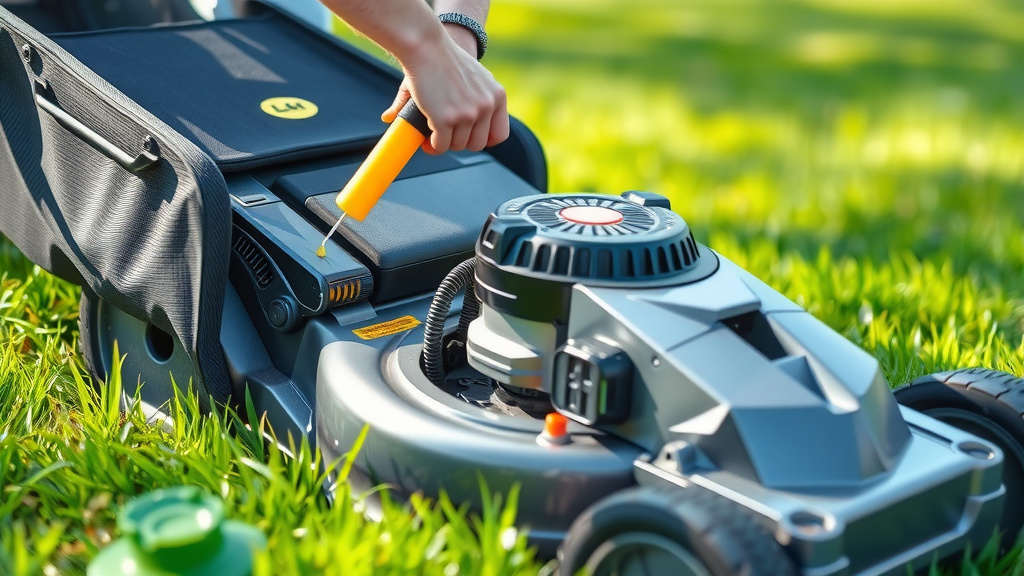
To lubricate a lawn mower effectively, first disconnect the spark plug to prevent accidental starts. Then, identify movable parts like wheel bearings, height adjustment levers, and control cables, applying a suitable lubricant such as light machine oil or lithium grease to ensure smooth operation.
Regular lubrication helps prevent rust, reduces friction, and extends the lifespan of your lawn mower’s moving components, making it easier to start and operate efficiently season after season.
- Get ready to extend your mower’s life and enjoy smoother cuts.
- Discover the specific spots on your mower that crave lubrication.
- Learn which lubricants work best for different parts.
- Find out how often you should give your mower some lubrication love.
- Avoid common pitfalls that can harm your machine.
Picture this: you’re ready to tackle your lawn, but your mower groans and grinds. It’s a frustrating sound, isn’t it? Often, this struggle points to one simple, fixable issue: a lack of lubrication. Just like a car engine, your lawn mower has many moving parts that crave a little slickness to work their best.
Taking a few moments to lubricate your mower can make a huge difference. It keeps parts from wearing out too fast, helps things move freely, and ultimately saves you money and headaches down the road. Let’s get your mower running like a dream again!
How To Lubricate Lawn Mower?
To lubricate your lawn mower, focus on its moving parts such as wheel axles, height adjusters, and control cables, using appropriate grease or oil after ensuring the mower is clean and safe to work on. This routine maintenance keeps everything running smoothly.
Why Lubrication Matters for Your Mower
Think of lubrication as your mower’s lifeblood. It reduces friction between metal parts, which is the main cause of wear and tear. Without it, components grind against each other, leading to premature failure and costly repairs.
We found that well-lubricated parts also operate more quietly and efficiently. This means your engine doesn’t have to work as hard, potentially saving on fuel consumption and extending its overall lifespan (Consumer Reports).
Essential Tools for the Job
Before you dive in, gather a few basic items. You’ll need some rags or old towels for cleaning, a wire brush, and a few different lubricants. Having a good pair of gloves is also wise to keep your hands clean.
A grease gun might be useful for fittings, and a spray lubricant with a straw attachment can help you reach tricky spots. Don’t forget your owner’s manual for specific recommendations.
Safety First: Before You Start Lubricating
Your safety is always the top priority. Before doing any maintenance, always disconnect the spark plug wire. This prevents the engine from accidentally starting while you’re working on it, which is a non-negotiable step.
Also, ensure the mower is cool and on a flat, stable surface. Wearing work gloves and eye protection is always a good idea. We always advise treating your mower with respect, as it has sharp blades and moving parts.
The Key Areas That Need Lubrication
Not every part of your mower needs lubrication, but several key areas do. Knowing where to focus your efforts will make the process quicker and more effective. It’s about targeted maintenance for maximum impact.
Wheel Bearings and Axles
The wheels endure a lot of stress. Their axles and any internal bearings need regular attention. Many experts recommend a good quality multi-purpose grease or heavy-duty spray lubricant for these spots.
Remove the wheels, clean the axles thoroughly, and then apply a thin layer of grease or a few sprays. This helps the wheels spin freely and reduces strain on the engine.
Control Cables and Linkages
Think about the cables that engage your blades or control your drive. They move constantly. A light machine oil or a silicone-based spray lubricant works best here to keep them from sticking.
Look for points where the cables enter their housings or connect to levers. A few drops or a quick spray can prevent them from seizing up. This ensures a smooth, responsive operation.
Height Adjustment Mechanisms
How often do you change your cutting height? These levers and linkages can get stiff. A spray lubricant or light oil applied to the pivot points and springs will make adjustments effortless.
Clean away any grass clippings or dirt first, then apply the lubricant. You’ll be surprised how much easier it becomes to switch between different cutting levels. This ensures consistent lawn care.
Deck Pivot Points
For deck-style mowers, the points where the deck attaches and pivots can become dry. These are crucial for proper cutting. A squirt of spray lubricant or a dab of grease here can prevent binding.
These points might not be obvious at first glance, but they play a big role in how your deck floats. Keeping them moving freely contributes to a level and even cut across your lawn.
The Engine (A Different Kind of Lubrication)
It’s vital to note that lubricating the engine refers to changing its oil, not applying external lubricants. Your mower’s engine has its own specific oil requirements that differ from the external components. Always check your owner’s manual for the correct type and frequency of oil changes, which is critical for engine health.
Choosing the Right Lubricant
Picking the correct lubricant is just as important as knowing where to apply it. Using the wrong type can sometimes do more harm than good, attracting dirt or failing to protect components. It’s about matching the lubricant to the need for optimal performance.
Grease vs. Oil vs. Spray
Each type of lubricant has its strengths. Grease is thick and stays put, ideal for bearings and axles that need long-lasting protection. Oil is thinner, great for pivots and smaller moving parts where you need to penetrate small gaps. Spray lubricants, often silicone or lithium-based, are versatile for cables and hinges, offering easy application and repelling moisture.
| Lubricant Type | Best For | Key Benefit |
|---|---|---|
| Lithium Grease | Wheel bearings, axles, heavy-duty pivot points | Long-lasting protection, excellent adhesion |
| Light Machine Oil | Control cables, small pivot points, hinges | Penetrates small spaces, smooth operation |
| Silicone Spray | Cables, springs, plastic parts, height adjusters | Repels water, prevents sticking, non-staining |
| Multi-purpose Oil (e.g., 3-in-One) | General lubrication, light rust prevention | Versatile, good for quick applications |
Step-by-Step Lubrication Guide
Ready to get your hands a little greasy? Follow these steps for a thorough lubrication session. It’s not difficult, and you’ll feel a sense of accomplishment knowing you’ve cared for your machine.
- Safety First: Disconnect the spark plug wire. Always.
- Clean Up: Use a wire brush and rags to remove grass clippings, dirt, and old grease from the areas you plan to lubricate. A clean surface helps the new lubricant work better.
- Wheels and Axles: If possible, remove the wheels. Clean the axle thoroughly. Apply a generous amount of lithium grease to the axle shaft and inside the wheel hub. Reattach wheels.
- Control Cables: Apply light machine oil or silicone spray where cables enter their casings and at connection points. Work the controls back and forth to distribute the lubricant.
- Height Adjusters: Spray or drip lubricant onto the pivot points, springs, and moving parts of the height adjustment mechanism. Move the lever through its full range to ensure coverage.
- Deck Pivot Points: For riding mowers or models with floating decks, locate and lubricate the pivot points that allow the deck to move.
- Wipe Excess: Use a rag to wipe away any excess lubricant. Too much can attract more dirt and debris, which we found can be counterproductive.
How Often Should You Lubricate?
The frequency depends on how often you mow and the conditions. For typical home use, lubricating once or twice a season is usually sufficient. If you mow large areas, in dusty conditions, or professionally, you might need to lubricate more often, perhaps every 25 hours of use.
Many experts say to perform a visual check regularly. If parts look dry, squeak, or feel stiff, it’s a good sign they need attention. Listen to your mower; it often tells you what it needs (Power Equipment Trade).
Common Lubrication Mistakes to Avoid
Even with good intentions, you can make mistakes. Over-lubricating is one common issue; it can attract dust and grime, creating a sticky mess that actually hinders movement. A little goes a long way.
Another mistake is using the wrong lubricant. For instance, using WD-40 as a primary lubricant for bearings isn’t ideal, as it’s primarily a penetrating oil and water displacer, not a long-term lubricant (WD-40 Company). Choose lubricants specifically designed for the application.
Your Quick Lubrication Checklist
Keep this handy for your next maintenance session:
- Spark plug disconnected?
- Mower cool and stable?
- Areas cleaned of debris?
- Wheel axles and bearings lubricated?
- Control cables moving freely with lubricant?
- Height adjustment mechanisms smooth?
- Deck pivot points addressed?
- Excess lubricant wiped away?
Conclusion
Lubricating your lawn mower is a small task with big rewards. It’s a simple act of care that translates into a quieter, more efficient machine, and ultimately, a more beautiful lawn. By taking a few minutes to clean and lubricate the key moving parts, you’re not just maintaining your mower; you’re investing in its future and your peace of mind. Your mower works hard for you, so give it the attention it deserves, and it will keep your yard looking pristine for years to come. Remember, a little lubrication goes a long way in keeping your outdoor tools in top shape.
FAQs
Can I use motor oil to lubricate my lawn mower’s external parts?
While motor oil can provide some lubrication, it’s generally not the best choice for external components like wheel bearings or cables. Motor oil is designed for internal engine conditions and might be too thin or attract too much dirt for external use. Specialty greases or spray lubricants are usually more effective and durable for these applications.
What are the signs my lawn mower needs lubrication?
Common signs include squeaking or grinding noises from moving parts, stiffness when adjusting cutting height or engaging controls, and wheels that don’t spin freely. If you notice increased effort required to push or operate your mower, a lack of lubrication could be the cause.
Is it possible to over-lubricate a lawn mower?
Yes, it is possible to over-lubricate. Applying too much grease or oil can attract excessive dirt, dust, and grass clippings, forming a gritty paste that can actually increase friction and wear. It’s best to apply a thin, even coat and wipe away any excess to prevent this issue.
Should I lubricate the mower blades?
You should not lubricate the actual cutting edge of your mower blades. Lubricants can attract grass and debris, hindering their performance. Instead, focus on cleaning and sharpening the blades. If you’re storing the mower for an extended period, applying a very thin coat of light oil to the entire blade can help prevent rust, but wipe it off before the next use.
Does lubricating my lawn mower improve fuel efficiency?
Yes, indirectly, it can. When moving parts like wheels and cables are properly lubricated, they operate with less friction and resistance. This means the engine doesn’t have to work as hard to power the mower, which can lead to slightly better fuel efficiency and reduce strain on the engine over time.
