
How To Make A No Mow Lawn?
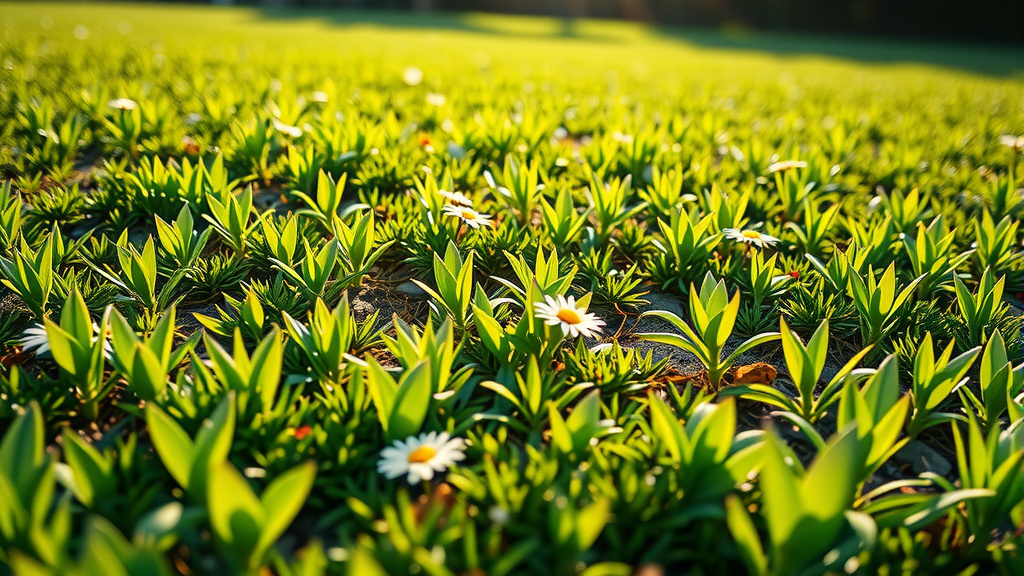
Creating a no mow lawn involves replacing traditional turf grass with low-maintenance ground covers, native plants, or specific grass varieties that require minimal to no cutting. You can achieve this by preparing your site, selecting appropriate plants, and following specific planting and care instructions.
The goal is to foster a biodiverse, natural landscape that saves you time, reduces resource consumption, and benefits local ecosystems.
- Making a no mow lawn saves you time and effort on weekly mowing.
- It reduces water usage, fertilizer needs, and your carbon footprint.
- You can choose from various plants like native grasses, microclover, or wildflowers.
- Site preparation, planting, and initial care are important for success.
- While “no mow” doesn’t mean “no care,” it significantly simplifies maintenance.
How To Make A No Mow Lawn?
To create a no mow lawn, you will transform your existing turf into a low-maintenance landscape using ground covers, native grasses, or other non-traditional lawn alternatives. This process involves careful planning, site preparation, and selecting the right plants for your climate and soil conditions.
Why Consider a No Mow Lawn?
Imagine reclaiming your weekends from the drone of a lawnmower. A no mow lawn offers a wonderful break from that chore. It’s not just about saving time; it’s about creating a more sustainable and vibrant outdoor space right outside your door.
Environmental Benefits of Going No Mow
Switching to a no mow lawn is a big win for the planet. You reduce air pollution from gas mowers, and cut down on water usage significantly (EPA). These practices support local wildlife, offering food and shelter to pollinators and beneficial insects. It’s a small change with a surprisingly large ecological impact.
Personal Perks: Time and Money Saved
Think about the hours you spend mowing, fertilizing, and watering. A no mow lawn drastically cuts this down. You will also spend less on gasoline, equipment maintenance, and chemical treatments. Many experts say this shift leads to a more relaxed and enjoyable outdoor lifestyle.
Choosing the Right Path for Your No Mow Lawn
There isn’t a single “no mow” solution; rather, it’s a spectrum of choices. Your location, soil type, sun exposure, and personal aesthetic will guide your decision. Do you want a manicured look or a wild meadow?
Low-Growing Ground Covers
These plants spread horizontally, forming a dense carpet that naturally suppresses weeds. They are often evergreen or semi-evergreen, providing year-round interest. Options like creeping thyme, sedum, or clover offer various textures and colors.
Native Grasses for Minimal Mowing
Native grasses are often perfectly suited to your local climate. They require less water and fertilizer once established. Fine fescues, for example, can be left unmown or cut just once a year to maintain a tidy look. We found they provide excellent ecological benefits (USDA).
Wildflower Meadows for Biodiversity
If you dream of a naturalistic, blooming landscape, a wildflower meadow might be perfect. These areas support pollinators, birds, and other wildlife. While they require some initial effort, their long-term maintenance is minimal, often just a single cut late in the season.
Preparing Your Site for a No Mow Transformation
Proper preparation is key to a successful no mow lawn. Don’t rush this step. It sets the foundation for healthy plant growth and reduces future weeding efforts significantly.
Removing Your Old Lawn
You need to get rid of your existing turf first. Several methods work, like solarization, sheet mulching, or careful mechanical removal. Many experts say solarization is effective for larger areas, using clear plastic to bake the grass and weed seeds (University of California Agriculture and Natural Resources).
Improving Your Soil Quality
Even if you’re planting natives, healthy soil is crucial. Test your soil to understand its composition and pH. Amend it with compost or other organic matter to provide a rich, well-draining environment. Good soil helps plants establish strong roots quickly.
Planting Your No Mow Lawn: Methods and Tips
Once your site is prepared, it’s time to bring your new landscape to life. The planting method depends on your chosen plants and your budget.
Seeding for Large Areas
Sowing seeds is generally the most economical option, especially for extensive areas. Follow the package instructions for planting depth and spacing. We found that proper seed-to-soil contact is vital for successful germination and establishment.
Using Plugs or Transplants
For certain ground covers or specific grass varieties, planting individual plugs or small transplants offers a faster establishment. This method can be more labor-intensive initially but provides quicker coverage. It is often used for areas where you want immediate visual impact.
Watering and Initial Care
Your newly planted no mow lawn will need regular watering, especially during its first few weeks or months. Keep the soil consistently moist but not waterlogged. Once established, most no mow plants are quite drought-tolerant. Research often connects consistent early watering with stronger plant health (Oregon State University Extension).
Long-Term Maintenance: “No Mow” Doesn’t Mean “No Care”
While the goal is minimal effort, a no mow lawn still requires some attention. Think of it as guiding nature, not abandoning it entirely. Your new landscape will evolve, and you’ll adjust its care as it matures.
Here’s a simple checklist for maintaining your no mow lawn:
- Monitor for weeds: Spot-pull any unwanted plants, especially in the first year.
- Check for bare spots: Re-seed or replant areas that struggle to fill in.
- Seasonal cut (if needed): Some native grasses or wildflower meadows benefit from a single cut late in the season to rejuvenate growth.
- Observe plant health: Look for signs of stress or disease and address them promptly.
- Enjoy the beauty: Take time to appreciate the life and vibrancy your new lawn brings.
Comparing No Mow Options
Choosing the right no mow solution depends on your specific needs and desired look. Here’s a quick comparison:
| Option | Appearance | Maintenance | Key Benefit |
|---|---|---|---|
| Ground Covers | Dense, low carpet (e.g., thyme, sedum, clover) | Very low, occasional weeding | Excellent weed suppression |
| Native Grasses | Naturalistic, flowing, varies in height | Low, annual cut (optional) | Drought-tolerant, eco-friendly |
| Wildflower Meadows | Diverse, seasonal blooms | Low, single late-season cut | Pollinator habitat, high biodiversity |
Conclusion
Transforming your lawn into a no mow landscape is a fulfilling project that benefits you and the environment. By carefully planning, preparing your site, and choosing the right plants, you can significantly reduce your lawn care chores. Remember, this isn’t just about saving time; it’s about fostering a beautiful, sustainable, and biodiverse outdoor space. Your efforts will lead to a healthier yard and a happier you.
How long does it take to establish a no mow lawn?
Establishing a no mow lawn typically takes one to two growing seasons. While some plants show quick growth, a full, dense coverage that effectively suppresses weeds often requires patience and consistent initial care.
Can I convert my existing lawn into a no mow lawn without killing it completely?
While you can introduce no mow plants into an existing lawn, we found that complete removal of the old turf yields much better results. This eliminates competition from the aggressive lawn grass and provides a cleaner slate for your new plants to thrive.
Are no mow lawns truly maintenance-free?
No mow lawns are low-maintenance, not entirely maintenance-free. They will still require some weeding, especially in the first year, and potentially an annual trim depending on the plant types you choose. The amount of work is significantly less than a traditional lawn.
What are the best no mow lawn options for shady areas?
For shady areas, consider ground covers like creeping thyme (in partial shade), sedges, or specific native shade grasses. We found that some varieties of moss can also create a beautiful, low-maintenance green carpet in deeply shaded spots.
Will a no mow lawn attract more insects or pests?
A no mow lawn, especially one with native plants and wildflowers, will attract a greater diversity of insects, including beneficial pollinators like bees and butterflies. Generally, this increased biodiversity helps create a balanced ecosystem that naturally keeps problematic pests in check, rather than attracting harmful ones.
