
How To Make Lawn Mower Cut Higher?
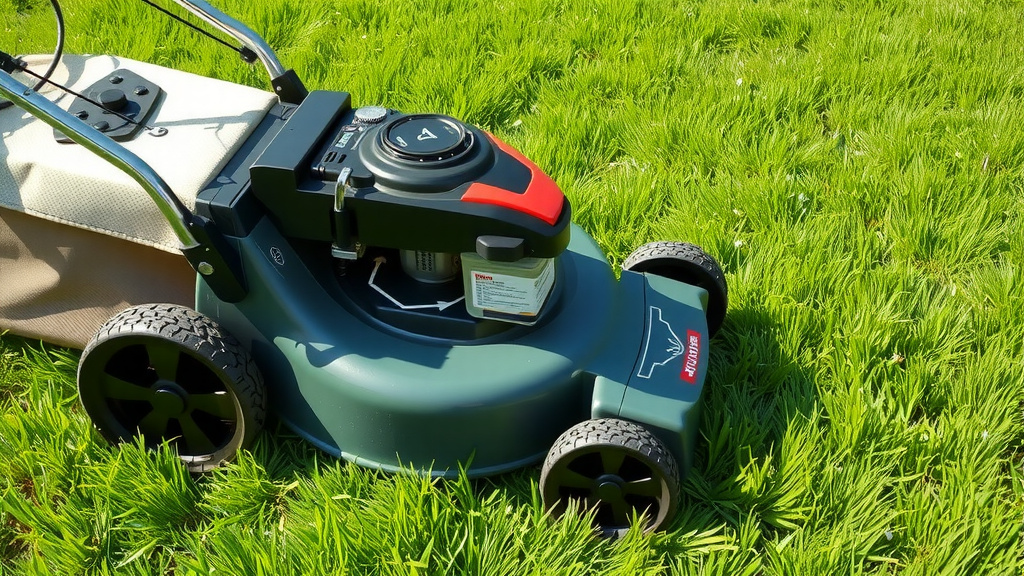
To make your lawn mower cut higher, you generally adjust the deck height using a single lever, individual wheel levers, or a deck lift system, depending on your mower type. Most experts recommend a cutting height of 2.5 to 3 inches for a healthier lawn, though this varies by grass type and season.
This simple adjustment protects your grass, promotes deeper root growth, and helps your lawn stay vibrant through various conditions. Understanding your specific mower’s mechanism and your grass type is key to achieving that perfect, lush look without stress. Getting it right prevents scalping, reduces weed growth, and saves you time and effort in the long run.
- A taller grass blade encourages a stronger root system.
- Always prioritize safety by turning off the mower and removing the spark plug before making any adjustments.
- Different mower types use various mechanisms for height adjustment; know yours.
- The ideal cutting height depends on your grass type and the current weather conditions.
- Regular maintenance, like sharp blades, helps your mower perform its best at any height.
How To Make Lawn Mower Cut Higher?
Raising your lawn mower’s cutting height is a straightforward task that offers huge benefits for your lawn. It’s like giving your grass a little extra room to breathe and grow strong. We found that most mowers have easy-to-use adjustment points, often on the wheels or a central deck lever. Simply engage these levers or pins to lift the mower deck, setting your blades higher off the ground.
Why a Taller Cut is a Game Changer for Your Lawn
You might wonder why cutting your grass taller makes such a difference. Think of it like a protective umbrella for your soil. Leaving grass blades longer helps them produce more food through photosynthesis, leading to stronger, healthier plants overall (Purdue Extension).
The Root of the Matter: Deeper Growth
When you cut grass shorter, the plant focuses energy on regrowing its blades quickly. A taller cut allows the grass to develop a much deeper and more extensive root system. These deeper roots can reach more water and nutrients, making your lawn more resilient.
Natural Weed and Moisture Defense
Taller grass blades naturally shade the soil beneath them. This shade helps keep the soil cooler and reduces moisture evaporation, especially during hot spells. We found that this also significantly cuts down on weed germination by blocking sunlight from reaching their seeds (University of Nebraska-Lincoln).
The “One-Third Rule” Explained
Many lawn care experts swear by the “one-third rule.” This simple guideline suggests you should never remove more than one-third of the grass blade’s total height in a single mowing session. For example, if you want your grass to stand at 3 inches, you should mow when it reaches about 4.5 inches tall.
Safety First: Before You Touch Anything!
Before you even think about adjusting your mower’s height, safety must come first. Lawn mowers have sharp blades and moving parts, which demand respect. Taking a few moments for safety prevents accidents and keeps you safe.
Essential Safety Steps
Always turn off your mower completely, even if it’s just for a quick peek underneath. For gasoline mowers, we found that removing the spark plug wire is a critical extra step to ensure the engine cannot accidentally start. If you have an electric or battery-powered mower, simply disconnect the power source or remove the battery.
How to Adjust Your Lawn Mower’s Cutting Height
The method you use to adjust your mower’s height depends largely on its type and design. Each system is pretty intuitive once you understand how it works. Don’t worry, it’s not like rebuilding an engine!
Walk-Behind Mowers: Quick Adjustments
Most walk-behind mowers offer two common ways to change cutting height. These systems are designed for convenience, letting you tweak the height in minutes.
Single Lever Systems
Many modern walk-behind mowers feature a single lever, often located near one of the rear wheels or directly on the deck. You simply pull this lever outward, move it to the desired notch, and then push it back in to lock the deck into its new position. It’s quick, easy, and usually very precise.
Four-Wheel Adjustments
Older or more basic walk-behind models might have individual levers or pins on each of the four wheels. For these, you’ll need to adjust each wheel separately. Make sure all four wheels are set to the exact same height position to ensure an even cut. An uneven deck leads to a patchy lawn.
Riding Mowers & Zero-Turns: Deck Adjustments
Riding mowers and zero-turns typically use a more robust system for deck height adjustment, often involving a lever or pedal that lifts the entire mower deck. These systems handle the heavier weight of the cutting deck with ease.
Using Deck Lift Levers or Pedals
On most riding mowers, you’ll find a deck lift lever or a foot pedal near the operator’s seat. Pushing or pulling this lever raises and lowers the cutting deck. There are usually various height settings indicated by numbers or notches. Some models may require you to depress a pedal first to release the deck lock.
Pin and Hole Systems
Some riding mowers also use a pin and hole system. You might see a metal rod or pin that slides into different holes on the deck hanger. To adjust, you might have to lift the deck manually or use the deck lift system, then slide the pin into the desired hole. Always refer to your owner’s manual for your specific model.
What’s the Best Height for Your Grass Type?
Just like people have different preferred bed heights, different grass types prefer different cutting heights. What’s perfect for one might stress out another. Knowing your grass type is the secret sauce here.
Cool-Season vs. Warm-Season Grasses
Cool-season grasses, common in northern climates, often prefer a slightly taller cut, around 2.5 to 3.5 inches. Warm-season grasses, found in southern regions, can sometimes tolerate a shorter cut, but many still benefit from heights of 2 to 3 inches, especially in summer heat. We found that taller grass generally protects better across the board.
| Grass Type | Recommended Cutting Height (Inches) | Notes |
|---|---|---|
| Kentucky Bluegrass | 2.5 – 3.5 | Prefers taller cuts, especially in summer. |
| Tall Fescue | 2.5 – 3.5 | Deeper roots benefit from more blade length. |
| Perennial Ryegrass | 2.0 – 3.0 | Tolerates slightly shorter cuts, but not too low. |
| Zoysiagrass | 1.0 – 2.5 | Can be cut shorter, but taller helps during drought. |
| Bermudagrass | 1.0 – 2.0 | Tolerates the shortest cuts, frequent mowing is key. |
| St. Augustinegrass | 2.0 – 3.0 | Often cut higher for best appearance and health. |
Adjusting for Seasons and Stress
During periods of drought or intense summer heat, it’s often wise to raise your cutting height by another half-inch or so. This provides extra insulation and moisture retention for your stressed lawn. Similarly, in shaded areas, a slightly taller cut can give grass blades more surface area to absorb limited sunlight.
Avoiding Common Mower Height Mistakes
Even with good intentions, some common mistakes can undo your efforts when adjusting mower height. It’s usually small things, but they make a big impact.
One common pitfall is not setting all wheels to the exact same height, leading to an uneven cut and a striped appearance. Another is trying to force an adjustment without fully releasing the locking mechanism. Always double-check your settings across the entire deck before you start mowing to ensure a clean, level pass.
Essential Maintenance for a Consistent High Cut
Even with the perfect height setting, your mower still needs a little love to perform its best. Think of it as teamwork between you and your machine. A well-maintained mower helps maintain a consistently beautiful lawn.
Sharp Blades and Clean Decks
Dull blades tear grass rather than cutting it cleanly, which stresses the plant and leaves it vulnerable to disease. We found that sharpening your blades at least once per season, or more often if you mow frequently, is a good practice. Also, regularly clean the underside of your mower deck to remove caked-on grass clippings. These can interfere with airflow and create an uneven cut.
- Check Blade Sharpness: Ensure blades are sharp for a clean cut.
- Clean Deck Regularly: Remove grass build-up for optimal airflow.
- Inspect All Wheels: Confirm all wheels are at the chosen height.
- Read Your Manual: Refer to your mower’s guide for specific instructions.
- Safety Check: Always turn off and disconnect power before any work.
Conclusion
Adjusting your lawn mower to cut higher is one of the simplest yet most impactful changes you can make for your lawn’s health. It’s more than just aesthetics; it’s about nurturing stronger roots, fending off weeds, and helping your grass stay vibrant through different seasons. By understanding your mower and your grass, you’re on your way to a lush, resilient yard.
Remember the one-third rule, prioritize safety, and keep your mower in good shape. With these practical steps, you’ll not only make your mower cut higher but also foster a happier, healthier lawn that you can truly enjoy. Your grass will thank you for it!
What are the signs I’m cutting my grass too short?
You might notice your grass looking brown or scalped, especially after mowing. Excessive weeds appearing, slower growth, or a generally stressed appearance with shallow roots are also key indicators you’re cutting too low.
How often should I adjust my mower’s height?
You should adjust your mower’s height primarily based on the season and your grass type. It’s often beneficial to cut a little higher during hot, dry summer months and slightly lower (but still adhering to the one-third rule) during cooler, growing seasons. Consistent monitoring of grass health helps determine frequency.
Can raising the mower height help with lawn diseases?
Many experts say that raising your mower height can indirectly help prevent some lawn diseases. Taller grass shades the soil, keeping it cooler and promoting deeper root growth, which makes the grass plant more resilient to stress and less susceptible to disease. It also improves air circulation slightly compared to very short cuts.
Is a dull blade more noticeable when cutting at a higher setting?
Yes, a dull blade can be very noticeable at any cutting height, but perhaps even more so when cutting taller grass. Dull blades tear the longer grass blades, leaving ragged edges that turn brown quickly, making the damage very visible and weakening the plant.
Does setting the mower higher use more fuel or battery?
Typically, setting your mower higher might use slightly less fuel or battery power because the engine isn’t working as hard to cut through dense, low-lying grass. The blades encounter less resistance. However, factors like grass thickness and mower speed play a bigger role in overall energy consumption.
