How To Make Lawn Mowing Easier?
To make lawn mowing easier, start with the right equipment and ensure your blades are sharp. Pre-plan your mowing path, avoid cutting wet grass, and tackle your lawn when it’s not overgrown. You can also consider automated solutions to drastically reduce effort and make lawn mowing easier for yourself.
A dull blade makes you work harder, while a well-maintained mower glides through grass with less struggle. Regular small efforts prevent big headaches. Think of your lawn as a living canvas; a bit of planning goes a long way toward a beautiful, easy-to-maintain outdoor space.
- Get the right mower for your lawn size and type.
- Keep your mower blades sharp for efficient cuts.
- Always clear debris before you start mowing.
- Mow when the grass is dry, usually in the late morning.
- Consider a robotic mower to automate the task.
How To Make Lawn Mowing Easier?
Making mowing your own lawn easier comes down to smart preparation, using the right tools, and adopting efficient habits. By addressing these areas, you can transform a tiresome chore into a straightforward task, saving both time and effort.
Choose the Right Mower for Your Lawn
The type of mower you own directly impacts your mowing experience. A small, flat yard probably does not need a large riding mower. On the other hand, pushing a small reel mower across two acres would feel like punishment.
Mower Type Matters
For smaller lawns, a lightweight electric mower or a push mower can work well. Medium-sized yards often benefit from gas-powered push mowers or self-propelled models. Larger properties almost demand a riding mower or zero-turn option. Many experts suggest matching your mower to your lawn’s terrain and size (Consumer Reports).
Sharpen Your Blades Regularly
A sharp blade cuts grass cleanly, like a chef’s knife slicing a tomato. A dull blade, we found, tears the grass, leaving ragged edges that turn brown. This not only makes your lawn look unhealthy but also forces your mower engine to work harder.
Dull blades can slow you down and require multiple passes. Many lawn care professionals recommend sharpening mower blades at least once per season. If you mow frequently or have a large yard, sharpening more often could be wise.
Prepare Your Lawn Before You Mow
Before you even pull the starter cord, a few minutes of preparation can prevent frustrations. Planning for the heat can help too; see how to stay cool while mowing. This simple step can truly make lawn mowing easier and safer.
Walk your lawn first. Remove any sticks, toys, rocks, or other debris that could become dangerous projectiles or damage your mower blade. It sounds basic, but many people skip this, only to regret it later.
Mow at the Optimal Time
When you mow is almost as important as how you mow. Timing impacts both your effort and the health of your grass. We found that mowing at the wrong time can sometimes cause more harm than good.
Most experts say the best time to mow is in the late morning, after the dew has dried. Cutting wet grass is notoriously difficult; it clumps under the deck, clogs the chute, and gives an uneven cut. Wet grass also sticks to the blade, making your mower work harder.
Avoid mowing during the hottest part of the day. This is better for your energy levels and reduces stress on the grass. Grass cut during intense heat can sometimes struggle to recover, especially in dry conditions.
Master Your Mowing Pattern
Having a plan of attack can shave minutes off your mowing time and reduce overlapping. Think of it like painting a room; you would not just randomly brush here and there.
For most rectangular lawns, starting with two passes around the perimeter creates a clean border. Then, you can mow in straight, overlapping rows. Overlapping each pass by a few inches ensures you do not miss any spots. Alternating your mowing direction each week also helps the grass stand upright and prevents compaction.
The “One-Third” Rule
This is a golden rule in lawn care. Never remove more than one-third of the grass blade’s total height in a single mowing. For example, if your ideal grass height is three inches, wait until it reaches four to four and a half inches before cutting it back down. Following this rule keeps your grass healthier and reduces mowing effort.
Consider Robotic Mowers: Your Little Helper?
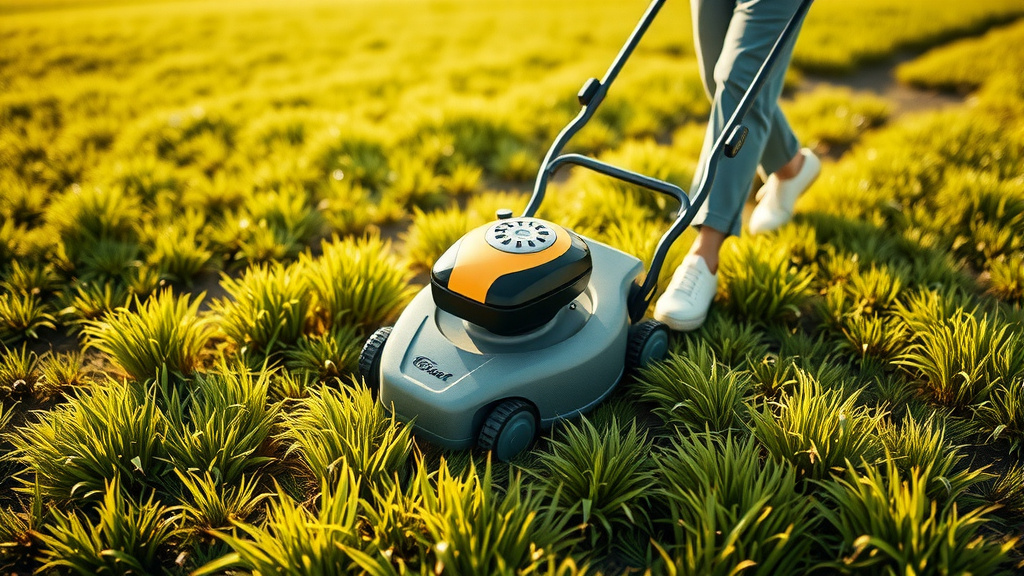
If you genuinely want to make lawn mowing easier, a robotic mower is a game-changer. These autonomous devices can cut your lawn on a set schedule, freeing up your precious weekend time. They roam your yard, quietly trimming the grass.
We found that robotic mowers are particularly good for consistently maintaining a uniform grass height. They often cut small amounts frequently, which is ideal for grass health. Many models come with smart features like rain sensors and scheduling apps (Wirecutter research).
| Feature | Traditional Mowing | Robotic Mowing |
|---|---|---|
| Effort Required | High physical effort | Minimal (setup, occasional checks) |
| Time Commitment | Regular, dedicated time | Automated, saves personal time |
| Cutting Frequency | Weekly or bi-weekly | Daily or every other day (often) |
| Noise Level | Often loud (gas) | Very quiet (electric) |
| Upfront Cost | Lower | Higher |
| Maintenance | Fuel, oil, blade sharpening | Blade changes, cleaning, charging |
Maintain Your Mower Regularly
A well-cared-for mower is a happy mower, and a happy mower makes your life easier. Simple maintenance steps prevent breakdowns and ensure efficiency.
Check the oil, air filter, and spark plug on gas mowers. Keep the underside of the deck clean from grass clippings. A build-up can reduce airflow, cause uneven cuts, and make the engine work harder.
Fueling and Storage Tips
Always use fresh fuel, especially for gas-powered mowers. Stale fuel can cause engine problems. Store your mower in a dry, covered area to protect it from the elements. This extends its life and ensures it is ready to go when you are.
Mulching vs. Bagging: What’s Best for You?
Deciding whether to mulch your clippings or bag them impacts your mowing effort. Each method has its pros and cons. Think about what works best for your lawn and your schedule.
Mulching returns fine grass clippings back into the lawn, acting as a natural fertilizer. This saves you the time and effort of bagging and disposing of clippings. Research often connects mulching with healthier soil and reduced need for external fertilizers (Cornell University).
Bagging removes clippings from your lawn, which can be useful if you are trying to prevent thatch buildup or if the grass is overgrown. However, it means extra work emptying the bag and finding a place for the clippings. If you are aiming to make lawn mowing easier, mulching is often the less labor-intensive choice.
Stay Hydrated and Take Breaks
Mowing can be physical work, especially on a hot day. Remember to take care of yourself. Staying hydrated and taking short breaks can make the entire process feel less daunting. This is not just about the mower; it is about you.
Mowing Easier Checklist
Here is a quick checklist to help you simplify your next mow:
- Mower chosen matches lawn size.
- Blades are sharp and clean.
- Lawn is clear of debris.
- Grass is dry, not wet.
- Mowing height follows the one-third rule.
- You have a clear mowing pattern.
- Mower deck is clean.
- You are taking breaks and staying hydrated.
Conclusion
Making lawn mowing easier is entirely achievable with a bit of planning and the right habits. From choosing the correct mower and maintaining its blades to adopting smart mowing techniques and considering automated options, every step contributes to a more enjoyable experience. Embrace these simple changes, and you will find yourself spending less time struggling and more time admiring your beautiful lawn. For more ways to enjoy the chore, see our guide to making lawn mowing more fun.
What is the best type of mower for a small, urban yard?
For a small, urban yard, a lightweight electric push mower or even a manual reel mower is often ideal. They are quiet, easy to store, and require minimal maintenance, making the task simple.
How often should I sharpen my lawn mower blades?
Many lawn care experts suggest sharpening your mower blades at least once per mowing season. If you have a large yard, cut frequently, or encounter tough debris often, sharpening two or three times a season can be beneficial for cleaner cuts.
Can mowing too low damage my lawn?
Yes, mowing too low, often called scalping, can severely damage your lawn. It stresses the grass, can expose the soil to excessive sunlight, and makes the lawn more susceptible to weeds and disease. Always follow the one-third rule for grass health.
What are the benefits of mulching grass clippings?
Mulching grass clippings returns valuable nutrients to your lawn, acting as a natural fertilizer. This can lead to a healthier, greener lawn and reduces your need for supplemental fertilizers. It also saves you the effort of bagging and disposing of clippings.
Is a robotic lawn mower worth the investment for a typical homeowner?
For many homeowners, a robotic lawn mower can be a worthwhile investment, especially if you dislike mowing, have limited time, or prefer a consistently manicured lawn. While the upfront cost is higher, the time saved and convenience can make it a smart choice for long-term ease.