
How To Pull Lawn Mower Cord?
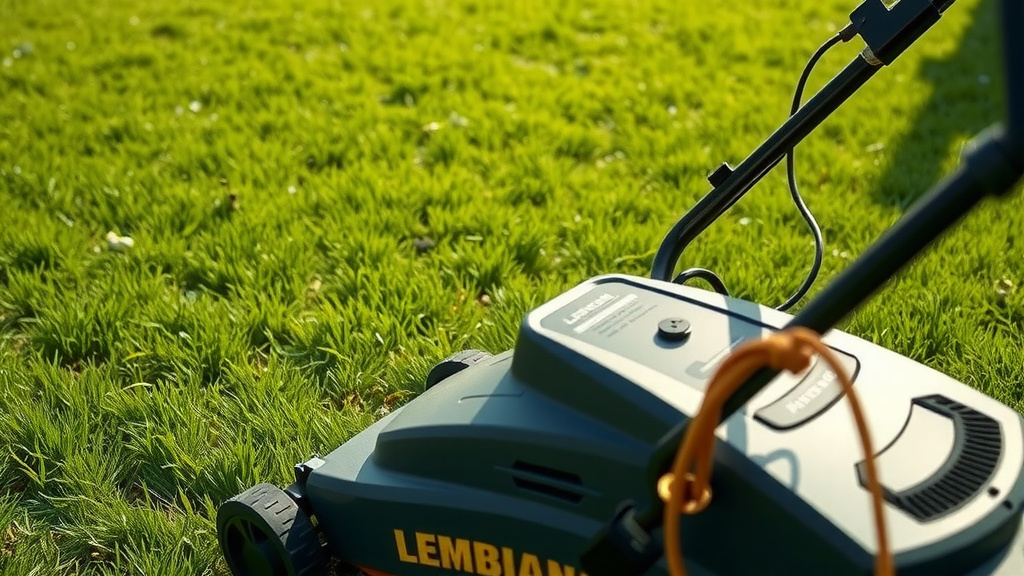
To pull a lawn mower cord effectively, first ensure the mower is on a flat surface, the fuel tank is full, and the oil level is correct. Then, hold the handle firmly with one hand and grasp the starter cord handle with the other, pulling it slowly until you feel resistance, then giving a quick, steady pull to start the engine.
A proper pulling technique involves bracing yourself, making sure the safety bar is engaged, and performing a smooth, powerful yank that fully extends the cord without jerking it at the end to prevent damage.
- To start your lawn mower, always perform a few safety checks first, like checking fuel and oil.
- Adopt a stable stance, grip the handle, and engage the safety bar.
- Pull the cord slowly to find resistance, then give a swift, full pull.
- Avoid over-pulling or letting the cord snap back; this protects the starter.
- If it doesn’t start, address common problems like a clogged air filter or old fuel.
How To Pull Lawn Mower Cord?
Pulling your lawn mower cord might seem simple, but doing it correctly makes a big difference. It helps your mower start faster and prevents wear on the starter. Let’s walk through the steps together, making sure you get it right every time.
Pre-Start Essentials: Safety First
Before you even touch that cord, some steps are vital. Think of it like a pilot’s checklist before takeoff. You want everything ready for a smooth start.
Clear Your Area
First, make sure the area around your mower is clear. Remove any toys, stones, or debris. This prevents accidents and ensures you have room to operate safely.
Check Your Fuel and Oil
Always confirm your fuel tank has enough fresh gasoline. Old fuel can cause starting issues. Also, check the oil level. Many experts agree that proper oil levels are key for engine health (Briggs & Stratton).
Engage the Safety Bar
Most modern lawn mowers have a safety bar on the handle. You must hold this bar down against the handle while pulling the cord. This is a critical safety feature that stops the engine quickly if you let go.
Mastering Your Stance and Grip
Your body position is important for a strong, safe pull. A good stance gives you leverage and keeps you balanced.
Finding Your Stable Footing
Stand with your feet shoulder-width apart, one foot slightly forward. This provides a stable base. You want to feel balanced and ready to exert force.
Gripping the Handle Firmly
Place one hand firmly on the main mower handle. Your other hand will grip the starter cord handle. A tight, secure grip on both is a must.
The Perfect Pulling Technique
Now, for the main event! The pull needs to be a specific motion, not just a random yank. We’ve found that a smooth, controlled sequence works best.
Think of it as a two-part motion: slow then fast. This engages the flywheel and then gives it the speed it needs.
The Initial Slow Pull
Grasp the cord handle. Pull it out slowly, just until you feel resistance. This is where the starter engages the engine’s flywheel. Do not yank it yet.
The Quick, Steady Pull
Once you feel that resistance, give a swift, smooth, and full pull. Extend your arm fully. Many experts recommend pulling straight up or slightly towards your body, depending on the mower’s design.
Avoid Snapping Back
Do not let the cord snap back violently into the mower. Guide it back gently. This practice helps protect the recoil spring and cord from damage. Imagine guiding a fishing line back into the reel.
When Your Mower Just Won’t Start
Sometimes, despite your best efforts, the mower stays silent. Don’t worry; this happens! We found several common culprits when mowers refuse to fire up.
It can feel frustrating, but often, the solution is straightforward. Think of it like a car that won’t start; a few key things usually solve the puzzle.
-
Check the Spark Plug: Is it dirty or loose? A clean, properly gapped spark plug is essential.
-
Fuel Issues: Is your fuel fresh? Stale gasoline can prevent starting. Ensure the fuel cap is venting.
-
Air Filter: A clogged air filter restricts airflow. This makes starting difficult. Clean or replace it.
-
Carburetor Trouble: If the carburetor is dirty, fuel flow can be blocked. This sometimes needs professional attention.
-
Oil Levels: Some mowers have a low oil sensor. If the oil is too low, the engine will not start to prevent damage.
Troubleshooting Pulling Resistance
Is the cord extra hard to pull? This is a common issue and usually has a simple fix. We found several reasons why this might occur.
| Issue | Possible Cause | Simple Solution |
|---|---|---|
| Cord is Stuck | Blade blocked by debris (grass, sticks) | Turn off, disconnect spark plug, clear blade area safely. |
| Hydrostatic Lock | Engine cylinder filled with oil or fuel | Remove spark plug, pull cord a few times to clear cylinder. |
| Brake Engaged | Safety brake is still on, preventing pull | Ensure safety bar is fully depressed against the handle. |
Maintenance for Easier Starts
Regular maintenance can prevent hard-starting problems. It keeps your mower running smoothly and extends its lifespan. Think of it as giving your mower a little spa day.
Spark Plug Care
Clean or replace your spark plug seasonally. A fresh spark plug provides a stronger spark for ignition. This is a small part with a big job.
Air Filter Cleaning
Periodically clean or replace the air filter. A clean filter ensures the engine gets proper airflow. This helps with both starting and overall performance.
Fresh Fuel Usage
Always use fresh gasoline, especially after storage. Stabilize fuel if storing the mower for more than a month. Stale fuel is a common starting issue.
Is an Electric Start Better?
Some mowers offer an electric start button instead of a cord. It’s certainly convenient, but does it mean the end of pulling cords? Not necessarily.
Pros of Electric Start
Electric start mowers offer instant ignition with just a push of a button. This is especially helpful if you find pulling cords physically challenging. It’s often seen as a real back-saver.
Cons of Electric Start
However, electric starters rely on a battery that needs charging. Batteries can lose power or fail, adding another maintenance item. Also, these mowers sometimes cost a bit more upfront.
Your Lawn Mower Cord Checklist
Use this quick checklist to ensure a perfect start every time. It’s like having a quick reference guide in your pocket.
- Mower on level ground?
- Fuel tank full of fresh gas?
- Oil level checked and adequate?
- Safety bar held firmly down?
- Stance stable, good grip?
- Cord pulled slowly to resistance, then swiftly and fully?
- Cord guided back gently?
- Area around mower clear of debris?
Conclusion
Pulling your lawn mower cord doesn’t have to be a struggle. By following these steps and keeping up with basic maintenance, you’ll get your mower running smoothly and safely. Remember, a little preparation goes a long way towards an easy start and a beautifully cut lawn. You’ve got this!
How do I know if my lawn mower is choked?
Many lawn mowers have a choke lever or prime bulb. If your mower is cold, you typically engage the choke or press the primer bulb a few times to enrich the fuel mixture. If the engine tries to start but then dies, it might need more choke. Too much choke on a warm engine can flood it, making it hard to start.
Why does my lawn mower cord get stuck sometimes?
A stuck cord often means the engine’s blade is hitting something or is blocked. Always turn off the mower and disconnect the spark plug wire before inspecting the blade area. Clear any accumulated grass, sticks, or debris from under the deck. A full engine cylinder from too much oil or fuel can also cause resistance.
Should I pull the cord all the way out?
Yes, for the best start, pull the cord fully and smoothly until your arm is extended. This allows the engine’s flywheel to reach maximum speed for ignition. However, avoid yanking it past its natural stopping point or letting it snap back quickly, which can can damage the recoil mechanism.
What if my lawn mower won’t start after sitting all winter?
After winter storage, common problems include old fuel, a dirty spark plug, or a clogged carburetor. Drain any old fuel and refill with fresh gasoline. Clean or replace the spark plug. If it still won’t start, the carburetor may need cleaning. Many guidelines suggest adding fuel stabilizer before storage (Briggs & Stratton).
Is it possible to pull a lawn mower cord too hard?
While a firm, full pull is needed, yanking the cord excessively hard or letting it snap back forcefully can damage the recoil starter spring or the cord itself. A steady, smooth pull to its full extension, followed by a controlled return, is the correct and safest method for longevity of your equipment.
