
How To Throw Away Old Lawn Mower?
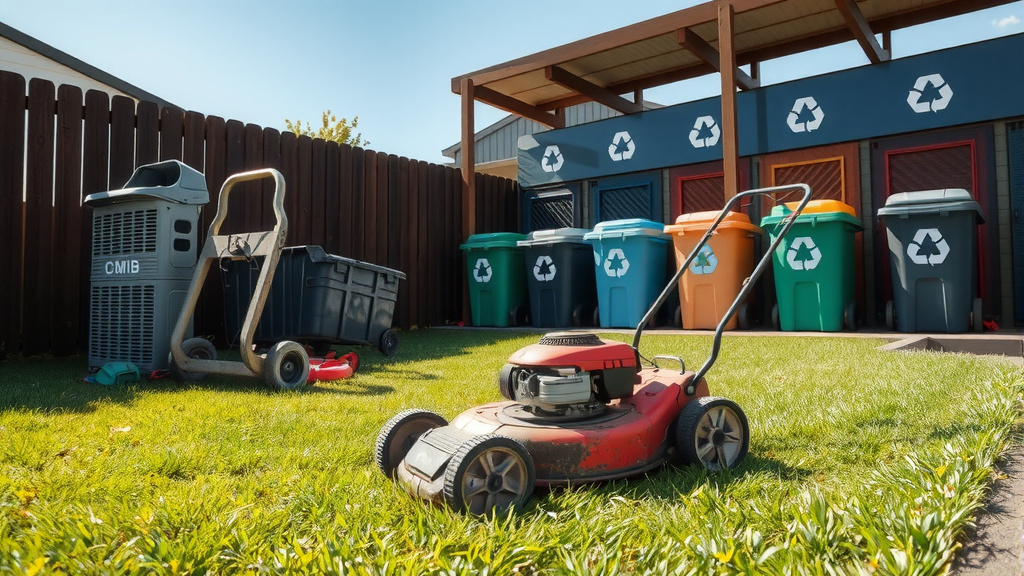
To throw away an old lawn mower properly, first drain all fuel and oil completely. Then, contact your local waste management services or a recycling center to arrange for a bulk item pickup or drop-off, as most mowers contain recyclable metals and hazardous fluids.
Many local authorities and specialized recycling facilities are equipped to handle the safe disposal of your old lawn mower, often separating components for recycling and ensuring hazardous materials are managed responsibly.
Here’s a quick guide to getting rid of your old lawn mower without a fuss:
- Drain all fluids (fuel, oil) first. It’s a must.
- Check your local recycling options; they often take old appliances.
- Consider donating if it still has some life left.
- Scrap metal yards are a great choice for parts.
- Don’t just leave it at the curb without checking rules.
How To Throw Away Old Lawn Mower?
Properly throwing away an old lawn mower involves more than just tossing it out. You need to manage hazardous fluids and ensure components are recycled correctly. We found that most communities have specific guidelines for these items.
Understanding Your Old Mower’s Last Journey
When your trusty lawn mower finally calls it quits, you might wonder what’s next. It’s not like throwing out an old T-shirt, is it? We found that handling an old mower needs a bit more thought due to its parts.
Think about it: an old mower contains metal, plastic, and, importantly, hazardous fluids like fuel and oil. Improper disposal can harm our environment. Many experts say taking a moment to plan its farewell is a good step.
Safety First: Draining Fluids
Before moving your mower anywhere, you must drain all liquids. This is a critical safety step. Fuel and oil are flammable and pollutants.
Use appropriate containers to collect the old fuel and oil. You wouldn’t want those chemicals seeping into your backyard, right? Research often connects improper fluid disposal with soil and water contamination (Environmental Protection Agency).
Once drained, these fluids need separate disposal. Many auto parts stores or municipal hazardous waste sites accept them. Give them a quick call to confirm.
Local Recycling Centers: Your Best Bet
For most people, a local recycling center is the simplest answer. These facilities are set up to handle appliances with various components. They know how to separate the good from the bad.
A quick online search for “appliance recycling near me” often points you in the right direction. Many centers process old lawn mowers, ensuring the metal is recycled. They typically require fluids to be drained beforehand, as we found in our research.
Scrap Metal Yards for Parts
If your mower is primarily metal, a scrap metal yard might be an option. They buy metal by weight. This can sometimes even put a few dollars back in your pocket.
These yards are great for separating usable metals from other materials. It’s a specialized recycling process. Just make sure the mower is fully drained first. They won’t take anything with fuel or oil still in it.
Curbside Pickup: Is It An Option?
Some municipalities offer special bulk item pickup days. It’s worth checking with your local waste management service. Rules vary greatly from town to town.
You might need to schedule a pickup in advance. Sometimes, there’s a small fee involved. Always confirm their specific requirements for lawn mowers, especially regarding fluid drainage. Many guidelines point to proper fluid removal as a key first step (Public Works Department).
Donation and Resale: Giving it a New Life
Is your old mower just a little broken, or still sputtering along? It might have more life to give! Consider donating it to a local charity or a vocational school.
They might be able to repair it or use it for parts. Some community gardens might even take a slightly used mower. We found that giving away items saves resources and helps others.
If it’s still working, even with a few quirks, try selling it. Online marketplaces or local ads can connect you with someone who needs a cheap mower. One person’s old is another person’s perfectly good start.
When is a Mower Truly “Done”?
Think of it like an old car: when the repair costs start to outweigh its value, it’s time. If it needs constant fixing and isn’t running safely, it’s probably time to retire it. Don’t throw good money after bad, as the saying goes.
Dealing with Batteries: A Separate Task
If you have a battery-powered lawn mower, the battery needs special attention. Lithium-ion batteries, common in newer electric models, are highly recyclable but require specific drop-off points. They cannot go into regular trash.
Lead-acid batteries, found in riding mowers, also need separate recycling. Many auto parts stores accept them. We found that proper battery recycling prevents harmful chemicals from entering landfills (Call2Recycle).
Dismantling Your Mower: DIY Option?
For the handy person, dismantling the mower yourself is an option. This lets you separate different materials for recycling. Metal, plastic, and engine parts can all go to different places.
However, this takes time and proper tools. Always wear safety gear, like gloves and eye protection. Blades are sharp, even on a dead mower! Be careful when handling engine components.
Here’s a checklist if you plan to dismantle:
- Drain all fuel and oil.
- Disconnect spark plug wire for safety.
- Remove the battery, if present.
- Detach the blade (carefully!).
- Separate plastic parts from metal.
- Sort engine block and other components.
Identifying Hazardous Components
Beyond fuel and oil, some older mowers might contain other hazardous materials. This could include mercury switches or certain types of plastics. If you’re unsure, it’s always best to let a professional recycling center handle it. They are equipped to identify and manage these components.
Cost Considerations for Disposal
Disposing of your old mower can sometimes come with a small cost. Some recycling centers charge a fee, especially for large items. Others might offer free drop-off services.
Curbside bulk pickups often have a fee, too. On the other hand, selling usable parts or the whole mower (if working) can sometimes earn you a little cash. It’s all about finding the right balance for your situation.
| Disposal Method | Typical Cost | Key Requirement |
|---|---|---|
| Local Recycling Center | Low to Free | Fluids Drained |
| Scrap Metal Yard | Potential small earning | Fluids Drained, mostly metal |
| Curbside Bulk Pickup | Low to Moderate Fee | Check local rules, drain fluids |
| Donation/Resale | Free, potential earning | Working condition (or repairable) |
| Hazardous Waste Facility | Free for fluids/batteries | Fluids/batteries only |
The Environmental Impact of Improper Disposal
We’ve talked a lot about draining fluids. Why is it such a big deal? Oil and gasoline are toxic. If they leak into the ground, they can contaminate soil and groundwater. This affects plants, wildlife, and even our drinking water supplies.
Metals from mowers can be recycled and reused. This saves energy and natural resources. When we recycle, we reduce the need to mine new materials. This helps lessen our collective environmental footprint. We found that responsible disposal practices support a healthier planet.
Conclusion
Throwing away an old lawn mower isn’t just about getting rid of clutter. It’s about making a responsible choice for our environment and community. By draining fluids, checking local recycling options, or even giving it a second life, you’re doing your part. It’s a simple process once you know the steps, and it makes a real difference. Your old mower can find a new purpose, or at least a safe resting place, without harming our natural world. We care about helping you make smart, sustainable choices for your lawn care journey, from start to finish.
What should I do with the old gasoline from my mower?
You should never pour old gasoline down a drain or onto the ground. Instead, take it to a local household hazardous waste facility or an auto parts store that accepts used oil and fuel. Many places have designated drop-off points for these materials.
Can I put my old lawn mower in my regular trash bin?
No, you generally cannot put an old lawn mower in your regular household trash bin. Mowers contain metal, plastic, and residual hazardous fluids. Most waste services classify them as bulky waste or require special disposal due to these components.
Are there any organizations that accept old lawn mowers as donations?
Yes, some charities, vocational schools, or community garden projects may accept old lawn mowers, especially if they are still in working order or repairable. It’s best to call local organizations directly to inquire about their specific donation policies.
Do I need to remove the engine before taking my mower to a scrap yard?
You do not necessarily need to remove the engine, but you absolutely must drain all fuel and oil from the engine and gas tank before taking it to a scrap yard. Scrap yards typically have strict policies against accepting items with flammable or polluting fluids.
What if my old lawn mower is too heavy for me to move myself?
If your old lawn mower is too heavy, consider hiring a junk removal service. Many local services specialize in picking up bulky items. Alternatively, check if your municipal waste collection offers a bulk item pickup service for a fee, which often includes assistance with heavy lifting.
