
How To Throw Out A Lawn Mower?
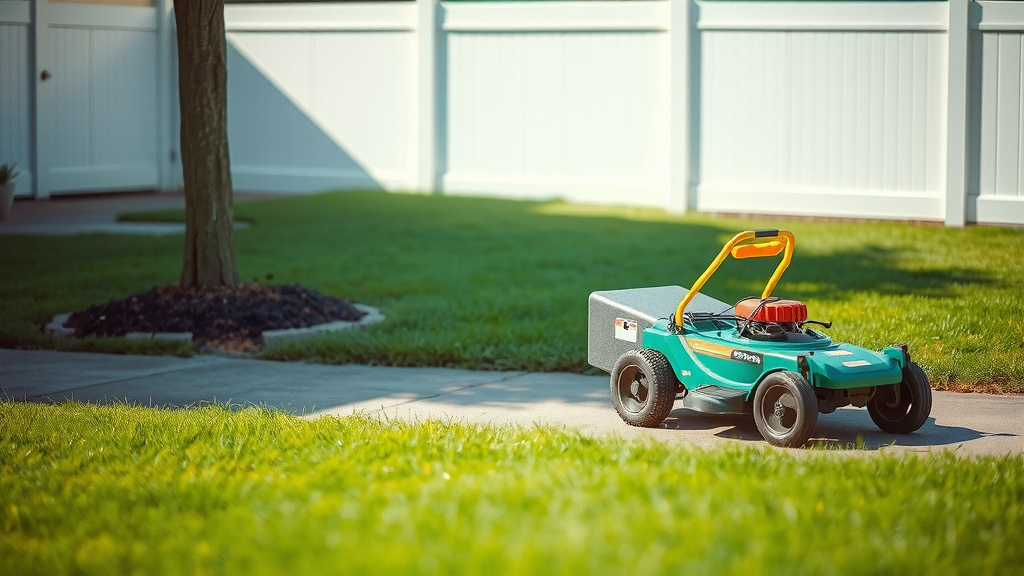
To properly throw out a lawn mower, you must drain all fuel and oil, remove the battery (if electric), and then contact your local waste management or recycling center for their specific hazardous waste disposal guidelines. They often offer special collection days or designated drop-off points for old power equipment like your lawn mower.
Always prioritize environmental safety by preventing hazardous fluids from contaminating soil or water when disposing of your old lawn mower.
-
Draining all fuel and oil is the first and most critical step for safe disposal.
-
Your local waste management authority provides specific instructions for hazardous materials.
-
Many areas have special collection events or recycling facilities for old lawn equipment.
-
Consider donating or selling a working mower to give it a second life and avoid disposal.
-
Never place a lawn mower with fluids still inside on the curb for regular trash pickup.
How To Throw Out A Lawn Mower?
Throwing out an old lawn mower requires a bit more thought than just tossing it on the curb. You need to handle hazardous fluids and parts responsibly to keep our environment clean.
Preparing Your Lawn Mower for Disposal
Before you even think about moving your mower, some crucial preparation steps are needed. This keeps everyone safe and protects our planet from pollution.
Draining the Fuel and Oil
This is perhaps the most important step. Fuel and oil are hazardous materials that can harm the environment if not handled correctly. Many experts say to drain these fluids completely (EPA guidelines).
Think of it like preparing to move a car without a driver. You would never leave the engine running, would you? We found that pouring old fluids into approved containers and taking them to a local auto parts store or recycling center is best.
Removing the Battery (Electric Mowers)
For electric or battery-powered mowers, the battery needs to be removed. These batteries often contain chemicals that require special recycling processes. Check the manufacturer’s instructions for safe removal.
Just like your old phone battery, these can’t go in regular trash. Many electronics stores offer battery recycling services.
Cleaning the Mower
Give your mower a good clean before disposal. Remove any grass clippings, dirt, and debris. This makes it more appealing for recycling or donation. It also helps prevent the spread of weeds.
A clean mower is a happy mower, even if it’s on its way out! A little effort here goes a long way.
Understanding Your Local Disposal Options
Disposal rules change a lot depending on where you live. What’s okay in one town might be strictly forbidden in another. Always check with your local authorities first.
It’s like traffic laws; they vary from state to state. Knowing your local rules saves you time and potential fines.
Checking with Waste Management Services
Your local waste management or public works department is your best resource. We found that most cities and counties have websites detailing how to dispose of appliances and hazardous waste.
They might offer special collection days for bulky items. Or, they may direct you to a designated drop-off facility. Just give them a quick call or visit their website.
Local Recycling Centers
Many recycling centers accept metal items and old power equipment. Even if your mower is not working, its metal components can often be recycled. This is a great way to reduce waste.
It’s like giving your old cans a new life as a bicycle frame. Metal is highly recyclable, after all.
Hazardous Waste Collection Events
Some communities host specific hazardous waste collection events. These events are perfect for items like old lawn mowers, paints, and chemicals. They ensure these materials are handled safely.
Keep an eye on your community calendar for these special days. They are a convenient way to get rid of tricky items.
Alternative Ways to Get Rid of an Old Mower
Disposal isn’t always the only option. Sometimes, your old mower still has some life left, or value. Consider these alternatives before sending it to the great lawn in the sky.
Donating a Working Mower
Does your mower still run, even if it’s not perfect for your needs? Consider donating it to a local charity, school, or community garden. They might appreciate a functional machine.
One person’s old mower could be another’s lawn care solution. It’s a wonderful way to help out!
Selling for Parts or Repair
Even a broken mower might have valuable parts. Someone might need a specific engine component, wheels, or deck for their own repairs. Try listing it online or asking local repair shops.
Think of it as an organ donor for other mowers. You’d be surprised what people are looking for!
Scrap Metal Dealers
If your mower is truly beyond repair, a scrap metal dealer might take it. They will pay you a small amount for the metal. Remember to remove non-metal parts first, like plastic handles or tires.
It’s not going to make you rich, but it’s better than nothing, right?
Safety Precautions During Mower Handling
Whenever you handle machinery, safety should always be your priority. Old mowers can still pose risks, even when they are not running.
- Wear sturdy gloves to protect your hands from sharp edges or grease.
- Use proper lifting techniques; mowers can be heavy.
- Keep children and pets away from the area during handling.
- Work in a well-ventilated area when draining fluids.
- Secure the mower during transport to prevent shifting.
A Quick Checklist Before Disposal
Here’s a simple checklist to ensure you’ve covered all your bases before you throw out a lawn mower:
- Did I drain all fuel and oil?
- Is the battery removed (if applicable)?
- Is the mower clean of grass and dirt?
- Have I checked local waste management rules?
- Have I explored donation or selling options?
- Do I have a safe transport plan?
Comparing Disposal Options
Let’s look at the different ways you can dispose of your lawn mower and what each entails. This table might help you decide the best path forward.
| Option | Pros | Cons |
|---|---|---|
| Local Waste Management | Convenient, follows local rules, often free | Requires transport, specific collection days |
| Recycling Center | Environmentally friendly, reduces landfill waste | May require fluid drainage first, transport needed |
| Donation/Sale | Extends mower life, helps others, potential income | Mower must be working or have useful parts |
| Scrap Metal Dealer | Small payout, ensures metal recycling | Must separate non-metal parts, small return |
Conclusion
Saying goodbye to an old lawn mower doesn’t have to be a chore. With a little planning and care, you can ensure it’s disposed of responsibly. Always remember to prioritize safety and environmental protection. Whether you recycle, donate, or use a local waste service, your actions make a positive difference. We found that proper disposal benefits everyone, keeping our neighborhoods and planet cleaner.
What should I do with the old gasoline from my lawn mower?
Old gasoline needs to be disposed of as household hazardous waste. Do not pour it down drains or onto the ground. Instead, transfer it to an approved container and take it to your local hazardous waste collection site or an auto repair shop that accepts waste fluids.
Can I put my broken lawn mower out with regular trash?
Generally, no. Lawn mowers, especially those with remaining fuel or oil, are considered hazardous waste or bulky items. Most regular trash services will not pick them up. Always check with your local waste management services for specific guidelines.
Are there any organizations that pick up old lawn mowers?
Some local charities or community organizations might pick up working lawn mowers if they can use them. For broken mowers, scrap metal dealers occasionally offer pickup services, but this varies greatly by location and the mower’s condition.
Is it better to recycle a lawn mower or donate it?
If your lawn mower is in good working condition, donating it is often the most impactful option, as it gives the machine a second life. If it’s completely broken or beyond repair, recycling it for its metal components is the best choice to prevent landfill waste.
How do I find a hazardous waste collection site near me?
Your city or county waste management website is the best place to find information on local hazardous waste collection sites or events. Many state environmental protection agencies also provide online tools to locate these facilities in your area.
