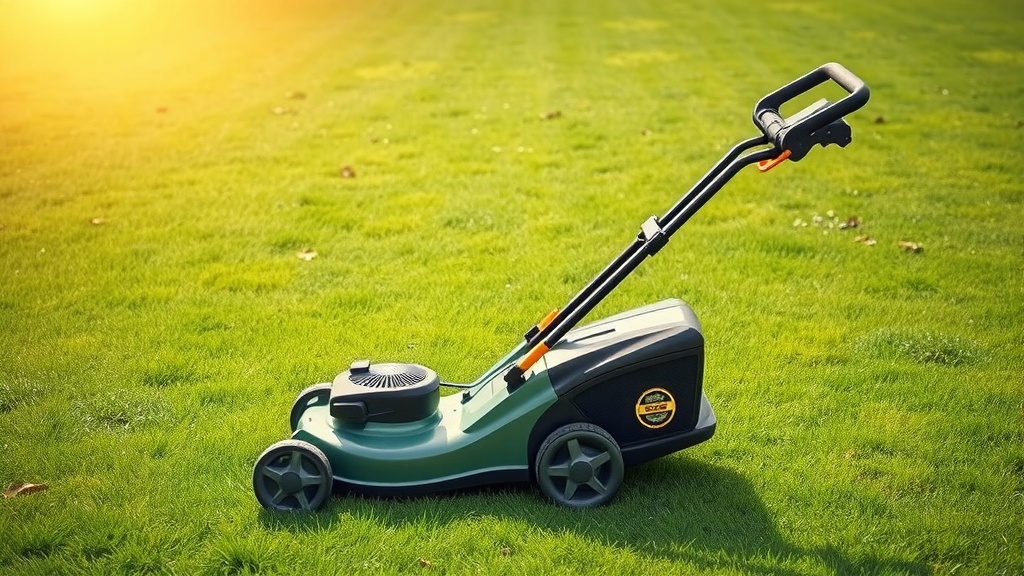
How To Turn A Lawn Mower Around?
On this page (4 sections)
To turn a lawn mower around safely, always slow down, disengage the blades if possible, and plan your path. For push mowers, lift the front wheels slightly and pivot on the rear wheels.
With a riding mower, ease off the accelerator, make a wide, sweeping turn, or execute a careful three-point turn in confined areas, keeping safety as your top priority.
Here’s a quick summary of how to effectively turn your lawn mower:
- Clear Your Path: Always remove obstacles before you begin.
- Slow Down: Reduce speed significantly for better control.
- Disengage Blades: If your mower allows, disengage blades during turns.
- Push Mowers: Slightly lift front wheels and pivot on the back.
- Riding Mowers: Use wide, gradual turns or a deliberate three-point turn.
Ever found yourself at the end of a lawn strip, wondering how to elegantly guide your mower back for the next pass? You’re not alone! Turning a lawn mower might seem simple, but doing it correctly makes a big difference. It affects your lawn’s health, your efficiency, and most importantly, your safety. Let’s explore how to master this essential lawn care move.
How To Turn A Lawn Mower Around?
Turning a lawn mower involves carefully maneuvering your machine to change direction while maintaining control. The best method depends heavily on your specific mower type and the mowing area.
Why Proper Mower Turning Matters
You might think a turn is just a turn. However, the way you maneuver your mower has real consequences. A proper turn helps maintain a healthy lawn and ensures your safety.
For instance, rough turns can scalp your grass. This happens when the mower digs into the turf. Scalping leaves unsightly bare patches and can invite weeds (Ohio State University Extension). Careful turning also saves you time and effort.
Understanding Your Mower Type
Before turning, consider what kind of mower you have. Are you wrestling with a push mower? Or are you comfortably cruising on a riding mower? Each type requires a slightly different approach for safe and effective turns.
We found that understanding your mower’s mechanics is key. A lightweight push mower offers more agility, while a heavier riding mower needs more planning. Knowing your machine helps you anticipate its movements.
Turning a Push Mower Safely
Push mowers are common and relatively easy to turn. The trick is to lighten the load and pivot. You don’t want to drag the blades through the grass. Dragging can tear up your lawn, causing damage.
Many experts say to pause briefly at the end of each strip. This allows you to reset and prepare for the turn. Think of it like a dance; you want smooth, controlled steps.
Here’s a simple checklist for turning your push mower:
- Clear Obstacles: Make sure your turning path is free.
- Slow Your Pace: Approach the turn slowly, don’t rush.
- Lift Front Wheels: Gently press down on the handle to raise the front.
- Pivot on Rear Wheels: Turn the mower around the rear wheels.
- Lower Gently: Once facing the new direction, carefully lower the front.
- Resume Mowing: Start moving forward and engage the blades if you disengaged them.
Mastering Turns with a Riding Mower
Riding mowers, including zero-turns, offer a different experience. They are heavier and typically cover more ground. Therefore, turning them requires a bit more foresight and space.
We found that wide, sweeping turns are often best. This prevents tire marks and stress on your lawn. However, sometimes you need a tighter maneuver.
For those tighter spots, a three-point turn is your friend. It’s similar to how you’d turn a car in a narrow street. You pull forward, back up, then pull forward again. This method minimizes turf damage.
Zero-turn mowers are unique, as their name suggests. They can literally turn on a dime. While amazing, you still need to be careful. Rapid pivots can tear up the grass, especially on wet lawns (Toro research shows proper technique prevents scalping).
Essential Pre-Turn Checklist
Before you even begin to turn, a quick check can prevent accidents and frustration. Think of it as your flight pre-check before takeoff.
Many lawn care professionals emphasize preparation. A well-prepared turn is a safe turn. It ensures you have the necessary space and control.
Here’s a brief checklist:
- Is the area clear of debris, rocks, or toys?
- Are bystanders (especially children and pets) at a safe distance?
- Is your mower in good working condition, especially the steering?
- Do you have a clear understanding of your intended turning path?
- Are you wearing appropriate safety gear, like sturdy shoes?
Turning On Slopes: A Critical Note
Turning on a slope demands extra caution. Gravity is not your friend here. A wrong move can cause your mower to tip or roll, which is incredibly dangerous.
Many safety guidelines, including those from the Outdoor Power Equipment Institute (OPEI), advise against turning on steep slopes. Instead, mow up and down the slope. If you must turn, do it on the flatter parts.
Always move slowly and deliberately on any incline. If you feel uneasy, it’s better to step off (for push mowers) or dismount (for riding mowers) and reposition the machine. Your safety is worth more than a perfectly straight line.
Avoiding Common Turning Blunders
Even experienced lawn care enthusiasts can make mistakes. Recognizing these common errors can help you avoid them. One frequent mistake is turning too fast. Speed reduces control.
Another common blunder is turning with the blades fully engaged on a push mower. This creates unnecessary drag and can damage your lawn. Many sources agree that briefly disengaging or lifting the blades is wise (Lawn Care Academy).
Finally, avoid turning in the exact same spot repeatedly. This creates compacted soil and bare patches. Vary your turning locations slightly to spread out the impact.
Techniques for Tight Spots
Sometimes your lawn has tricky corners, flower beds, or narrow paths. These demand a more precise turning strategy. For push mowers, consider lifting the front wheels and then slowly walking the back wheels around. It’s almost like a tiny shuffle dance.
For riding mowers in tight spots, the three-point turn is usually your best bet. If you have a zero-turn, use its unique ability to pivot, but do so gently. A quick, aggressive pivot in a tight area can still tear up the grass. Think of finesse over brute force.
| Turning Scenario | Push Mower Approach | Riding Mower Approach |
|---|---|---|
| Open Field | Lift front, pivot rear | Wide, sweeping turn |
| Tight Corner | Small lift, careful pivot | Slow three-point turn |
| Near Obstacles | Manual reposition | Slow approach, wide berth |
| On a Slope | Avoid turning; mow up/down | Avoid turning; mow up/down |
Practice Makes Perfect
Like anything in lawn care, practice improves your technique. Don’t expect perfection on your first try. Each lawn, and even different sections of your own lawn, might present unique turning challenges.
Start with easier areas. Build confidence as you go. Soon, turning your lawn mower will become second nature. You’ll be navigating those edges and corners like a pro, leaving a perfectly manicured lawn in your wake.
Conclusion
Turning a lawn mower effectively isn’t just about getting to the next row. It’s about respecting your lawn, ensuring your safety, and making your mowing routine smoother. By understanding your mower, planning your turns, and practicing careful techniques, you can achieve a beautifully cut lawn without stress. Remember to always prioritize safety, especially around slopes or obstacles. Happy mowing!
What is the best way to turn a riding mower on a small lawn?
For a small lawn with a riding mower, a gentle three-point turn is usually the most effective method. This involves driving forward a short distance, backing up, and then driving forward again in your new direction. It minimizes turf damage and is safer than aggressive pivots.
Should I lift the front of my push mower every time I turn?
Yes, lifting the front wheels of your push mower slightly is recommended for most turns. This prevents the mower deck from digging into the grass and scalping your lawn. It also makes pivoting much easier and reduces stress on both you and the machine.
How do I avoid leaving tire marks when turning a riding mower?
To avoid tire marks, make wide, gradual turns at a reduced speed. Avoid sharp, aggressive turns, especially with zero-turn mowers, as these can scuff the turf. Turning on dry grass also helps, as wet grass is more susceptible to marking.
Is it safe to turn a lawn mower on a steep hill?
No, it is generally unsafe to turn a lawn mower on a steep hill. The risk of tipping or losing control is significantly higher. Instead, you should always mow up and down the slope. If you must change direction, do so only on the flattest parts of the hill or at the top/bottom.
Can improper turning damage my lawn mower?
Yes, improper turning can definitely cause wear and tear on your mower. Aggressive turns, especially with riding mowers, can strain the steering components and tires. For push mowers, repeatedly dragging the deck can bend or damage the blade housing over time. Smooth, controlled turns help prolong your mower’s life.