
How to Winterize a Lawn Mower?
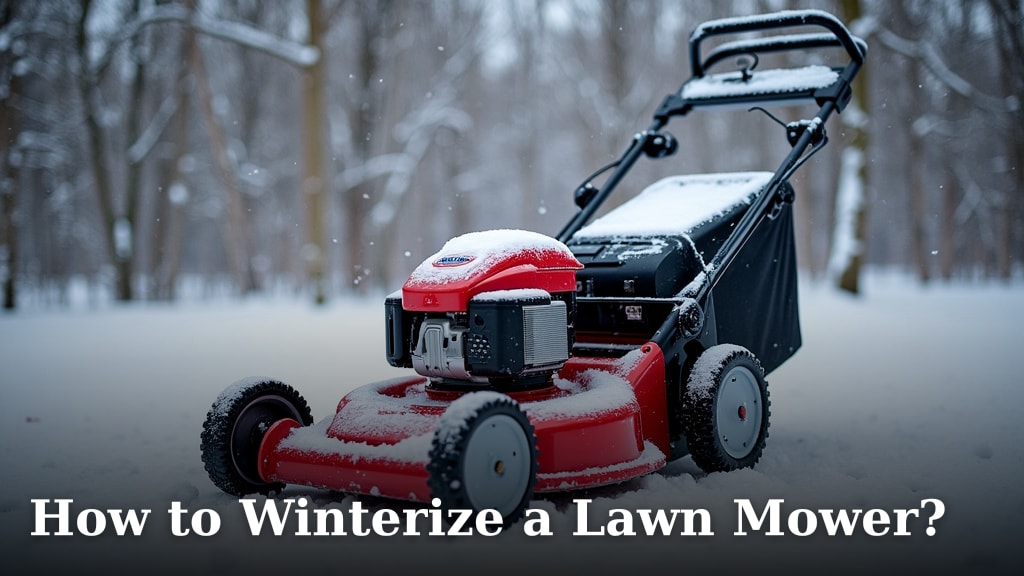
To winterize a lawn mower, you mainly need to prepare its fuel system, clean the deck, and tend to the engine. This makes sure your mower is ready to go come spring, avoiding frustrating breakdowns and repair costs. You’ll thank yourself later!
Stopping rust and preventing stale fuel from gumming up the engine are key steps for proper storage. Taking a little time now saves you a lot of hassle later. Think of it as a small investment for big future savings and less stress.
- Drain or stabilize the fuel.
- Change the oil.
- Clean or replace the spark plug.
- Clean the mower deck.
- Remove the battery (if applicable).
Are you ready to give your trusty lawn mower the care it needs before the cold sets in? Let’s walk through the simple steps you can take to protect your equipment all winter long.
Prepping Your Mower for Winter Storage
Safely storing your lawn mower is simple and helps it last longer. You’ll want to take a few key steps before the cold weather really hits. Most of these steps prevent rust, keep parts moving freely, and stop fuel problems.
Addressing the Fuel System
This is arguably the most important step for gasoline mowers. Old fuel can cause big problems. We found that stale gasoline turns gummy and clogs small engine parts over time (Briggs & Stratton).
Draining the Fuel Tank
One common method is to drain all the fuel. Run your mower until it sputters and dies, emptying the tank and carburetor. This ensures no old fuel is left to cause issues. You can use a siphon pump for this or simply run until empty.
Using a Fuel Stabilizer
If you prefer not to drain, use a fuel stabilizer product. Add it to a full tank of fresh gas, then run the mower for about 10-15 minutes. This circulates the stabilized fuel through the engine. It stops the gas from degrading and forming varnish within the fuel lines and carburetor.
Changing the Oil
Just like your car, a mower’s oil gets dirty. Dirty oil can hold acids that might harm engine components during storage. Changing it now means it sits with clean, fresh oil all winter.
- Warm up the engine for a few minutes; this helps the oil drain better.
- Place a drain pan under the drain plug (check your manual for location).
- Remove the plug and let all the old oil drain out.
- Replace the plug and fill with the correct type and amount of new oil.
Servicing the Spark Plug
A healthy spark plug is vital for starting the mower next spring. Over time, carbon builds up, making it less efficient. It’s a small part, but it does a big job.
Inspecting the Plug
First, remove the spark plug wire for safety. Then, use a spark plug wrench to carefully take out the plug. Look at the tip: is it black and sooty, or light brown? A light brown tip is good. A black, oily, or very corroded one means it’s time for a change.
Cleaning or Replacing
If the plug looks okay, you can gently clean carbon deposits with a wire brush. Double-check the gap with a feeler gauge, adjusting if needed. If it’s heavily fouled or old, replace it with a new one. Remember to hand-tighten first, then use the wrench for a final snug turn.
Tending to the Mower Deck and Blades
A clean deck and sharp blades make all the difference when you start mowing again. Don’t underestimate this step; it impacts your lawn’s health and your mower’s efficiency.
Cleaning Under the Deck
Grass clippings and debris can stick to the underside of your mower deck. This holds moisture, leading to rust. It also makes your mower work harder and can even throw off its balance. Turn the mower on its side (carburetor-side up to prevent oil/fuel leaks) and use a stiff brush or scraper to remove all the caked-on grass and dirt. Some people even hose it down; just make sure it dries completely to prevent rust.
Inspecting and Sharpening Blades
Sharp blades cut grass cleanly, preventing tearing and disease in your lawn. Dull blades rip the grass, leaving jagged ends. This is a good time to remove and inspect your blades. Look for bends, nicks, or excessive wear. If they’re just dull, you can sharpen them with a file or grinder. If they’re damaged, replace them. Remember to ensure they are balanced after sharpening to avoid vibrations.
Battery Care and Storage
For electric-start mowers, the battery needs special attention. Cold weather drains batteries quickly and can damage them permanently. You want your battery to be ready for action when spring finally arrives.
Removing and Storing the Battery
If your mower has a removable battery, take it out. Clean any corrosion from the terminals with a wire brush. Store it in a cool, dry place away from concrete floors, like on a shelf in your garage. Many experts suggest connecting it to a “trickle charger” or “battery tender” that maintains a charge without overcharging (Consumer Reports).
Charging Considerations
Even if you don’t use a trickle charger, plan to recharge the battery periodically throughout the winter, perhaps once a month. This stops it from completely losing its charge. A fully discharged battery can freeze and be ruined.
Final Winterization Steps
Almost there! A few more quick checks and your mower will be perfectly tucked away for its long winter nap. These steps are about preventing future issues and making spring startup a breeze.
Lubricating Moving Parts
Find all moving cables, hinges, and pivot points. Apply a few drops of light oil or a spray lubricant. This includes throttle cables, wheel height adjusters, and any other parts that move or pivot. This prevents rust and keeps everything operating smoothly come spring.
Cleaning and Protecting the Exterior
Give your mower a good wash down. Use a hose and mild detergent. Once clean, wax the exterior metal parts. This adds a layer of protection against rust and corrosion. You’re giving it a little pampering!
Tire Pressure Check
While you’re at it, check the tire pressure on ride-on mowers. Inflate them to the recommended PSI. Proper tire pressure helps prevent flat spots during long storage periods. It also means they’ll be ready to roll immediately next season.
Winterization Checklist
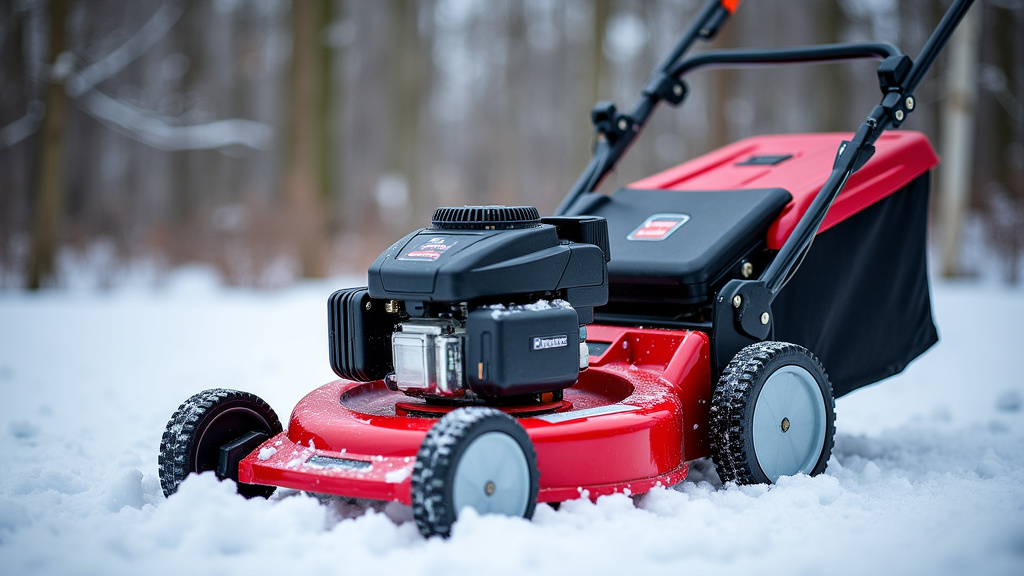
To make sure you haven’t missed a single step, here’s a handy checklist. Go through each item and mark it off as you complete it!
- Drain or stabilize fuel in the tank.
- Change the engine oil.
- Inspect, clean, or replace the spark plug.
- Scrape and clean under the mower deck.
- Sharpen or replace mower blades.
- Remove and store battery (if applicable).
- Lubricate all moving parts.
- Clean and protect the mower’s exterior.
Small Engine Storage Comparison
Different types of mowers might need slightly different storage practices. Here’s a quick comparison to help you understand the nuances.
| Mower Type | Fuel System | Battery Care | Blade Access |
|---|---|---|---|
| Gas Push Mower | Drain or stabilize fuel. | Generally no battery. | Easy access under deck. |
| Gas Riding Mower | Drain or stabilize fuel, larger tank. | Remove, trickle charge. | May require special access or ramps. |
| Electric Corded Mower | No fuel system. | No battery. | Easy access under deck. |
| Electric Battery Mower | No fuel system. | Remove, store indoors. | Easy access under deck. |
As you can see, gasoline mowers require more attention to the fuel system than electric ones. However, battery care is important for all battery-powered units. You’re doing a great job caring for your equipment!
Conclusion
By taking these simple steps to winterize your lawn mower, you’re not just putting it away; you’re actively protecting your investment. You’ll prevent rust, avoid frustrating fuel issues, and ensure every part is ready for action next spring. This small effort now means a smoother, less stressful start to your mowing season. So, go ahead and give your mower the care it deserves!
Frequently Asked Questions
What happens if I don’t winterize my lawn mower?
If you skip winterizing, you risk costly repairs and frustrating breakdowns next spring. Old fuel can gum up the engine, moisture can cause rust, and an uncharged battery might fail. It shortens your mower’s lifespan.
Can I use car motor oil instead of small engine oil for my mower?
While some car oils are similar, it’s best to use oil specifically designed for small engines or recommended by your mower’s manufacturer. Small engines operate differently and have unique lubrication needs. Always check your owner’s manual for the correct oil type.
How long can fuel stabilizer keep gas fresh in my mower?
Most fuel stabilizers are effective for up to 12 months when mixed correctly with fresh gasoline. This means your mower’s fuel system can safely sit over the winter without degrading. Always follow the product instructions for the best results.
Is it really necessary to remove the spark plug for winter storage?
You don’t always need to remove it, but inspecting and potentially cleaning or replacing the spark plug is a smart step. It ensures good ignition when you restart next spring. It also lets you check for engine health, as the plug’s appearance can tell a story.
My mower has an electric start but no removable battery. What should I do?
If the battery isn’t easily removable, keep the mower in a relatively temperate storage area. You can still use a battery tender or trickle charger if it has accessible terminals. This periodically charges it without overcharging, keeping it healthy all winter.
