Is A Lawn Mower A Good Or Service?
On this page (5 sections)
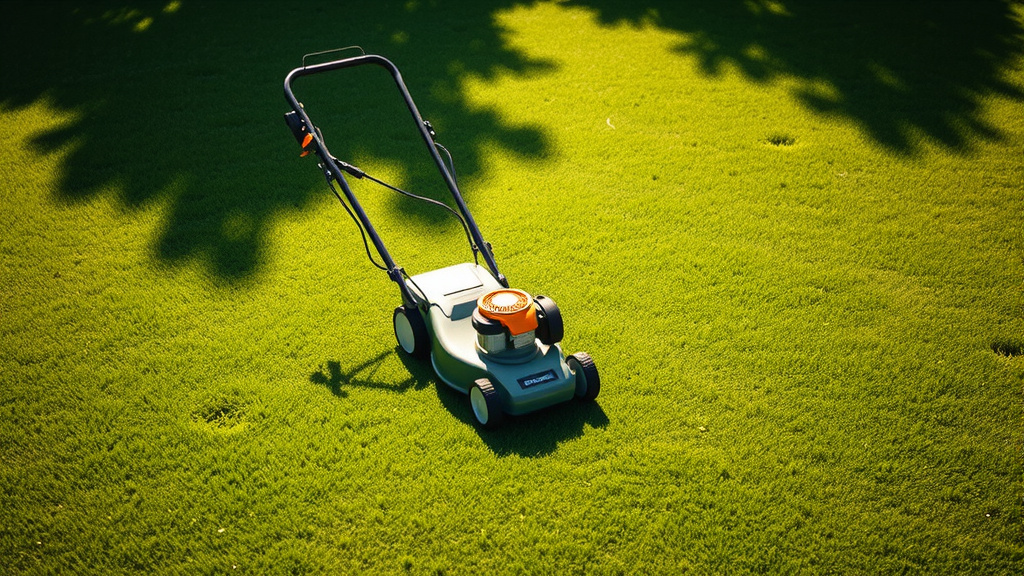
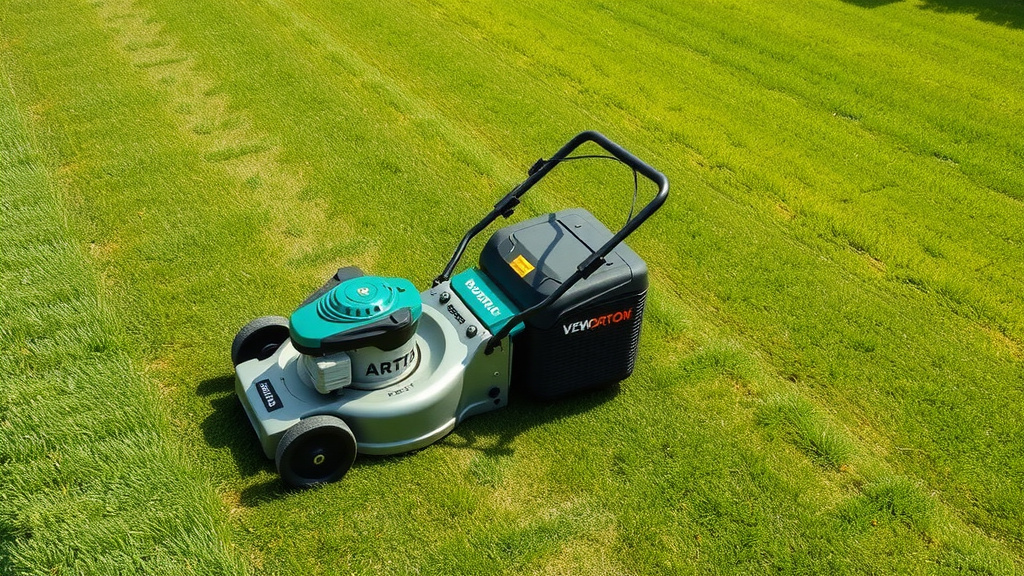
A lawn mower is a good, specifically a tangible consumer good, that you purchase and own. It’s a physical product designed for a specific purpose: to cut grass.
While a lawn mower performs the service of cutting grass, the mower itself is not a service; it’s the tool enabling that service.
- A lawn mower is a physical product you buy – that makes it a good.
- You own the mower, use it, and keep it for future lawn care needs.
- Lawn mowing itself can be a service if someone else does it for you.
- Think of it this way: the tool is the good, the action performed is the service.
- Understanding this helps clarify economic distinctions for consumers and businesses.
Is A Lawn Mower A Good Or Service?
A lawn mower falls squarely into the category of a good. It’s a physical item you can touch, see, and own.
You buy it from a store, take it home, and it becomes your property for your lawn care tasks.
Defining “Goods” in the Real World
Think about things you own, like your car, your phone, or a bag of groceries. These are all examples of goods.
Goods are tangible items produced to satisfy needs or wants. You can physically hold them and they have a useful life (U.S. Bureau of Economic Analysis).
Understanding “Services” and Their Nature
Now, consider a haircut, a car wash, or a doctor’s visit. These are all services.
Services are actions or activities performed for you by others. They are intangible; you cannot hold them, and they are consumed at the moment they are produced.
The “Good” of Owning a Mower
When you purchase a lawn mower, you acquire a durable good.
This means it’s built to last for many years and many uses, unlike something consumable like a loaf of bread. You become its owner.
The “Service” of Mowing Your Lawn
Using your lawn mower to cut your grass, however, is an action. You are performing the service of lawn care for yourself.
It’s your labor, time, and effort applied using your purchased good to achieve a clean lawn.
Why Does This Distinction Matter?
You might wonder, why bother with these economic labels? It helps us understand our economy better.
The distinction between goods and services guides how businesses operate and how governments measure economic growth (National Bureau of Economic Research).
For Your Budget and Buying Decisions
Knowing this helps you budget. Buying a mower is a capital expense for your household.
Hiring someone to mow your lawn, conversely, is an ongoing operating expense for a service. You may also wonder whether to tip a lawn mowing service.
For Businesses and Economic Insights
Manufacturers produce goods, while lawn care companies offer services. Each operates with different business models.
Economists track the sales of goods versus services to gauge the health and direction of consumer spending.
When Does a Mower Act Like a Service Provider?
Well, a mower itself never “acts” as a service provider. It’s an inanimate object, a tool.
However, the act of operating a mower can be part of a service. Are you ready for a little riddle?
Hiring a Professional Lawn Care Company
When you hire a professional lawn care company, you are paying for a service.
They bring their own mowers (their goods) and their labor to maintain your yard. You don’t own their mower.
What You’re Paying For
You’re paying for their expertise, their equipment’s use, and their time. It’s an all-in-one package deal.
This package is distinctly a service, even though it involves the use of goods like mowers, trimmers, and blowers.
The “DIY” Service You Provide
When you push your own mower, you are essentially providing a service to yourself.
You are using your own good to achieve a desired outcome without paying someone else for the labor.
Your Time is the “Payment”
Instead of money, your “payment” for this service is your time and effort. It’s a personal investment in your home’s appearance.
Many people find satisfaction in this DIY approach, saving money while getting exercise and outdoor time.
Goods vs. Services: A Quick Comparison
Let’s put it simply to see the main differences side-by-side. This helps clarify the concept easily.
| Feature | Goods (e.g., Lawn Mower) | Services (e.g., Lawn Mowing) |
|---|---|---|
| Tangibility | Physical, can be touched | Intangible, an action or experience |
| Ownership | Can be owned and stored | Cannot be owned; consumed as performed |
| Production & Consumption | Can be produced and stored before consumption | Produced and consumed simultaneously |
| Durability | Can be durable (lasts over time) | Perishable (cannot be stored or resold) |
Making Your Choice: Buy or Hire?
Deciding between buying a mower or hiring a service depends on your personal situation. What feels right for you?
Consider these points before making your decision for lawn care:
- Assess Your Time: Do you have spare hours for mowing weekly?
- Evaluate Your Budget: Can you afford a one-time mower purchase or ongoing service fees?
- Check Your Storage: Do you have space for a mower in your garage or shed?
- Consider Physical Ability: Is mowing physically comfortable for you?
- Value Convenience: How important is having someone else handle it completely?
- Look at Lawn Size: Is your lawn so large it needs professional equipment?
The Lifespan of Your Lawn Mower as a Good
A lawn mower, as a good, has a lifecycle. It’s purchased, used, maintained, and eventually replaced.
Proper care significantly extends its usefulness and the return on your initial investment.
Maintenance and Value Retention
Regular maintenance, like servicing your lawn mower, helps your mower retain its operational value.
A well-maintained good performs its function better and for a longer period, making your investment worthwhile (Consumer Reports found).
Repairing vs. Replacing
At some point, you might face a choice: repair your existing mower or buy a new one. This is a common decision point for any durable good.
We found that considering lawn mower service costs alongside repair costs and the price of a new mower helps you make a financially sound choice.
Conclusion
In essence, a lawn mower is unequivocally a good – a tangible item you purchase and own. It’s a tool, a piece of equipment.
The act of using that mower, or hiring someone else to use theirs, creates a service. This distinction is not just academic; it affects your spending, economic measurement, and even how businesses function.
Understanding these terms helps you make clearer, more informed decisions about your household budget and how you manage your outdoor spaces. So, next time you see a mower, you’ll know exactly what category it belongs to!
What is the difference between a good and a service?
A good is a tangible item you can touch, own, and store, like a lawn mower. A service is an intangible action performed for you, such as getting your hair cut or hiring a lawn mowing company.
Can a good become a service?
No, a good itself cannot become a service. However, a good can be used to perform a service. For example, a lawn mower (the good) is used to perform the service of mowing a lawn.
Is buying a lawn mower an investment?
Buying a lawn mower can be seen as an investment in maintaining your property’s appearance and value, and its tax treatment may matter if it is used for business. It’s a durable good that saves you the recurring cost of hiring a lawn care service.
Do all goods eventually break down and require replacement?
Yes, all physical goods, including lawn mowers, experience wear and tear over time. They eventually need repairs, and after extensive use, may need to be replaced, despite good maintenance.
If I borrow a friend’s lawn mower, is that a good or a service?
When you borrow a friend’s lawn mower, the mower is still a good. The act of borrowing it, or your friend allowing you to use it, is a form of shared resource use, not a direct purchase of a good or service.