How to Choose a Leaf Mulcher or Shredder
Choose a leaf mulcher or shredder by the debris you process most and how you want the finished pieces. A blower vac mulcher suits dry leaves in small yards. A dedicated shredder suits sticks and wet heavy debris.
On this page (10 sections)
- Leaf mulcher or shredder: which job do you need first?
- How do cutting mechanisms change the result?
- What debris can your machine actually handle?
- Do you need blowing, vacuuming and mulching in one tool?
- How much power do you really need?
- Bagging, collection and finished mulch size
- Weight, handling and how long you can work
- Corded, battery and gas: which power source fits?
- Set up, safety and care that keep a mulcher running
- Which leaf mulcher or shredder should you buy?
Choose a leaf mulcher or shredder by the debris you process most and how you want the finished pieces. A blower vac mulcher suits dry leaves in small yards.
A dedicated shredder suits sticks and wet heavy debris.
This guide explains cutting systems, debris compatibility, bagging and power in plain terms. It uses three real products to show how those choices play out in daily use.
You will finish with a firm rule for picking the right tool.
We compared specs and features across these models. We looked at what each maker says about power, weight and included parts.
That focus keeps this guide tied to facts you can check before you buy.
Leaf mulcher or shredder: which job do you need first?
Start with the material you will feed the machine most often. Dry leaves point to a mulcher.
Sticks and mixed debris point to a shredder.
That one choice narrows almost every other decision.
A leaf mulcher is built to reduce leaves to a fine or medium mulch. It often sits inside a blower or vacuum combo.
You blow leaves into a pile, vacuum them up and the impeller cuts them as they pass through.
A shredder is built for tougher feeding. It uses a cutting blade, hammer system or chipper style action.
It can take small branches, twigs and wet plant matter with less risk of jamming than a light blower vac.
Many buyers want both jobs in one tool. That is where a 3-in-1 blower vac earns its place.
It will not match a dedicated shredder on sticks, but it covers blowing, vacuuming and light mulching in one pass.
If your yard has mostly leaves, choose the mulcher path. If sticks fill your beds every week, choose the shredder path.
Rule: match the cutting system to your most common debris, not your hardest one-off pile.
How do cutting mechanisms change the result?
The cutting mechanism decides how fine the mulch gets and what will jam it. Impellers chop lightly.
Blades and hammers cut harder.
That trade-off shapes speed, noise and maintenance.
An impeller system pulls material through a spinning wheel. It works well for dry leaves because leaves fold and tear with little force.
BLACK+DECKER says its anti-clog vortex impeller prevents clogging while mulching. It also says the system grinds up to 10 bags of leaves down to one.
A blade or hammer system hits material repeatedly. It makes smaller pieces and handles sticks better.
It also needs more power and can dull or break if you feed metal, rope or very thick wood. If you want that style, our best leaf mulcher with metal blades guide shows what to compare.
A chipper style system uses a feed throat and a chipping disc. You push branches in by hand.
That design suits a leaf vacuum and wood chipper setup, where leaves and wood go through different paths.
Electric mulchers with an impeller are usually lighter and simpler. They suit hand held use and small piles.
Metal blade models cost more in care because you must check edges and guard against damage.
Rule: pick an impeller for leaves only, and pick blades or hammers for sticks and mixed yard waste.
What debris can your machine actually handle?
Debris compatibility matters more than peak power numbers. Wet leaves, pine needles, small sticks and damp grass all behave differently inside a cutting chamber.
Feed only what the system was built for.
Dry leaves are the easiest load. They are light, they collapse under the impeller and they bag well.
Most blower vac mulchers handle them with ease. BLACK+DECKER describes its 230 mph blower as clearing leaves and debris, with two speed settings for flower beds and matted leaves.
Wet leaves are heavier and they mat together. They stick to tubes and impellers.
Feed them slowly and empty the bag often. If wet leaves are your normal load, a stronger shredder or a mower based approach may serve you better.
Small sticks suit a shredder or a chipper path. A hand held blower vac can clog if you force twigs that are too thick.
The Greenworks mower in this guide handles a different kind of debris, as you will see below, which is why matching debris to tool matters so much.
Pine needles and grass clippings can clog narrow tubes. Keep the vacuum tube clear and check for buildup after each use.
Rule: buy for the wettest, toughest debris you face weekly, not just dry fall leaves.
Do you need blowing, vacuuming and mulching in one tool?
A combo tool saves storage and steps if your yard is small. You blow leaves into a pile, then vacuum and mulch them in one motion.
Separate tools make sense only when volume grows.
The BLACK+DECKER BV3600 is a 12 amp corded combo at 8.1 lb. It converts from blower to vacuum to mulcher without tools.
It includes a concentrator, blow tube, vacuum tube and collection bag.
That design fits a small home yard with flower beds and paths. You keep one machine, one cord and a set of tubes.
You do not need a separate shredder for light leaf work.
Our best electric leaf mulcher guide compares more electric options in this class. Use it if you want more choices before you commit to a corded combo.
If you need a step up in blowing power for large piles, read how to choose a leaf blower. Blowing power and mulching power are different specs.
A strong blower can still be a weak mulcher.
Rule: choose a 3-in-1 combo for small yards, and choose separate tools when blowing volume overwhelms a hand held vac.
How much power do you really need?
Power must match yard size and debris weight, not just top speed. A high mph number moves leaves fast, but it does not promise strong cutting.
Amps, engine size and battery size tell you more about sustained work.
The BLACK+DECKER combo runs at 12 amp with up to 230 mph. That speed helps it clear leaves and debris before vacuuming.
Two speed selections help you use less force near flower beds.
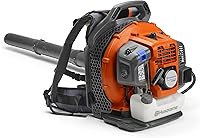
The Husqvarna 350BT is a 50.2 cc, 2.1 hp gas backpack blower. Husqvarna says it delivers 692 cfm at 180 mph with 21 N of blowing force.
It is built to move large volumes of leaves, grass clippings and hedge trimmings.
Note the difference here. The Husqvarna moves air in bulk.
It does not mulch. It helps you gather material fast so a mulcher or shredder has a smaller pile to process.
Corded electric gives steady power with no battery wait. Battery power gives freedom with limited runtime.
Gas gives long runtime with fuel and maintenance. Rule: pick corded for small fixed areas, battery for flexible light work, and gas for large open yards.
Reading runtime, size and included parts before you buy
Runtime changes the plan more than buyers expect. The Greenworks mower lists a 35 minute battery average life for its 4.0 Ah battery.
That limit shapes how much grass you can cut in one charge and how often you stop to swap or recharge.
Size also shapes storage and transport. The BLACK+DECKER combo measures 38 inches long by 9.88 inches wide by 20.75 inches high.
The Husqvarna backpack unit measures 14 inches long by 18 inches wide by 11 inches high. The Greenworks mower measures 50.79 inches deep by 18.9 inches wide by 38.98 inches high.
Those footprints tell you which tool fits a small shed and which needs open floor space.
Included parts tell you whether you can start work on day one. The BLACK+DECKER kit includes one blower vac unit, one concentrator, one blow tube, one vacuum tube and one collection bag.
The Greenworks kit includes the mower, one grass collection bag, one 4.0 Ah battery, one charger and an owners manual. The Husqvarna kit includes the backpack blower itself.
Check that list against tubes and bags you need for mulching, because a blower only kit will not cut or collect mulch without added parts.
Cutting height matters when a mower does the mulching. The Greenworks mower covers a 15.67 inch cutting width with adjustment from 1.25 inches to 3.75 inches across 5 positions.
That range lets you set the deck for longer grass or for a closer finish. It does not turn the mower into a leaf shredder, but it does show how a mower mulch system is tuned for grass height rather than leaf volume.
Rule: compare runtime, stored size and included tubes or bags before you compare top speed.
Bagging, collection and finished mulch size
Bagging decides whether mulching feels easy or messy. A good bag collects as you cut, controls dust and lets you carry mulch to beds or compost.
A poor bag fills too fast and spills.
The BLACK+DECKER combo includes a collection bag for vacuum and mulch mode. That bag lets you vacuum leaves and mulch them in the same pass.
BLACK+DECKER says the impeller grinds up to 10 bags down to one, which shows how much space fine mulch saves.
Our best leaf mulcher with bag guide covers models where bag design matters most. Bag shape, strap comfort and emptying method change how often you stop.
A mower with a mulch mode handles grass differently. The Greenworks 40V mower has a 2-in-1 system for mulching and rear bagging.
It cuts grass and drops clippings back onto the lawn. That approach suits grass, not piles of leaves.
A best leaf mulcher wood chipper option can bag leaf mulch and wood chips in one system. That suits buyers who process both materials in the same season.
Rule: choose a bagged mulcher if you will carry the finished mulch, and choose a mower mulch mode if you want clippings left in place.
Weight, handling and how long you can work
Weight and balance decide whether you will finish the job. A tool that is too heavy or poorly balanced will tire your arms before the pile is gone.
Check weight, harness and grip before you check extra features.
The BLACK+DECKER combo weighs 8.1 lb in hand held form. That weight is manageable for short passes around beds and paths.
Its built-in cord retainer keeps an extension cord connected during use.
The Husqvarna backpack blower weighs 22 lb and uses a harness system. Husqvarna says the ergonomic harness, adjustable offset handle and LowVib technology help control blowing force and reduce vibration.
That design suits long blowing sessions on large properties.
The Greenworks mower weighs 37.5 lb. Greenworks describes it as 35% lighter than steel deck mowers.
It uses push button start and a single lever height adjustment with 5 positions.
Hand held mulchers work best in short bursts. Backpack blowers work for long clearing runs.
Walk behind mowers work at walking speed. Rule: pick the carrying style you can hold or push for the length of your normal yard session.
Corded, battery and gas: which power source fits?
Power source controls range, runtime and upkeep. Each option wins in a different yard.
There is no single best choice for every home.
Corded electric suits small yards near an outlet. The BLACK+DECKER combo is corded and gives steady 12 amp power.
You trade reach for constant output and low upkeep.
Battery power suits flexible work without a cord. The Greenworks mower uses a 40V system with a 4.0 Ah battery.
Greenworks says it cuts up to 1/3 acre on a full charge, depending on grass condition and technique. It also says the battery works with more than 75 Greenworks 40V tools.
Gas power suits large yards and heavy blowing. The Husqvarna 350BT uses a 2-cycle, 50.2 cc X-Torq engine.
Husqvarna says the engine reduces emissions and improves fuel efficiency compared with older designs in its line. It also includes cruise control and tube mounted throttle controls.
Fuel and oil care add steps to gas tools. Battery care means charging and storage.
Cord care means planning routes around beds and driveways. Rule: choose corded for small yards, battery for cord free light yards, and gas for large yards with heavy volume.
Set up, safety and care that keep a mulcher running
Safe setup takes two minutes and prevents most clogs and injuries. Read the manual for your model, because tube order and bag fit differ by design.
Never reach into a cutting chamber with power connected.
Start by checking the bag, tubes and impeller for damage. Make sure the collection bag is seated and the vacuum tube locks in place.
Set the speed low near beds and raise it for matted leaves.
Feed material slowly. Push small amounts through the tube and let the impeller clear before you add more.
Stop the tool to clear a clog. Do not force sticks through a leaf only impeller.
After use, empty the bag and shake out fine dust. Check tubes for stuck wet leaves.
Let the tool cool before storage. For gas models, follow fuel mixing and storage rules from the maker.
If you plan to mulch grass instead of leaves, read how to choose lawn mower and how to choose a good lawn mower. A mower mulch mode can handle grass that would clog a blower vac.
Rule: feed slowly, stop to clear clogs, and clean tubes and bags after every session.
Which leaf mulcher or shredder should you buy?
Buy the tool that matches your debris, yard size and carrying style. Three products in this guide cover three clear paths.
Each path has a firm fit and a clear skip.
Pick the BLACK+DECKER Corded Leaf Blower Leaf Vacuum if you have a small yard, dry leaves and limited storage. It blows, vacuums and mulches in one hand held tool at 8.1 lb.
Skip it if sticks dominate your debris or your yard needs long cord runs.
Pick the Greenworks 40V 16in Push Lawn Mower if your main job is grass. It mulches grass where it falls or bags it at the rear.
It is not a leaf shredder. Skip it if your piles are leaves, sticks and wet yard waste.
Pick the Husqvarna 350BT Gas Leaf Blower if you need to move large piles fast. It is a backpack blower with 692 cfm and an ergonomic harness.
It does not mulch. Pair it with a mulcher or shredder for the second step.
That split keeps you honest about the job. A blower moves.
A mulcher cuts leaves. A shredder cuts tougher debris.
A mower mulches grass. Rule: buy one tool for your main debris first, then add a second tool only for the step that tool cannot do.
Frequently asked questions
What is the difference between a leaf mulcher and a shredder?
A leaf mulcher breaks leaves into small pieces for bagging or compost. A shredder handles tougher material such as small sticks and wet debris.
Many blower vacs combine both jobs, while dedicated shredders focus on cutting power.
Can a leaf mulcher handle wet leaves and sticks?
Wet leaves slow most mulchers and can clog the impeller. Sticks need a shredder with a stronger cutting system.
Check debris compatibility before you buy, and feed wet material in small amounts.
Do I need a bag with my leaf mulcher or shredder?
A bag makes a mulcher far easier to use because you collect the cut pieces as you work. Without a bag, you must rake the mulch afterward.
Match bag size to your pile so you empty it before it fills.
Is a corded blower vac enough for mulching?
A corded combo can suit small yards where you can reach every area with an extension cord. It gives steady power and converts between blowing, vacuuming and mulching.
Larger yards may need a cordless or gas approach.